dailynewsnblog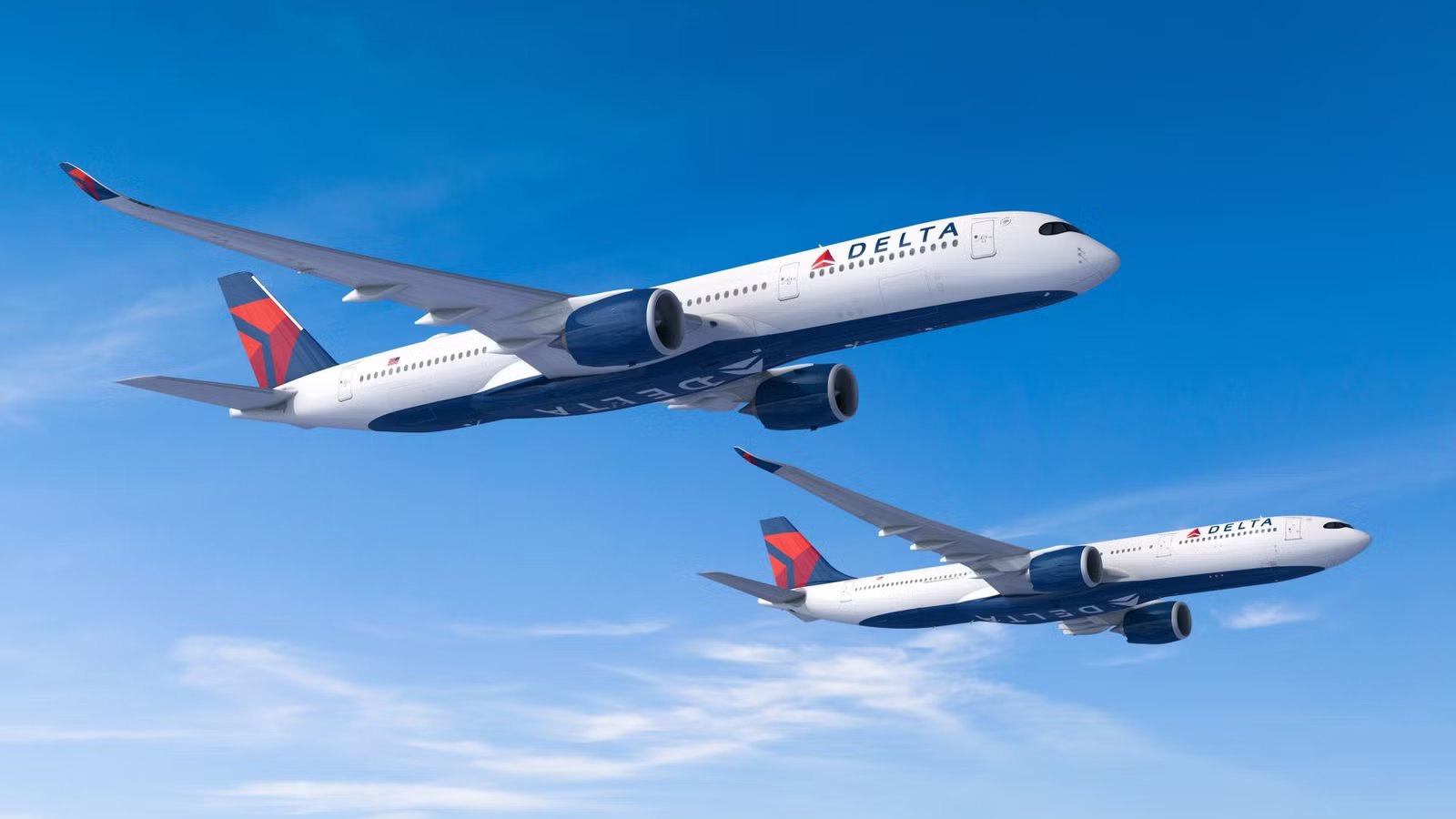
 Delta Air Lines is continuing its steady growth and fleet renewal, especially expanding its widebody inventory to increase the international and long-haul fleet. Earlier this month, the airline finalized its first order for the Boeing 787 Dreamliner, now it’s adding 31 next-generation Airbus widebody jets to its young fleet of A330neos and A350s.
The new order will increase the total number of A330neo, or A330-900, jets to 55 aircraft on the Delta flight line. Meanwhile, the A350 fleet wearing Delta livery will climb to 79 airliners in total. The first arrivals of the latest batch are expected to touchdown at Delta hubs in early 2027.
The Latest And Greatest At Delta Air Lines

In the years since Delta Airlines has retired its entire fleet of Boeing 747 jumbo jets and 777 widebody airliners, it has exclusively chosen to procure its new long-distance jetliners from Airbus instead of the American planemaker. In addition to dramatically improving the company’s bottom line by a 20% to 25% fuel savings, these aircraft have a host of improvements that make the flying experience better for every customer, regardless of cabin class.
In the company’s press release following the most recent order, it outlines that the incoming planes will feature premium cabins that are larger with state-of-the-art features and amenities. Delta One Suites, Delta Premium Select, Delta Comfort, and Delta Main will all see improvements over the current aircraft in service. Among the plan features are Delta Sync seatback in-flight entertainment (IFE) with free, fast in-flight Delta Sync Wi-Fi, as well as premium food and beverage options.
Delta Airlines has been increasing its presence overseas, especially in Asia and the Middle Eastern market, with expanded service in Europe as well, following the end of the COVID-19 pandemic’s air travel restrictions. Chief Executive Officer Ed Bastian said:
“As we grow our international footprint and prepare our fleet to serve expanded long-haul markets, these aircraft will enhance our capabilities and elevate our premium offerings… [With] these widebody aircraft, we will see long-term growth and cost benefits for years to come.”
The Appeal Of Airbus Airliners

Streamlining into an Airbus-heavy fleet has saved the airline millions annually by reducing the need for separate training and inspection regimes required for mixed fleets. Delta’s shift gained momentum after persistent production delays and quality concerns with Boeing programs, notably 787s and the still uncertified 777X next-gen widebody twinjet intended to replace the 747 and 777.
While they have recently balanced their order book with some Boeing jets, Delta famously cancelled inherited orders for Boeing 787-8s in 2016, a deal originally placed by Northwest Airlines before the 2008 merger. This was not a move away from Airbus, but a specific replacement for their aging Boeing 767 fleet to maintain a competitive balance and capitalize on the 787-10.
Delta finds Airbus interiors more suitable for its premium cabin strategy, allowing for a more consistent rollout of high-value products like Delta One suites and Premium Select. Modern Airbus widebodies offer quieter cabins, better air quality, and customizable lighting that help reduce passenger fatigue on ultra-long-haul routes.

Why Delta Air Lines Chose The Airbus A350 Over The Boeing 787
A surprising twist in Delta’s fleet strategy: will they diverge from their all-Airbus path?
Smooth Flying On High-Tech Wings

Adding to its growing fleet of Airbus next-gen widebody aircraft will be 30 new Boeing 787-10 Dreamliner jets. The longest stretch model of the 787 series, these planes are planned to modernize and grow the transatlantic service as well as the South American network for Delta Air Lines. As the best-selling widebody in history, the 787 spurred the development of the A350, but with a smaller capacity, the Dreamliner is prized for its versatility and flexible deployment suitable for a wide range of missions.
The Dreamliner will be a valuable platform in filling the void left behind by the Boeing 767, which the airline is phasing out within the decade. Its combined efficiency, range, and modern passenger comfort features are very similar to the next-gen Airbus widebodies that debuted later than the 787 and which Delta has already acquired in large numbers. The combination of the ‘best of both worlds’ will afford Delta flyers an excellent experience no matter where they are traveling within the airline’s international network.