dailynewsnblog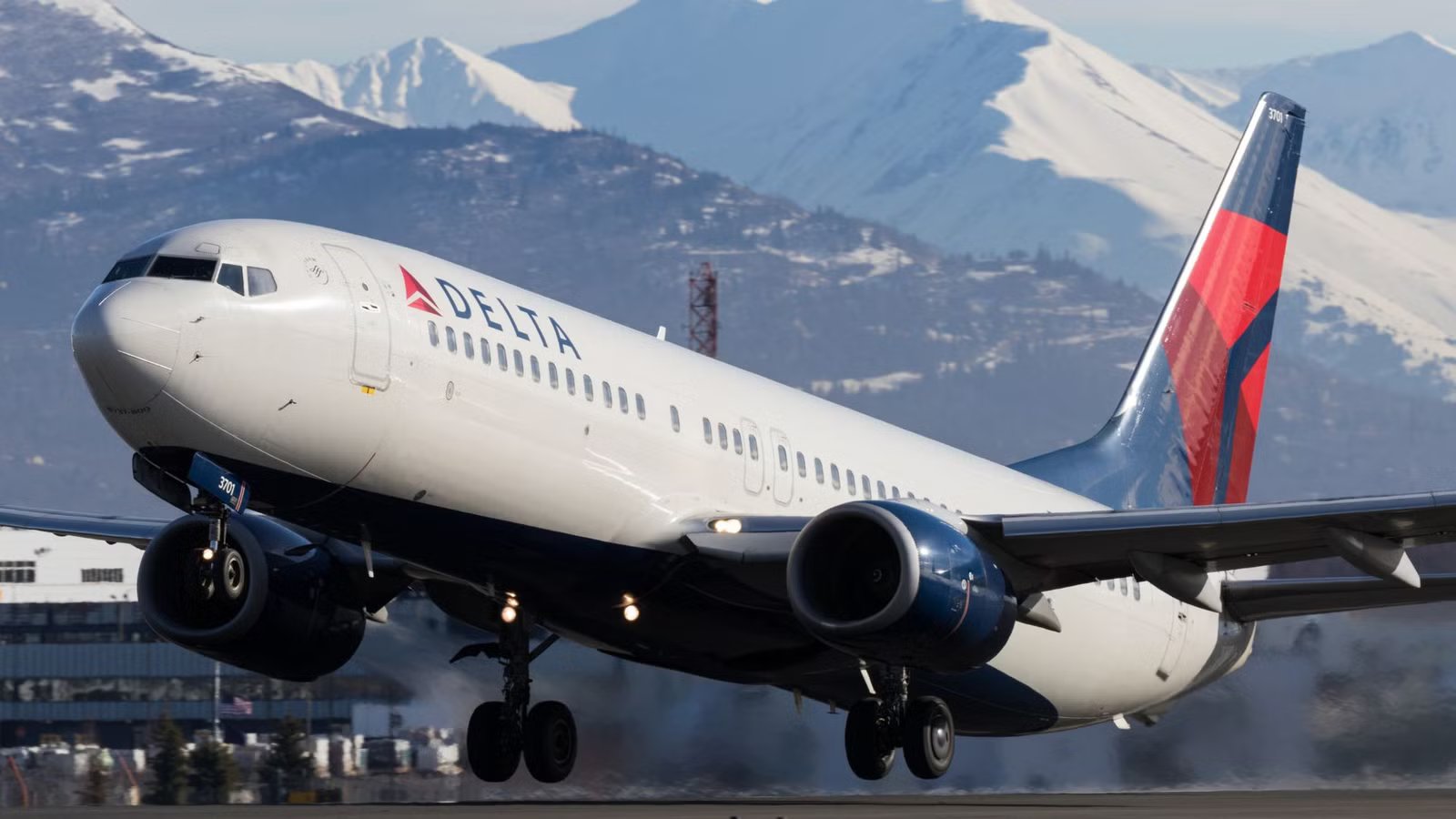
Delta Air Lines has confirmed it will cancel its seasonal  Los Angeles International Airport (LAX) to Anchorage International Airport (ANC) route, citing high oil prices and cost pressures, reports Ishrion Aviation. The decision means the summer service will not return as previously expected, marking a notable shift in the airline’s Alaska strategy. The route connected Southern California with Alaska’s largest city during peak travel months. The cancellation reflects broader challenges airlines face as fuel costs continue to impact network planning.
The move comes amid heightened competition in Alaska, particularly between Delta and Alaska Airlines. While Delta has recently expanded in the region, this latest decision highlights a more cautious and cost-conscious approach. Fuel prices remain one of the largest expenses for airlines, often determining whether seasonal routes are viable. This article outlines the key details behind the cancellation and what it means for passengers and the wider market.
Delta Cancels LAX–Anchorage Route As Fuel Costs Surge

 Delta Airlines’ Los Angeles to Anchorage route was supposed to return for summer seasonal service from May 22 to September 9. However, rising fuel costs have made the route less economically sustainable, particularly given the long stage length and fluctuating demand. Cirium data shows the route operated in 2025 from May through September, on Airbus A321neo and Boeing 737-900 airframes. The service offered around 50–60 flights per month in June, July, and August, offering in excess of 20 million ASMs across those months. By canceling the service, Delta is prioritizing more profitable routes within its network. The decision also allows the airline to redeploy aircraft to markets with stronger margins.
For travelers, the cancellation reduces nonstop options between Southern California and Alaska, potentially leading to higher fares or longer travel times via connecting flights. Competitors, including Alaska Airlines, may absorb some of the displaced demand. The move also underscores how quickly airlines can adjust seasonal offerings based on economic conditions. In the short term, passengers planning summer trips will need to explore alternative itineraries.
Simple Flying has reached out to Delta Air Lines for comment.
Seasonal Alaska Service Cut Reflects Wider Industry Retrenchment

Delta’s decision highlights the delicate balance airlines must strike between expansion and profitability. While the carrier has been growing its presence in Alaska, particularly through its Seattle hub, not all routes deliver consistent returns. Seasonal leisure routes are especially vulnerable to cost fluctuations, including fuel and operational expenses. This cancellation suggests a more selective approach moving forward.
Alaska Airlines, which dominates many Alaska routes, could benefit from Delta’s withdrawal on this corridor. Its established network and brand loyalty give it an advantage in capturing passengers affected by the change. Meanwhile, other carriers may evaluate whether there is an opportunity to enter the market or expand capacity. The competitive landscape remains dynamic despite this pullback.
Historically, routes between the US West Coast and Alaska have been highly seasonal, with demand peaking during summer tourism months. Airlines often adjust capacity year-to-year based on economic conditions and booking trends. Rising oil prices, however, add a layer of unpredictability that can quickly alter these plans. Delta’s decision reflects this broader industry reality.

Delta Air Lines’ Latest Route Is Just Another Jab At Alaska
Several years after ending their partnership, the rivalry between the two carriers is still strong.
Iran Conflict Drives Oil Price Spike, Pressuring Airline Networks

Fuel prices have surged globally in recent weeks, driven largely by the ongoing Iran conflict and disruptions to key oil supply routes. The Strait of Hormuz, a critical chokepoint for global energy shipments, has seen instability that pushed oil above $110 per barrel. This sharp rise has significantly increased operating costs for airlines, forcing carriers like Delta to reassess the viability of certain routes. As a result, marginal and seasonal services, such as Los Angeles to Anchorage, are often the first to be cut.
The aviation industry is particularly sensitive to geopolitical shocks, with fuel representing one of the largest expenses for airlines. The Iran conflict has already triggered airfare increases and operational adjustments worldwide, as carriers attempt to offset higher costs. In some cases, airlines are reducing capacity or eliminating less profitable routes. If the conflict continues and oil prices remain elevated, further network cuts and pricing pressures are likely across the industry.
While Delta’s route cancellation may appear isolated, it reflects a broader ripple effect from the Iran conflict across global aviation. Rising fuel costs, supply uncertainty, and geopolitical risk are reshaping airline strategies in real time. Until energy markets stabilize, airlines will continue prioritizing profitability over expansion, especially on long-haul leisure routes.