dailynewsnblog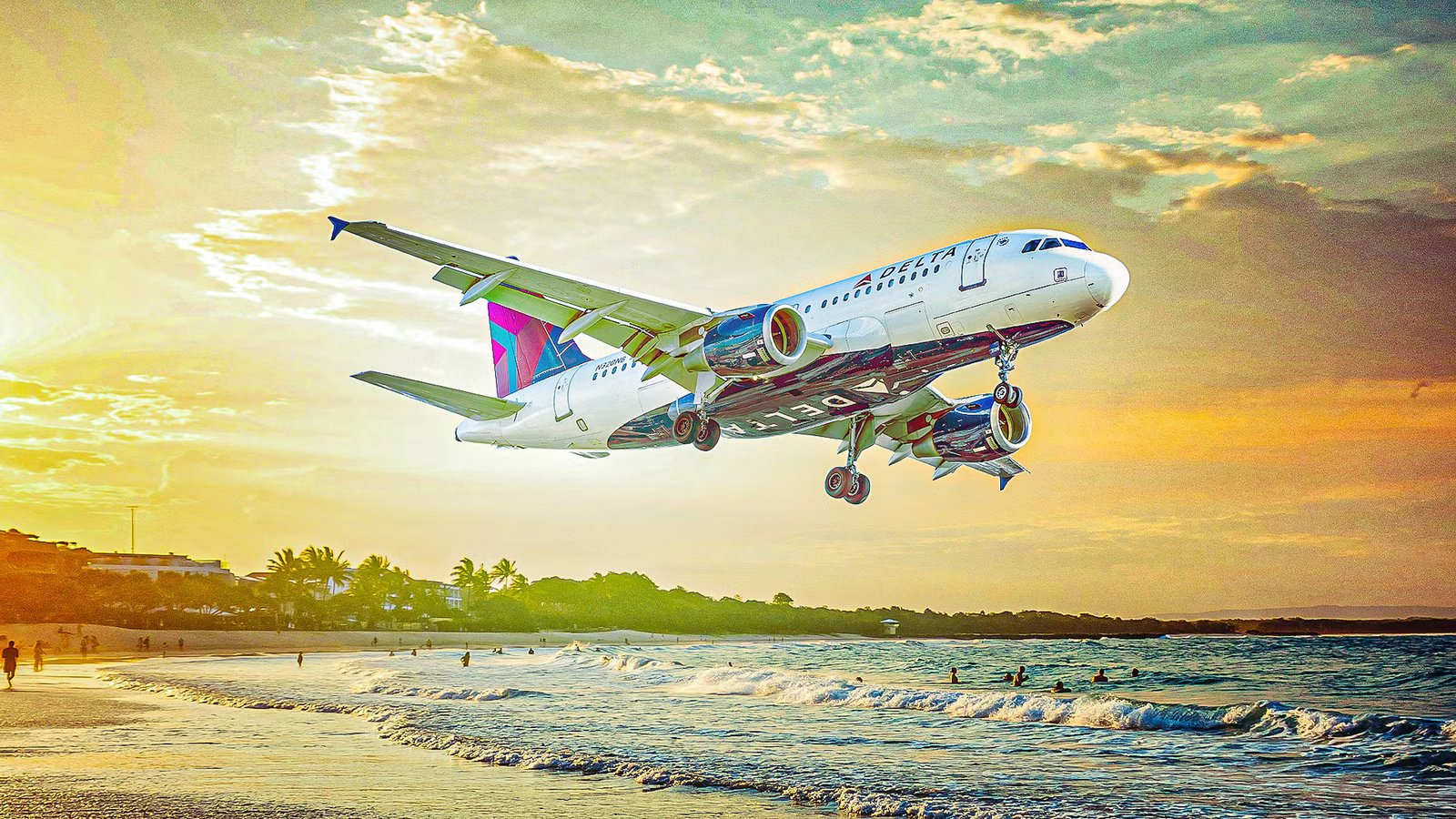
 Delta Air Lines is making another play to widen its lead at
  Los Angeles International Airport (LAX), this time by leaning harder into one of the biggest winter sun markets in the country: Florida. The airline says that it will introduce new service to Palm Beach International Airport (PBI), while boosting Tampa International Airport (TPA) to three daily year-round flights, and raising
  Orlando International Airport (MCO) to five daily flights.
But this latest expansion isn’t happening in isolation. Delta has spent the last year adding significantly more network depth at LAX, all while continuing to build out the premium infrastructure that underpins its Los Angeles strategy. At the same time,  United Airlines is clearly signaling that it does not intend to leave LAX to Delta uncontested, making Southern California one of the most interesting battlegrounds in the US airline industry right now.
Florida Gets The Next Big Push

Delta’s latest expansion is centered squarely on Florida, where it sees room for more point-to-point demand from Los Angeles during the winter peak. The headline addition is a brand-new nonstop to Palm Beach International Airport beginning November 20, 2026. On the same date, Delta will also raise Orlando to five daily flights, while Tampa will move to a year-round three-daily pattern from November 9.
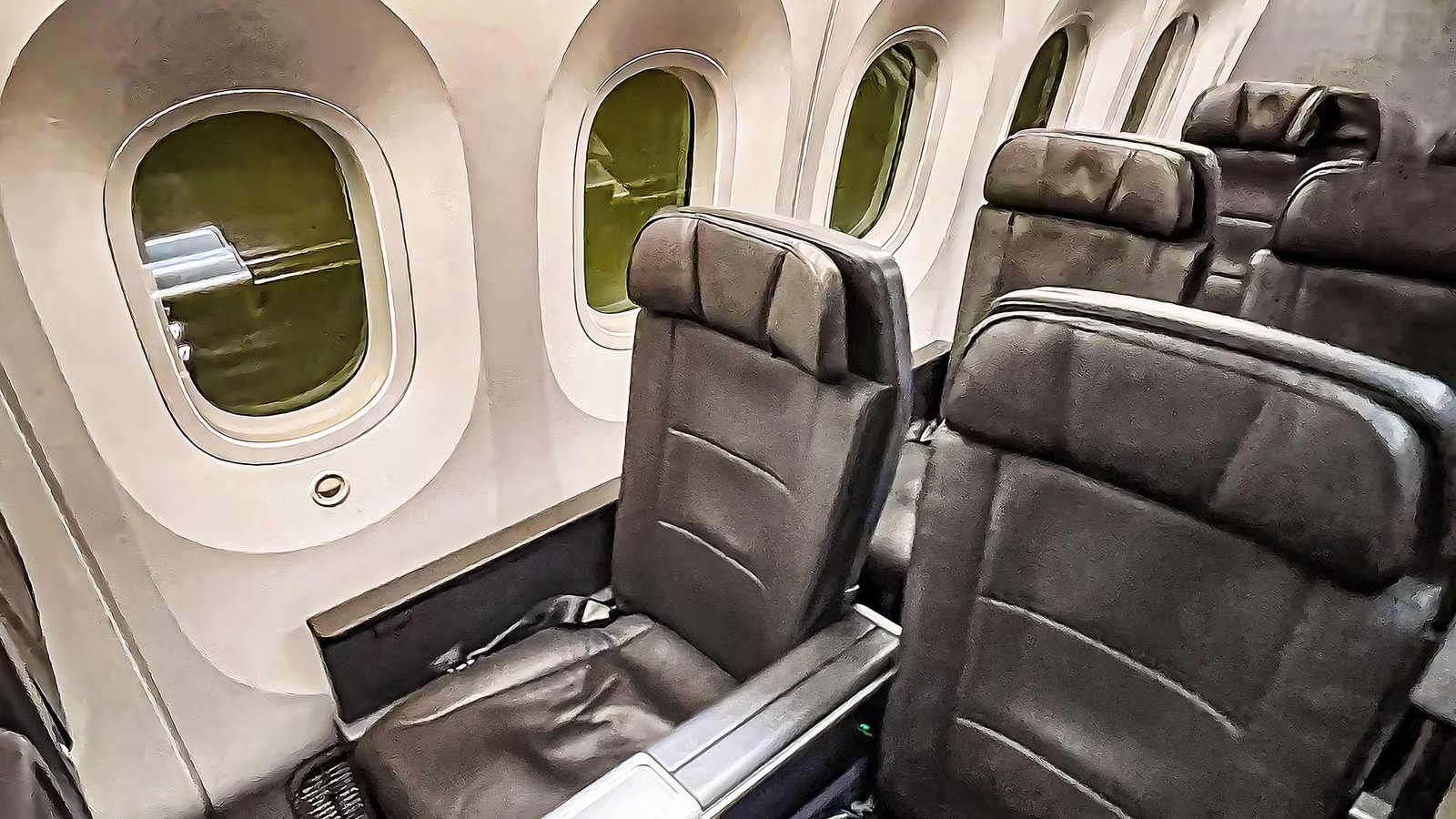
All flights will be operated by Delta’s 194-seat Airbus A321neos, which feature 20 domestic Delta First seats, 42 Delta Comfort seats and 132 Delta Main seats.
|
Route |
Status |
Launch / Increase Date |
Frequency |
Competitors On Route |
|---|---|---|---|---|
|
Tampa |
Expanded |
November 9 |
3 daily |
Southwest, United |
|
Orlando |
Expanded |
November 20 |
5 daily |
American, Frontier, Southwest, United |
|
Palm Beach |
New route |
November 20 |
1 daily |
JetBlue |
That is a notable capacity statement from the airline, because Florida is one of the most fought-over leisure geographies in the US. Delta is not merely adding a token seasonal flight or two. The airline already flies twice-daily to  Miami International Airport (MIA) and daily to
  Fort Lauderdale-Hollywood International Airport (FLL) from LAX, so the addition of Palm Beach will cement its position as the largest carrier from Southern California to South Florida.
Overall, this will give Delta 12 daily departures and over 2,300 peak-day seats to Florida in what the airline says is its largest-ever LAX-Florida schedule. The airline used the announcement to underline its broader LAX strategy, with Amy Martin, Delta’s vice president of network planning, saying:
“Los Angeles is one of our most important global gateways, and these additions give our customers more choice and flexibility across the network. With expanded Florida service and other new routes coming this summer, we’re continuing to build a network at LAX that reflects Delta’s momentum in the region.”
Building On A Broader LAX Expansion

This Florida growth has been announced shortly before Delta is set to start its new thrice-daily route to  Chicago O’Hare International Airport (ORD) in June. This is a strategically important domestic addition, as the airline said that adding ORD would take it to all of the ten largest LAX demand cities.
Just as important is the international side of the story. Over the past year, Delta has resumed long-haul service to Shanghai (PVG), as well as launched a new thrice-weekly route to Melbourne Airport (MEL), which it plans to expand to daily service by the end of the year.
Also coming this summer will be a new route to  Hong Kong International Airport (HKG) with a westward block time of nearly 16 hours. Delta will become the
  SkyTeam representative on the route, which is already served by United and Cathay Pacific.
|
Route |
Distance |
Frequency |
Launch Date |
Competing Nonstop Carriers |
|---|---|---|---|---|
|
Shanghai |
6,485 miles |
5 weekly from October |
June 2025 |
China Eastern, United |
|
Melbourne |
7,927 miles |
Daily from December |
December 2025 |
Qantas, United |
|
Hong Kong |
7,260 miles |
Daily |
June 2026 |
Cathay Pacific, United |
The combination of these new routes provides domestic breadth and long-haul prestige, which is exactly what Delta wants in Los Angeles. The carrier is currently the largest airline at LAX, offering 166 peak-day departures to 61 destinations, including service to service across all top ten demand cities. It is also pairing this network growth with premium facilities, including its 27-gate Delta Sky Way complex and the nearly 200-seat Delta One Lounge at Terminal Three.

14+ Hours Nonstop: Delta Air Lines Reveals Historic New Long-Haul Route
Delta’s bold move to launch a daily nonstop service on this route raises eyebrows. Does it make sense?
The Most Interesting Hub Fight In America?

That is what makes Los Angeles so fascinating right now. According to Los Angeles World Airports’ full-year 2025 carrier statistics, Delta was LAX’s largest airline with 13.92 million passengers and a 19% market share, while United ranked second with 11.87 million passengers and a 16% share. Those numbers underline how unusual LAX is: this is not a fortress hub dominated by one legacy airline, but a major airport where two of the country’s biggest network carriers are both serious contenders.
United, for its part, is clearly not backing away. The airline has continued to add flying from Los Angeles, including new service to Columbus, Pittsburgh, Kansas City, and Portland, Maine for 2026, while also maintaining a premium footprint through its Polaris Lounge and United Club presence.
At its Elevate event earlier this month, United made plain that it sees LAX as one of the places where it still wants to climb higher. In one of the slides presented, the carrier showed a map indicating that it is the number one airline at six of its seven hub airports. The odd one out? Los Angeles. To which Patrick Quayle, United’s SVP of global networking and alliances said:
“We’re putting Delta on notice. Starting today, we will be #1 there as well.”
That is why Delta’s Florida expansion matters beyond the routes themselves. It is another move in what is becoming one of the clearest premium-network rivalries in the US market, and the only airport where Delta and United compete head-to-head in an evenly matched contest.
Delta is leaning on frequency, long-haul additions, and major terminal investment to protect and extend its lead. United is answering with fresh domestic growth and a clear message that second place at LAX is not where it wants to stay. For travelers, that likely means more flights, better lounges, and a fiercer battle for relevance at one of America’s most important hubs.