dailynewsnblog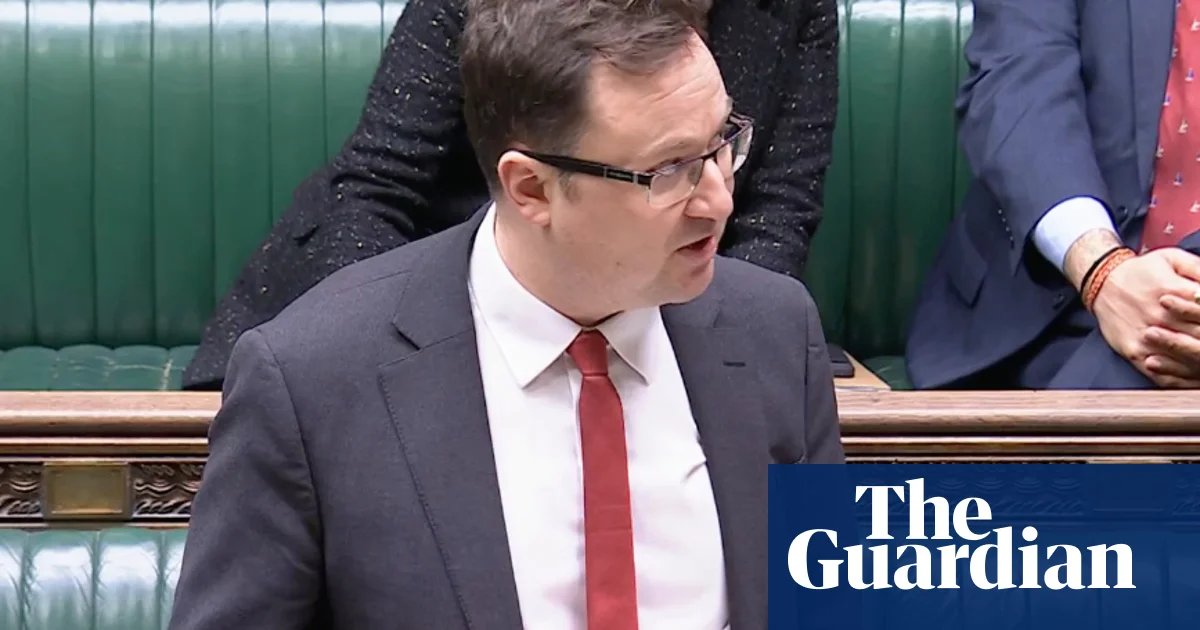
The first government rescue flight from the Middle East failed to take off because of problems “getting passengers on board”, a minister has said.
Technical issues meant the flight did not depart on Wednesday night from the Omani capital Muscat.
Home Office minister Alex Norris said the government-chartered plane would now leave Muscat for the UK on Thursday, but was unable to say at what time.
Norris told LBC: “It didn’t take off because there are operational reasons … about getting passengers on board, and it wasn’t able to happen in the time that it had to happen. So that’s now going to go today instead.”
A total of 138,000 people from the UK have registered for assistance, the government said, with the majority, 112,000 of those, in the UAE. About 1,000 have already returned on commercial flights, Keir Starmer said.
Two more chartered flights are expected to depart from the region this week to return stranded British nationals.
Most of the Middle East has found itself drawn into war after the US and Israel attacked Iran a week ago. An intense campaign of strikes from the two powers and retaliatory missiles from Iran aimed at US infrastructure in the Middle East has brought the majority of the region into the conflict.
This includes the likes of Dubai, the world’s biggest hub for air passenger traffic and a popular holiday destination for Brits seeking cheap luxury.
The UAE state was hit with Iranian retaliatory missiles over the weekend, damaging high-end hotels Fairmont the Palm and the Burj Al Arab, as well as the international airport.
Alongside holidaymakers and those living in the Gulf, many people from the UK have found themselves stuck in unfamiliar countries during what was supposed to be a short layover in the Middle East on the way to Asia.
One of those is Faye Morton, from Horsforth in Leeds, who had been travelling to Seoul, South Korea, to meet a friend when she became trapped in Qatar.
Speaking on the Rima Ahmed breakfast show on BBC Radio Leeds, she said she was “struggling, I’m not going to lie”.
“I spend most of my days crying, just shaking. I can’t eat, can’t sleep. I just really want out of here to see my family.”
Qatar has suspended most of its natural gas production after Iranian drones struck two energy facilities. The small gulf nation, which historically had a good relationship with both the US and Iran, also shot down two Iranian fighter jets, it said in a statement on Monday.
Morton told Ahmed: “I’ve been waking up most nights to the sound of missiles, and they’ve been shaking the hotel a bit, which is utterly terrifying.”
Morton said the Qatari government was advising people to shelter in place, so she had not left the hotel since arriving. She felt “completely left in the lurch” by the UK government, particularly as a woman alone in a country with restrictive rules on women’s rights and freedoms.
She called on the prime minister to “communicate with us directly in Qatar, and give us some sort of clear pathway home, or just some sort of hope that there’s going to be some movement, because we’ve had nothing so far.”
“We’re nowhere near Oman … so we just need some view that there is a way out, because right now it doesn’t feel that way.”
Many of the stranded Brits were living and working in the UAE, leading to criticism that UK taxpayers should not be footing the bill to bring home tax exiles who were not contributing to the domestic economy and in many cases had moved there specifically to avoid paying tax.
In parliament on Monday, the Liberal Democrat leader, Ed Davey, said “we shouldn’t let them get away with it anymore”.
“Since we rightly expect our armed forces to protect British citizens around the world in a crisis, it’s only right that tax exiles start paying taxes to fund the armed forces like the rest of us.”