dailynewsnblog

(Bloomberg) — One of crypto’s favorite 24/7 trading venues has become an unlikely hotspot for commodities and traditional asset classes this weekend, as traders scramble for round-the-clock hedges amid escalating tensions between the US, Israel and Iran.
Perpetual swap futures, a type of futures contract that does not expire, tied to oil jumped about 5% to $70.6 per barrel on crypto-exchange Hyperliquid, while those for gold and silver rose roughly 1.3% and 2% to $5,323 and $94.9 per troy ounce, respectively. The moves may offer some indication of how those markets could respond once mainstream trading resumes on Monday.
Most Read from Bloomberg
Meanwhile, Bitcoin reversed earlier losses to rise as much as 2.3% to around $67,000 in afternoon trading in New York. Ether gained 2.4% at one point to $1,968.
Silver led activity among perps for commodities on Hyperliquid, with more than $227 million in trading volume over the past 24 hours. Gold contracts saw about $173 million change hands. US equity-linked indexes on the platform fell between 0.4% and 0.75%.
Perps are crypto-native derivatives that mimic futures but never expire, allowing traders to hold leveraged positions round the clock – ideal for expressing macro views without clearinghouse delays. That latest offering by crypto trading venues such as Hyperliquid to trade perps for commodities and other asset classes beyond crypto has become extremely popular with this weekend becoming the latest example.
“As Middle East tensions escalated, crypto sold off and because Bitcoin trades 24/7, it became the most liquid asset available for traders looking to hedge or express a view on the move,” said Jake Ostrovskis, head of over-the-counter trading at Wintermute. “The fact that BTC is acting as a proxy for broader risk being the only market open is exactly why more asset classes, commodities included and need to move to 24/7 trading.”
“Round-the-clock price discovery is a structural upgrade for market efficiency, and we’re heading in the right direction,” he added.
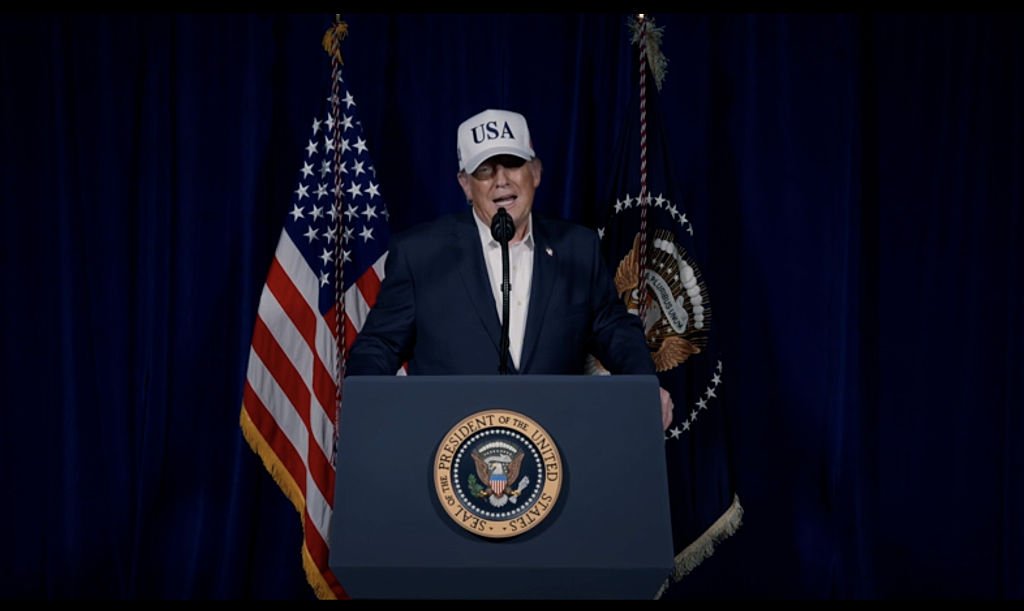
The US and Israel have struck targets across Iran, which has responded with missile attacks on sites in Israel, Qatar, the United Arab Emirates and Bahrain, and threatened further strikes against bases in Iraq linked to US forces. President Donald Trump urged Iranians to overthrow their government, deepening fears of a broader regional conflict.