dailynewsnblog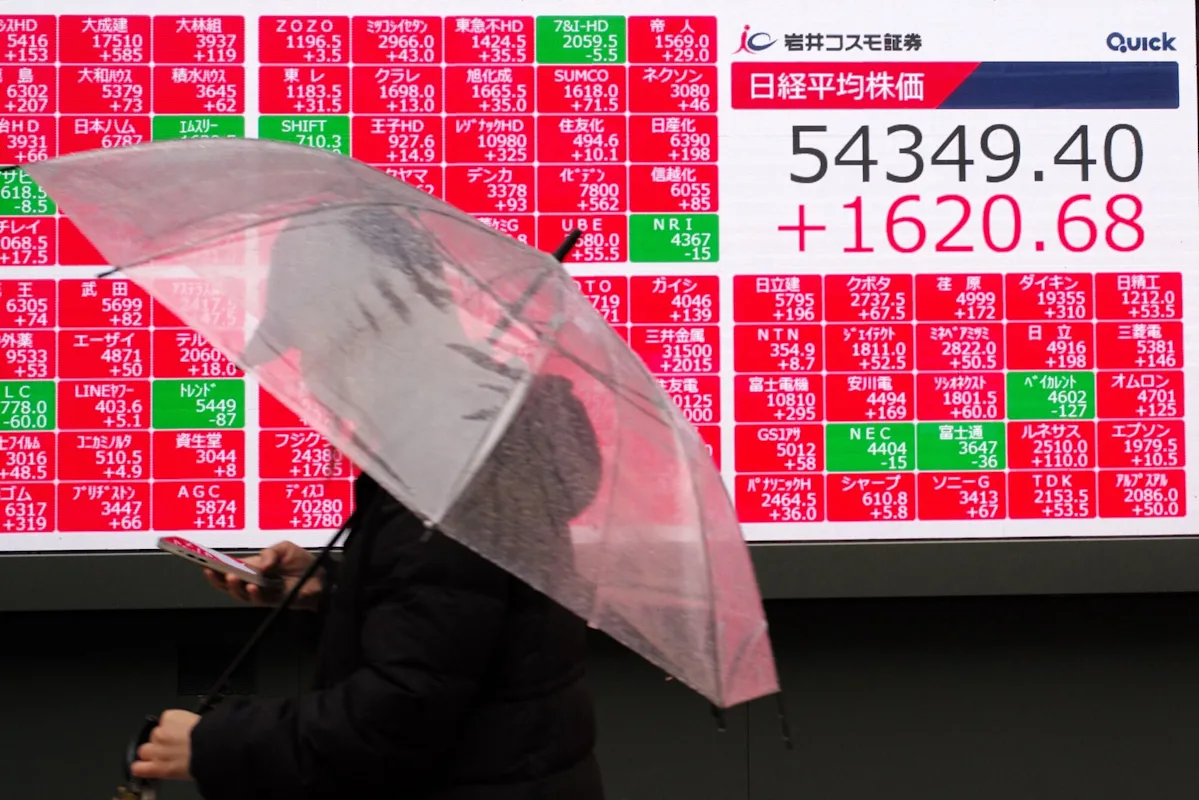

(Bloomberg) — The cost of credit protection fell by the most in over eight months in Asia, after President Donald Trump signaled the Iran war may be nearing an end.
Credit default swaps on the region’s investment-grade debt fell four basis points Tuesday, according to traders. The move marks the biggest decline since late June, according to a Markit iTraxx index.
Most Read from Bloomberg

The drop followed a rally in US credit markets after Trump said the war would resolve “very soon,” remarks that have triggered a rebound in global stocks and risk sentiment in general. Asian CDS had jumped more than seven basis points in the previous two sessions, as surging oil prices and concerns about a prolonged conflict in the Middle East stoked fears of slowing economic growth and resurgent inflation.
“Trump’s ‘war could be over soon’ comment raised hopes for a quick end to fighting in the Middle East and gave risk assets a considerable boost,” said Mark Reade, head of credit strategy at Mizuho Securities Asia. “However, we suspect the volatility in rates and credit will continue until the missiles stop and oil transit re-starts.”
The primary bond market also showed tentative signs of picking up after US and European borrowers stayed on the sidelines Monday, stung by volatility.
Tata Group’s Jaguar Land Rover is holding meetings Tuesday with investors on a potential dollar bond sale. A Chinese local government financing entity Science City Guangzhou Investment Group is marketing a two-year sustainable note in the US currency.
Read also: Iran War, AI and Private Credit Shocks Press on Market Weakness
Broadly, solid fundamentals among corporate bond issuers limited some of the selling by traders since the Middle East conflict started.
Fitch Ratings said in a note this week that it expects cash generation across a portfolio of about 1,500 non-financial global corporates to improve in 2026, even though the impact from the Iran war is unclear. The ratings firm forecasts cash flow from operations at the companies to increase 6% to $3.3 trillion, it said.
“We remain constructive on the resilience of Asia and EM credit, with Asia in particular standing out as a relative safe haven within emerging markets,” said Sheldon Chan, a portfolio manager for Asian and Emerging market credit at T. Rowe Price Group.