dailynewsnblog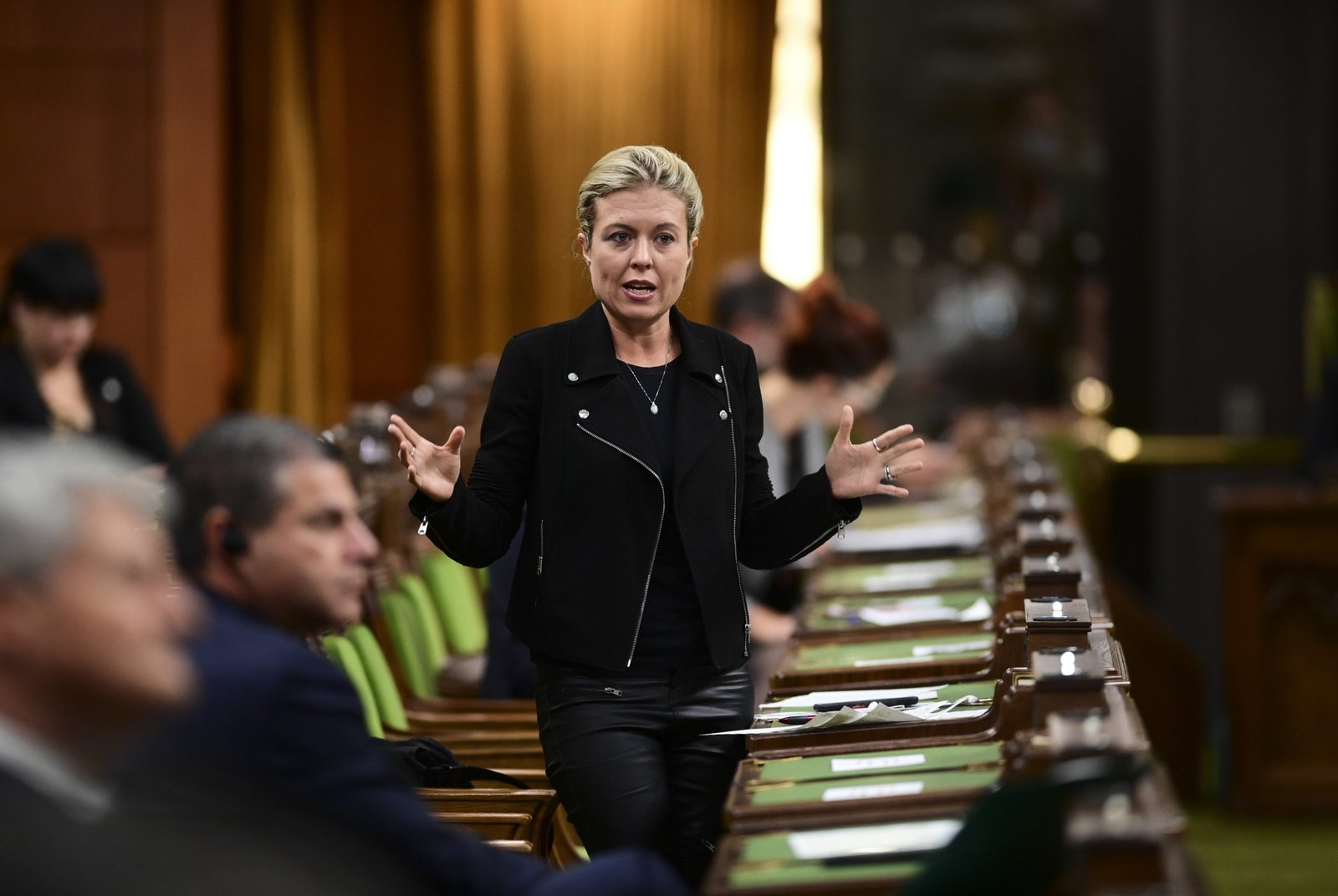
Opposition party calls on the government to restrict federal benefits received by rejected asylum claimants to emergency life saving health care only.
The Conservative Party introduced a motion in Parliament Tuesday proposing to restrict temporary healthcare coverage for asylum claimants.
This comes after a report published by the Parliamentary Budget Office (PBO) highlighted cost pressures associated with asylum claim volumes, detailing that between 2020 to 2025, the cost of the temporary health care program (IFHP) saw a 325 per cent increase, from $211 million to $896 million.
That program provides limited and temporary coverage for urgent and essential health care services, like prescription drug benefits, to government-sponsored refugees and asylum seekers.
Conservative MP Michelle Rempel Garner argued “two-tiered Liberal policies” favour non-citizens over Canadians and called on the federal government to “make the system fair,” at a press conference on Tuesday.
“The law is clear, Canada must deport non-citizens convicted of serious crimes, but the Liberals have allowed judges to sidestep the intent of that law, handing down lighter sentences precisely to help non-citizens avoid deportation,” Rempel Garner said.
Conservatives say they will review the benefits provided to asylum claimants to find savings. As for asylum seekers appealing a rejected claim, the party says they should only be covered for emergency, life-saving care.
In a statement, NDP Party Leader Jenny Kwan said the Conservative’s motion is “counterproductive.” She said it won’t eliminate cost, instead it shifts the burden to hospital emergency rooms and provincial systems that have more expensive treatment costs.
“Emergency-only models create worse health outcomes and higher long-term costs,” NDP MP Jenny Kwan said.
Co-payment provision not enough, say tories
The federal government recently introduced a co-payment provision to IFHP that includes $4 for each eligible prescription medication and 30 per cent of the cost of other eligible supplemental health products and services, like dental care, vision care, counselling and assistive devices. It is set to take effect in May.
Kwan said a co-payment model ignores “decades” of health policy evidence that demonstrates user fees could deter access to essential care for low-income and medically vulnerable populations.
“The refugees and refugee claimants covered by IFHP often arrive in Canada after surviving war, persecution, torture, and prolonged displacement,” Kwan said. “They have extremely limited financial means”
While not reflected in the PBO report, Immigration Canada estimated changes to IFHP will generate significant savings. They projected the co-payment model will generate approximately $126.8 million in savings this year, and about $232 million the year after.
“We want to still protect those refugees and those people that are claiming the help and need from Canada that legitimately deserve to be protected, including the children,” Immigration Minister Lena Diab said Tuesday in response to the motion.