dailynewsnblog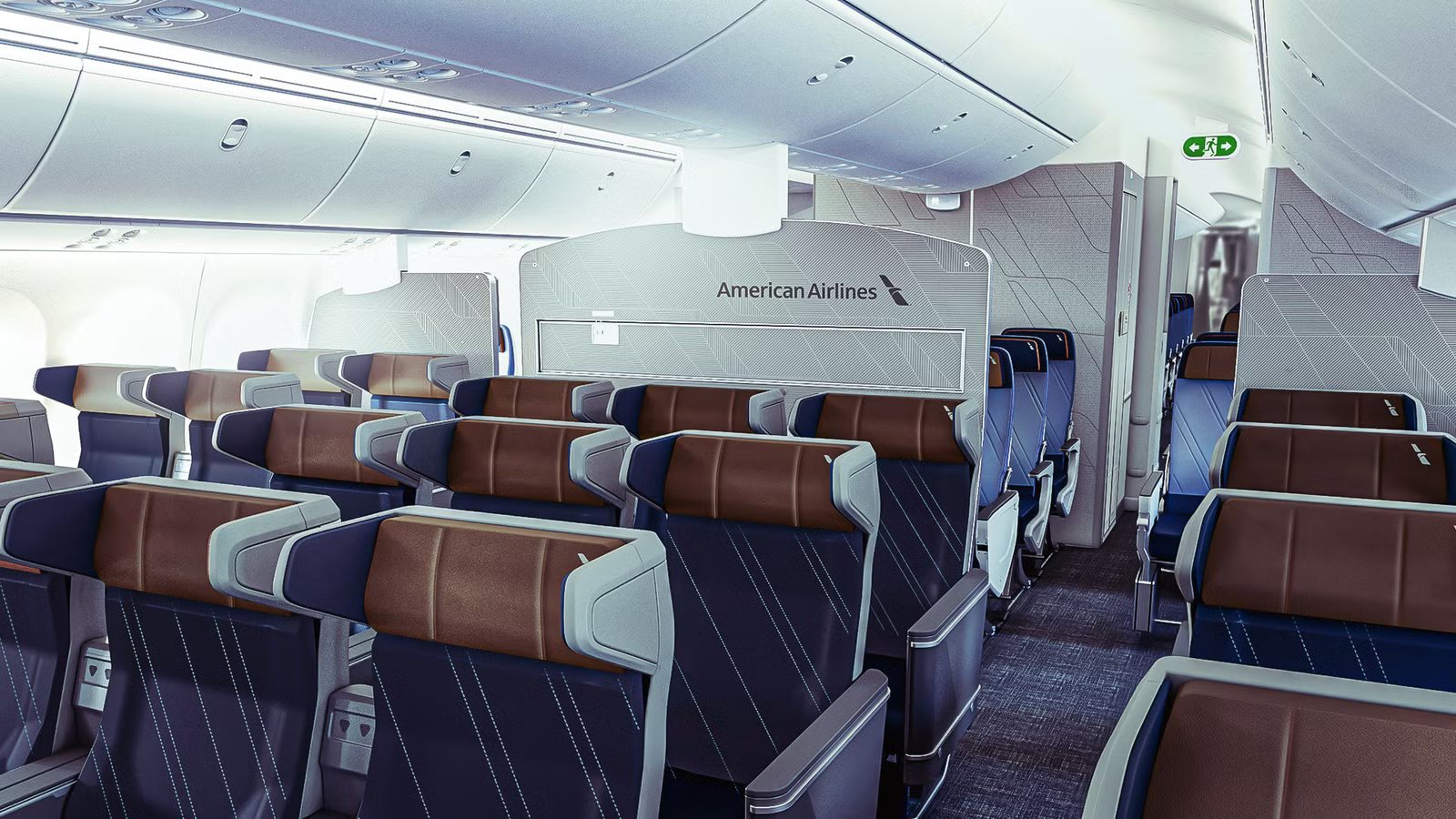
Comedian Jim Breuer has publicly criticized  American Airlines after he says he was removed from his paid first class seat to accommodate a commuting pilot. The incident occurred on a recent flight from Honolulu to Phoenix, according to Breuer’s social media account and View From The Wing report. Breuer claims he purchased a first class ticket but was reassigned to an economy seat shortly before departure. The comedian described the experience as unfair and labeled the move “theft.”
The story gained traction after Breuer posted a Facebook video detailing the situation, quickly drawing thousands of reactions. Aviation blog View From The Wing later published additional details about the incident, including the airline’s apparent need to reposition a pilot for operational reasons. While airlines regularly deadhead crew members in passenger cabins, the reassignment of a paying premium passenger has sparked debate. The controversy highlights the complex balance between airline operations and customer expectations.
How A Paid First Class Seat Was Reassigned

According to Breuer, he had purchased first class tickets for himself and his family on their flight from Hawaii, expecting the larger seat and added comfort for the long journey. However, before departure, he says airline staff informed him that a pilot required the seat and that he would be moved to row 18 in the main cabin. Breuer said he was not given an equivalent first class alternative and felt blindsided by the decision. The comedian recorded his reaction and shared it publicly shortly afterward.
Airlines frequently move pilots and flight attendants between destinations to position them for future assignments, a process known as “deadheading.” In many cases, labor agreements require that pilots be accommodated in premium cabins if available. If first class is full, airlines may have to reassign passengers, particularly if operational necessity dictates that the crew member must travel on that specific flight. While this practice is not unusual within the industry, it can create frustration when paying passengers are involuntarily downgraded.
Breuer described his negative experience as follows:
“This is foul because the way I see it, you (American Airlines) stole from me. You stole my ticket. You stole my money.”
When Crew Positioning Collides With Premium Passenger Expectations

For Airlines like American Airlines, repositioning pilots is often critical to maintaining flight schedules. If a pilot fails to reach their assigned aircraft at another airport, entire rotations can be disrupted, potentially affecting hundreds of passengers. Crew scheduling departments must constantly balance operational requirements, contractual obligations, and customer service considerations. In some cases, ensuring a pilot reaches their destination on time may prevent far greater delays.
Deadheading in premium cabins is frequently governed by union contracts. Major US carriers, including American, typically guarantee certain rest standards and seating accommodations for flight crews traveling as passengers. On longer sectors, such as transpacific or Hawaii–mainland routes, premium cabin seating is often part of those agreements. Although airlines usually avoid displacing full-fare passengers, irregular operations or last-minute crew changes may leave few alternatives, as what apparently happened to Jim.
From a passenger perspective, involuntary downgrades are especially sensitive in premium cabins where fares can be significantly higher. Department of Transportation rules require compensation in certain denied boarding situations, but cabin downgrades are often handled through fare differences or goodwill gestures. The exact compensation Breuer was offered was not enough – just a $500 voucher for a ticket that cost much more. His frustration is understandable and underscores how premium cabin customers perceive value beyond the seat — expectations include reliability and guaranteed service levels. The airlines risk losing well-paying customers and their reputation for mishaps like that.

American Airlines’ New Pilot Policy Upsets Passengers: Is It Necessary?
AA is frustrating flyers.
Operational Necessity Or Customer Service Failure?

This is not the first time airlines have faced backlash over premium cabin seat reallocations. Social media have amplified such cases, turning individual customer service disputes into widely shared viral moments. High-profile travelers, including celebrities, can attract especially intense scrutiny when disputes become public. Airlines must now manage not only operational complexity but also reputational risk.
For American Airlines, the situation comes as carriers continue refining crew logistics following years of operational strain. Post-pandemic staffing fluctuations, increased travel demand, and tight pilot supply have made crew positioning more challenging. Ensuring pilots are correctly positioned is often a top priority to avoid broader network impacts.
Finally, the controversy raises a broader question in commercial aviation: how should airlines balance operational needs with high-end customer expectations? Although contracts may allow crew to prioritize certain passengers, clear communication and transparency can greatly affect how customers perceive the situation. As this incident demonstrates, even one seat reassignment can ignite a national debate when a famous person is involved.