dailynewsnblog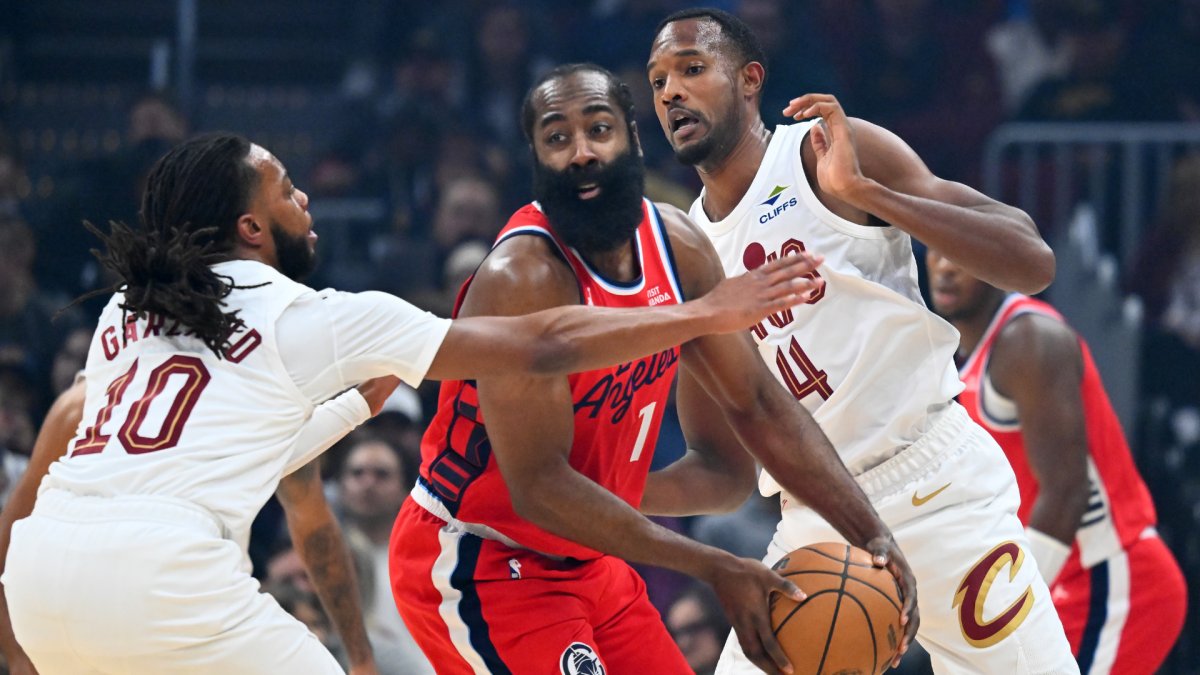
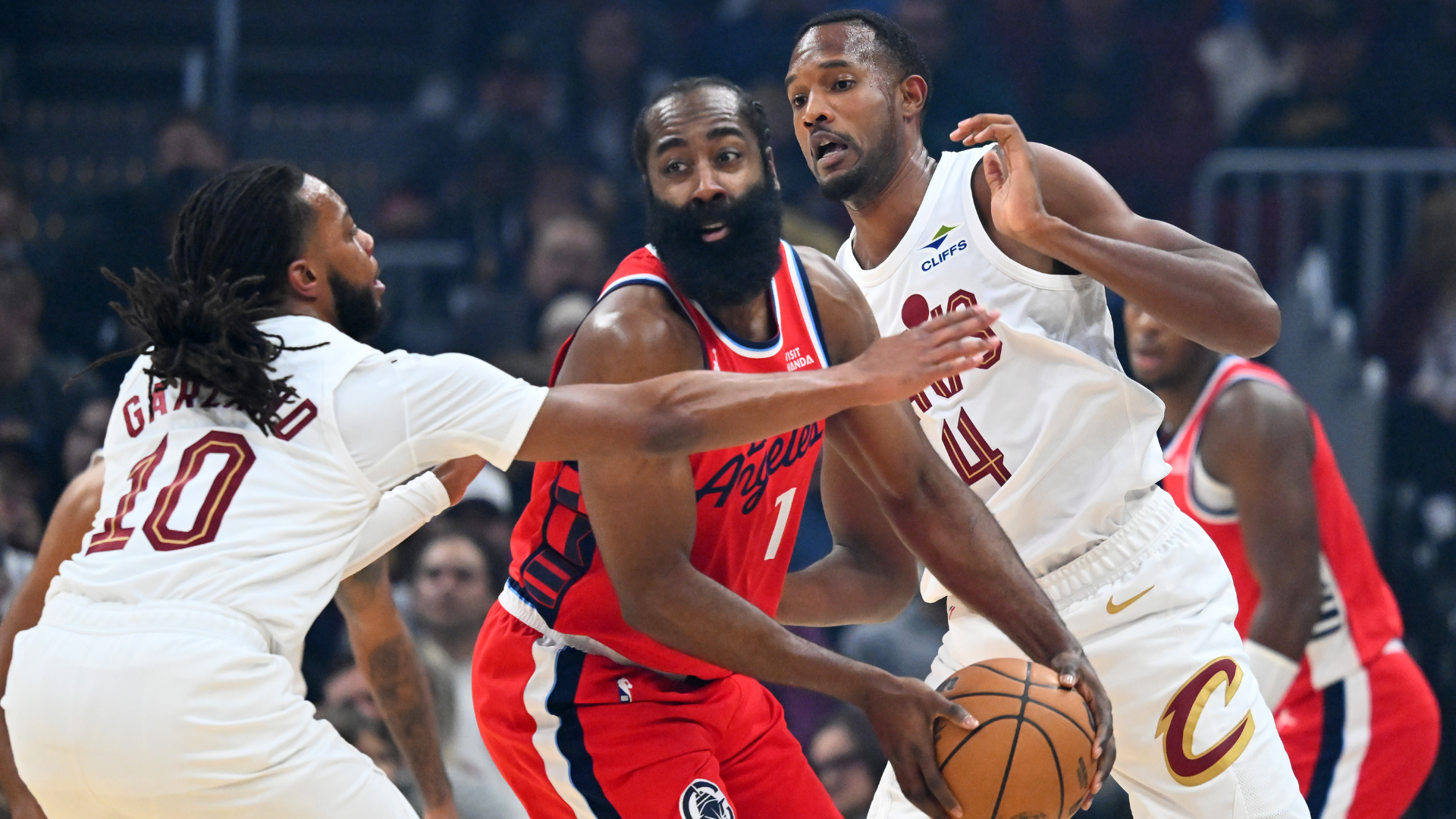
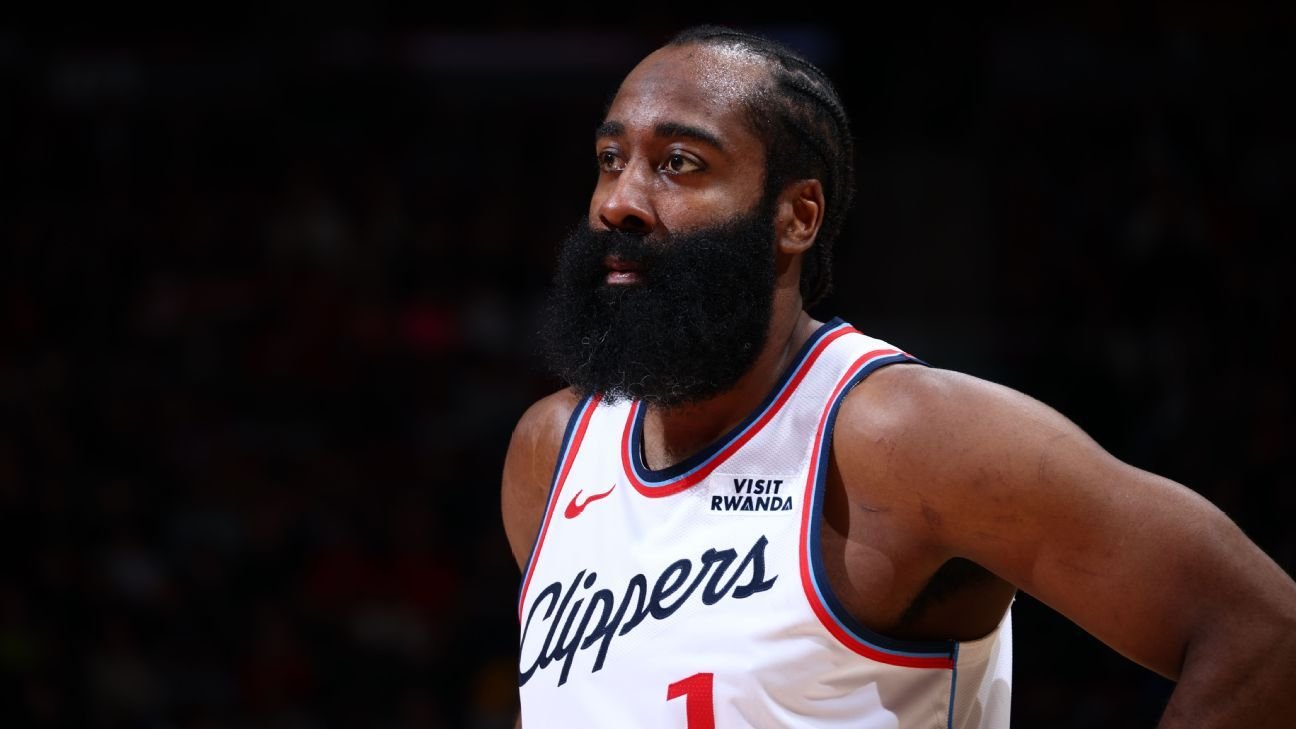
The Cleveland Cavaliers and Los Angeles Clippers have struck an NBA trade deadline blockbuster. The two sides have agreed to a deal that sends Darius Garland and a second-round pick to the Clippers in exchange for James Harden, according ESPN. It’s one of the more surprising trades in recent deadline history given the age difference between the two players. Garland, just 26, is 10 years Harden’s junior. Cleveland, coming off of a 64-win season and still in the thick of the Eastern Conference playoff race, seemingly didn’t need to make a shakeup this significant. Yet the Cavaliers made the deadline stunner in hopes of enhancing their 2026 title chances.
There are two likely motivations for this trade on Cleveland’s end. The first is durability. Garland has dealt with a toe injury dating back to last postseason. He missed time early in the season, came back and struggled, slowly worked his way back into form, but aggravated the injury and has now been out since Jan. 14. He dealt with a variety of injuries earlier in his career, including a torn meniscus when he was in college.
The second motivator is likely financial. Harden and Garland make almost identical salaries this season, but Harden’s contract is only partially guaranteed for next season, and given his age, he is unlikely to be a long-term fixture on their books. Garland has two more expensive seasons left on his contract, and he is set to become eligible for a contract extension this offseason. Given the league-wide move away from small guards and Garland’s injury history, it’s possible that the Cavaliers have simply decided they were ready to move on Garland, but without wanting to sacrifice their chance at competing this season, Cleveland instead turned to an older star guard to pair with Donovan Mitchell.
Harden has unquestionably been the better of the two players this season, averaging over 25 points and eight assists for the Clippers as he kept them afloat early in the season. He has not scored especially efficiently this season, but he is still an elite generator of team offense. The Clippers scored 118.9 points per 100 possessions with Harden on the floor this season, which is the equivalent to the No. 3 offense in the NBA over the full season., They fell off of a cliff without him.
While Harden has defensive vulnerabilities like Garland, he does have two key areas of utility. First, he’s a good deal bigger than Garland. Harden is a bulky 6-foot-5 whereas Garland is a skinny 6-foot-1. Harden has used that strength to hold his own against bigger players in the past. He also has very quick hands, which he’s used to deflect passes and generate turnovers quite well throughout his career. Cleveland’s point guard slot was always going to be a defensive issue, but the Cavaliers recently turned De’Andre Hunter into Dennis Schröder and Keon Ellis, beefing up that perimeter defense perhaps in anticipation of this sort of move.
The Clippers end of this deal is more obvious. They just turned a 36-year-old star point guard into a 26-year-old star point guard. The Clippers, built around Harden and the 34-year-old Kawhi Leonard, were the oldest team in the NBA entering this season. The ongoing investigation into Leonard’s dealings with Aspiration could alter his time with the Clippers in the near future, so the team badly needed to figure out some sort of new, long-term direction. Garland is a start on that front, and with their books basically clean after the season, they shouldn’t have much of an issue paying him for the long haul and putting a team around him and cornerstone big man Ivica Zubac.
As a value proposition, this trade is going to raise some eyebrows. Typically, a team trading a young, recent All-Star expects to receive a haul of draft picks back in return. But recent history seems to be pointing in the other direction, especially when it comes to small guards. Trae Young was just traded, essentially, for a salary cap dump with the Washington Wizards. The Memphis Grizzlies have struggled to generate a substantial trade market for Ja Morant. Had Cleveland moved a year or two earlier on Garland, this trade would probably look different.
Instead, the Cavaliers may be realizing that they cannot do much better than an older, slightly more productive and durable replacement. Even despite Harden’s history of playoff disappointments, the Cavaliers may ultimately decide that he gives them a better chance at winning it all this season than Garland does, so they’re considering moving their talented yet injury-prone star now rather than risking the even worse offers players like Young and Morant seemed to generate later.
It’s an enormous and unconventional risk, one that has a chance to completely revitalize the Clippers in the coming years. But if Harden can overcome his own history to give Cleveland the sort of reliable production in the playoffs that he’s been giving the Clippers in the regular season, it might be what it takes to get the Cavaliers back to the Finals.