dailynewsnblog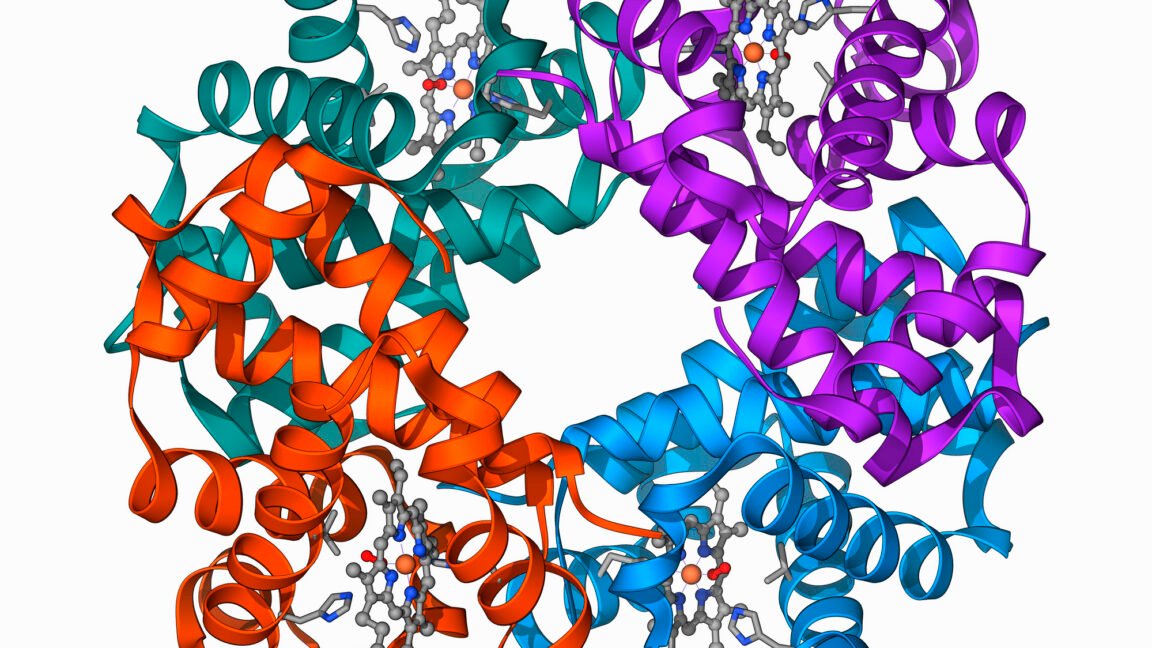
Almost as soon as researchers started exploring the capabilities of the CRISPR/Cas9 system, they recognized its potential use in targeted gene editing. But the intervening decades have seen slow progress as people worked to determine how to do so in a way that would be safe for use in humans. It was only a little over two years ago, decades after CRISPR’s discovery, that the FDA approved the first CRISPR-based therapy, for sickle-cell anemia.
Now, following up on that success, a large Chinese collaboration has followed up with a description of an improved gene editing system that produces more focused changes and fewer mistakes. And they’ve used it to produce a therapy that addresses a disease that’s closely related to sickle-cell anemia: β-Thalassaemia.
Gene editing and its limits
The CRISPR/Cas-9 system provides bacteria with a form of immunity. It uses specially structured RNAs (called guide RNAs) that can base-pair with a targeted sequence. The Cas-9 protein then recognizes this structure and cuts the DNA nearby. This is quite effective when the guide RNA can base-pair with a DNA virus, as the resulting cut will inactivate the virus.
There are a couple of ways to use this for DNA editing in organisms such as ourselves. Both of these take advantage of the fact that the DNA repair systems in cells will often chew back the ends of these cuts before linking them back together again. This will frequently lead to small deletions at the site of the cut, which can be used to disable genes. The size of these deletions will vary, so you have to do some DNA sequencing to find one that disables the gene you’re interested in, but doesn’t do any additional damage.
Alternately, any deleted sequence can sometimes be repaired using a matching sequence, which is typically found on the other copy of the same chromosome. If the CRISPR-based cut is accompanied by lots of copies of a modified sequence, then it’s possible for repair systems to insert the modifications into the genome, providing a true editing capability. But again, this process is error-prone, so people typically need to edit a bunch of cells and sequence the DNA to make sure the right changes are made.