dailynewsnblog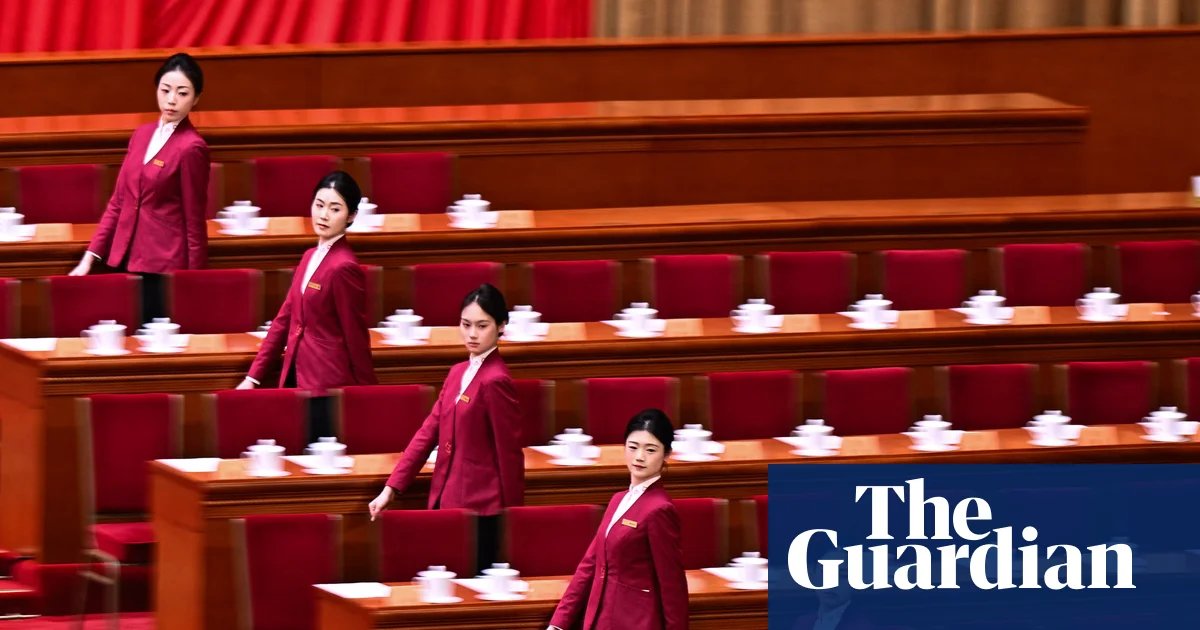
China’s annual Two Sessions meetings begin this week, with thousands of political and community delegates descending on Beijing from across mainland China, Hong Kong and Macau to ratify legislation, personnel changes and the budget over about two weeks of highly choreographed meetings.
What is the Two Sessions?
The event is called the Two Sessions because both the National People’s Congress (NPC) and the Chinese People’s Political Consultative Conference (CPPCC) hold their annual meetings separately, but at the same time. The CPPCC is an advisory body, with little real political influence but often considers some outside-the-box proposals for issues like China’s demographic crisis. Its members include business executives, celebrities and celebrated individuals who previously included the likes of actor Jackie Chan and the basketballer Yao Ming. The 3,000-member NPC is the Chinese Communist party’s legislative body, but is largely a “rubber stamp” parliament, having never rejected a bill put before it.
What happens at the Two Sessions meetings?
The meetings include “work report” speeches by the premier, and sometimes – but not always – speeches by the chair of the Communist party, Xi Jinping. Official economic targets are set, military budgets announced, and changes in the ranks of party leadership bodies are confirmed.
The Two Sessions gathering has hosted hugely significant policy changes in the past. In 2023, it saw the formalisation of Xi’s precedent-busting third term as leader. In 2020, the NPC unveiled plans for the national security law now in place over Hong Kong.
What is different about the Two Sessions this year?
This year attention will focus on the 15th five-year plan, Beijing’s economic planning document for 2026-2030.
The key points of the plan were released last year, when it was considered in draft form by senior CCP officials. Highlights include boosting domestic demand and building up China’s capacity in cutting-edge technologies, particularly nuclear fusion, quantum technology and artificial intelligence. Although China has reached an uneasy truce with the US in a trade war that threatened to upend the global economy, Beijing is focused on reducing China’s economic reliance on the US in future.
This year’s Two Sessions also takes place in the shadow of a major shakeup in the ruling body of the People’s Liberation Army (PLA). In January, Xi placed his top general under investigation for suspected corruption and disloyalty, a purge that followed the ousting of several other military and defence figures in recent months.
The sessions are attended by a huge crowd of foreign media, many of them flying in for the meeting and a rare chance to interact with CCP officials in person. In 2024, the annual premier’s press conference was abruptly cancelled without explanation, closing down one of the already limited forums for transparency.