dailynewsnblog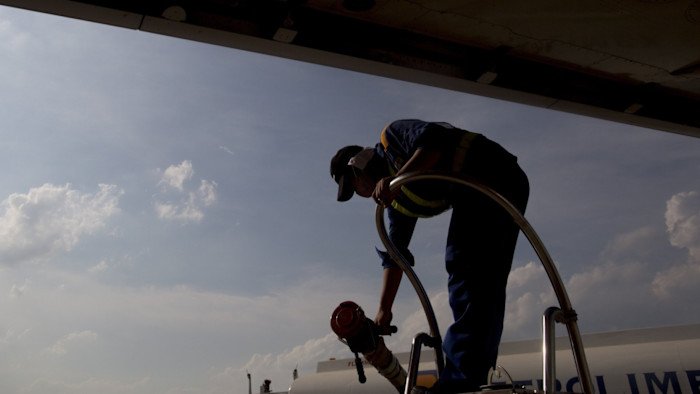
China is throttling exports of jet fuel, diesel and fertilisers, adding to fears in some of Asia’s biggest resource, manufacturing and agricultural nations that supplies could run short because of the war in the Middle East.
The National Development and Reform Commission, China’s top economic planner, has in recent days told fertiliser exporters to halt overseas shipments of some product lines, according to industry insiders, diplomats and analysts.
This follows NDRC’s instructions earlier this month to large state-backed oil refiners to stop overseas shipments of jet fuel, diesel and kerosene.
China is the world’s second-largest exporter of fertiliser, after Russia, and the sixth-largest exporter of jet fuel, according to International Trade Centre data. It is trying to preserve energy and food reserves and protect the domestic market, analysts say.
There has been no official announcement from Beijing of export controls on the products it sells to countries such as Australia, Vietnam and India.
One employee at a fertiliser producer in northern China’s Shandong province, who asked not to be named, confirmed their company had been told to stop imports to India but said some shipments to south-east Asia were still permitted. Analysts briefed on the industry and diplomats also confirmed the extension of export controls.

Dai Jiaquan, chief economist of CNPC ETRI, an internal think-tank for the state oil producer, told the FT that exports of the aeroplane fuels “are paused”. He did not comment further.
Despite the lack of official announcements, Even Pay, director at strategic advisory group Trivium China, said, “we can be very confident” Beijing will extend and expand the scope of export controls on fertilisers.
“There is going to be an ‘all hands on deck’ effort to ensure any and all fertiliser is kept at home for as long as possible to be sure domestic farmers have what they need — before any exports are considered,” she said.

Beijing has used export controls to hit back at Washington in the US-China trade war over the past two years, such as those on critical minerals and rare earths. Those were publicly announced and a licence system created for companies to apply for exports.
Analysts said the lack of a public announcement this time round reflected the haste with which the NDRC has acted.
Hu Min Min, lead analyst for China crude oil fuels and refining at S&P Global Energy, said it was “unlikely” waivers would be granted for cargo exports of gasoline, diesel and jet fuel unless there is a substantial resumption of navigation through the Strait of Hormuz.
Analysts noted that even then, it was unclear how long it will take for China’s export policies to return to normal. “We expect refineries will prioritise replenishing crude and product inventories and securing domestic supply over a rapid surge in exports,” added S&P’s Hu.
Trivium’s Pay noted that since the start of the Covid-19 pandemic temporary bans on Chinese fertiliser exports had become increasingly common, though they were mostly used to ensure Chinese farmers’ access to supplies at low prices.
This time, the impetus for the controls is the closure of the Strait of Hormuz that has shut China’s access to key fertiliser inputs, including sulphur.
China is a major supplier of fertilisers for India, accounting for 10 per cent of India’s total fertiliser imports. The Fertiliser Association of India did not immediately respond to questions.

Philippines officials said this week that while China had assured Manila it would not restrict fertiliser shipments, is also eyeing alternative supplies from India, Russia and Belarus.
Vietnam is among those most exposed to Chinese controls.
The country, which is a base for Samsung, Bosch and Nestlé, imports nearly 70 per cent of its jet fuel needs, with about 60 per cent coming from Thailand and China.
Suppliers in Vietnam have said they can guarantee jet fuel for March, but have warned of disruptions from April.
Operating costs of Vietnamese airlines have jumped as much as 70 per cent due to an increase in jet fuel prices.
China’s export controls are also exacerbating fuel shortages in Australia. The country, which is the world’s top exporter of iron ore, coal and LNG, relies on China for about one-third of its jet fuel. It is also among the top importers of Chinese diesel.
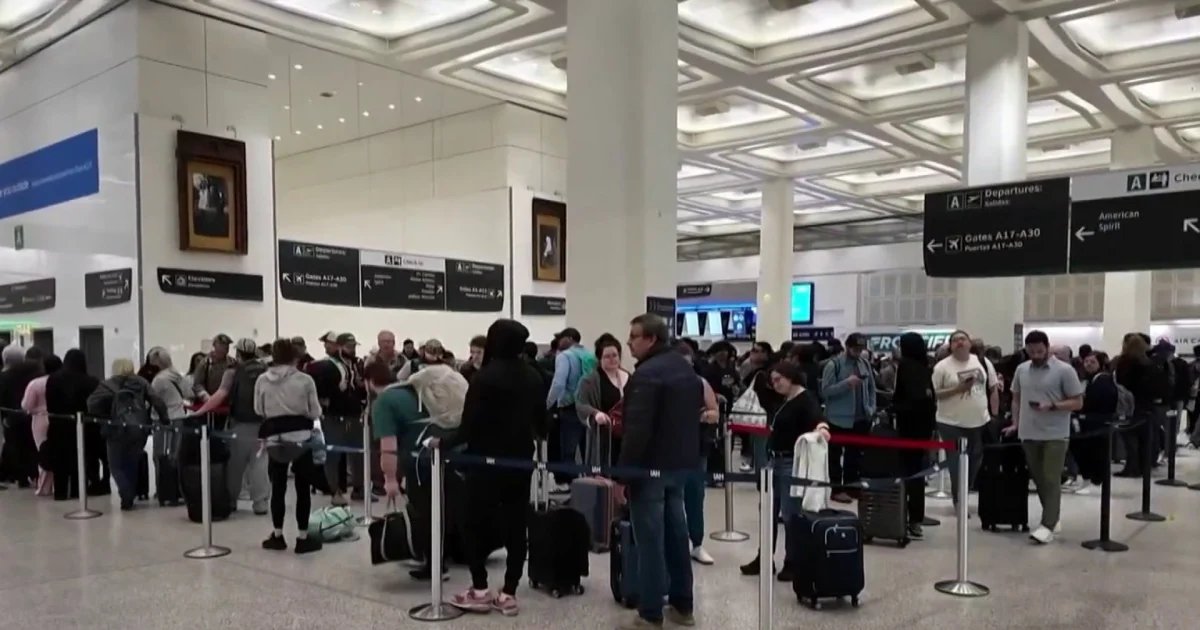
Australia largely relies on aviation for domestic travel between major cities but a shortage of diesel would have a profound effect on the distribution of food and goods across the country. The government warned this week of a “very real” potential surge in inflation that would knock GDP, and on Thursday held a special cabinet meeting to respond to the crisis.
Some smaller mining companies have started to ease exploration work due to the cost of getting workers on to remote sites. Rob Walker, chief executive of the Regional Aviation Association of Australia, said there were already signs of supply issues in rural airports as trucks had been unable to deliver jet fuel.
Ye Lin, an Asia oil market analyst at Rystad Energy, said that if resource shortages start to damage the economies of key trading partners, there might be a chance that Beijing reviews the export curbs to some key trading partners. “When other countries are suffering, China could be a lifesaver.”
Neither the NDRC or the Ministry of Commerce, which oversees export controls, responded to requests for comment.
Additional reporting by Haohsiang Ko in Hong Kong, Cheng Leng and Wenjie Ding in Beijing, Krishn Kaushik in Mumbai and Michael Pooler in São Paulo