dailynewsnblog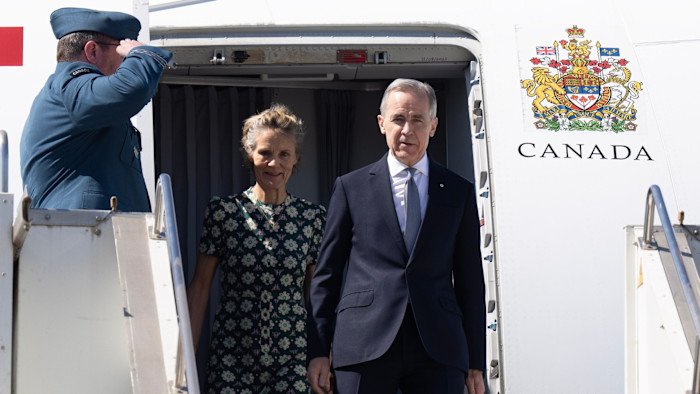
Unlock the Editor’s Digest for free
Roula Khalaf, Editor of the FT, selects her favourite stories in this weekly newsletter.
Canadian Prime Minister Mark Carney has landed in Mumbai to kick off a high-stakes 10-day tour of India, Australia and Japan — his first diplomatic mission since his call in Davos for a ‘middle power’ alliance against US-led global disruption.
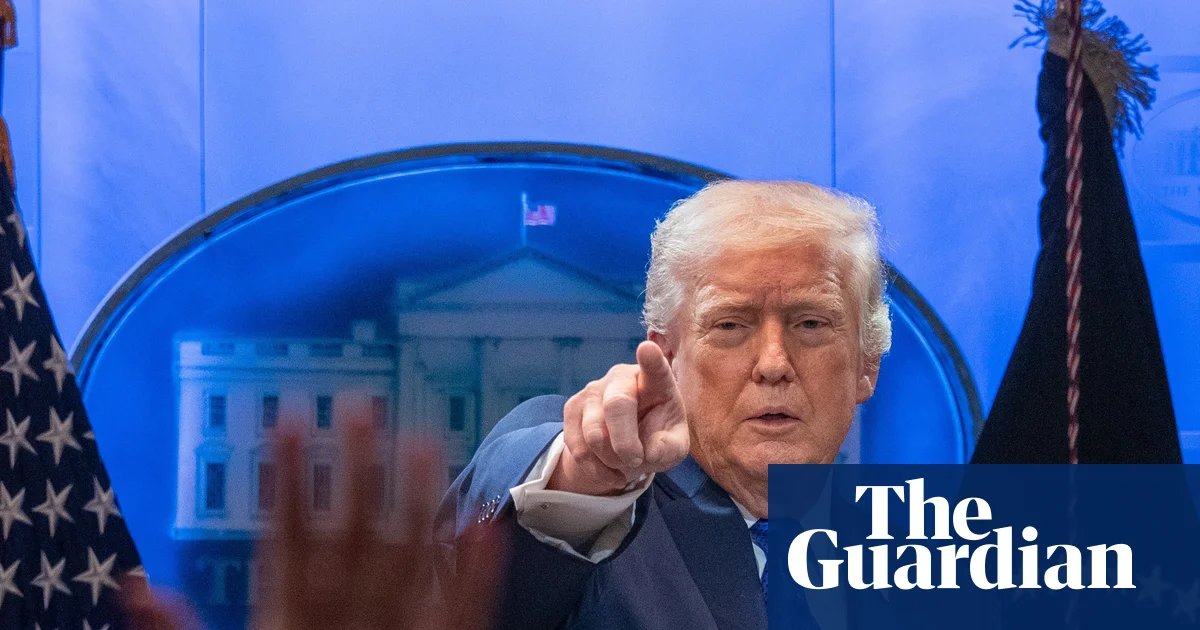
Canada is turning to Asia in an effort to double non-US trade and raise almost $300bn over a decade to counter President Donald Trump’s devastating tariffs on key sectors such as automotive, steel, aluminium and lumber.
“This trip provides an opportunity for Carney to operationalise or to test his middle power diplomacy in the region,” said Vina Nadjibulla, vice-president of research and strategy at the Asia Pacific Foundation of Canada.
On Monday, Carney meets Prime Minister Narendra Modi in New Delhi before flying to Australia, where he is expected to address parliament in Canberra. He then jets to Japan to meet Prime Minister Sanae Takaichi, who was sworn in October last year.
It is Carney’s third trip to Asia in four months, with the intention of “strengthening and deepening relations with three of the most consequential Indo-Pacific partners”, according to Nadjibulla.
Carney’s widely praised speech at the World Economic Forum in Davos, Switzerland, described a “rupture” in the global order caused by the Trump presidency, which was reordering trade and traditional alliances that have shaped geopolitics since the end of the second world war.
“Middle powers must act together because if we’re not at the table, we’re on the menu,” Carney said.
In response to the US administration’s volatility, Modi’s India has also been deepening ties with a range of middle powers that include Canada, Japan, Brazil, the United Arab Emirates and the European Union.
But Professor Stephen Nagy, from Ottawa’s Macdonald-Laurier Institute, said despite the Davos fanfare, “in reality, Canada is a relatively small country that lacks the ability to lead a coalition of bigger and more powerful peers”.
Nagy said middle powers needed to “be willing to stick their neck out” and that came from consensus building and “making economic security and trade agreements first”.
In January, Carney became the first Canadian prime minister to visit China in almost a decade, meeting President Xi Jinping in a bid to kick-start relations with the world’s second-largest economy.
During the trip Carney referred to the “new world order” and described Beijing as a “strategic partner” that has become more predictable than the US.
Nadjibulla said Carney’s goal in India — which has overtaken Japan to become the world’s fourth-largest economy — was “a full reset with a much more ambitious agenda of re-engagement in every sector”, while the China trip was a “recalibration”.
But Carney’s willingness to overlook India’s alleged involvement in the 2023 murder of Hardeep Singh Nijjar, a Canadian citizen and Sikh activist, has also drawn criticism.
The extraordinary diplomatic break-up in 2024 came after former prime minister Justin Trudeau said there were “credible allegations” of Indian government involvement in the murder. New Delhi rejected the claims.
Moninder Singh, head of the Sikh Federation of Canada that represents nearly one million Sikhs, said the trip was “highly problematic” as Ottawa had previously stated India was “behind the wave of violence in Canada”.
“Violence, extortions, threats and police warning Sikh activists continue,” he said.
Courting China and relaunching trade talks with India — the world’s fastest-growing economy with annual GDP growth of 6.4 per cent, according to the IMF — highlights a significant shift in Canada’s foreign policy.
But Canada’s trade with the Indo-Pacific region is only worth C$261bn in 2024, accounting for about 18 per cent of global trade, which is dwarfed by its C$1.3tn in annual trade with the US.
Canada is promoting itself as an emerging “energy superpower” with oil and gas for new markets in China, Japan and India in an attempt to boost its economy.
Members of Canada’s so-called “Maple Eight”, the largest Canadian pension funds collectively managing approximately C$2.4tn in assets, are also part of the delegation.
Goldy Hyder, president of the Business Council of Canada, said the trip’s key focus was attracting investment and advancing a diversification strategy.
“Canada, India, Australia and Japan have much in common and much to discuss on shaping the new world order,” he said.