dailynewsnblog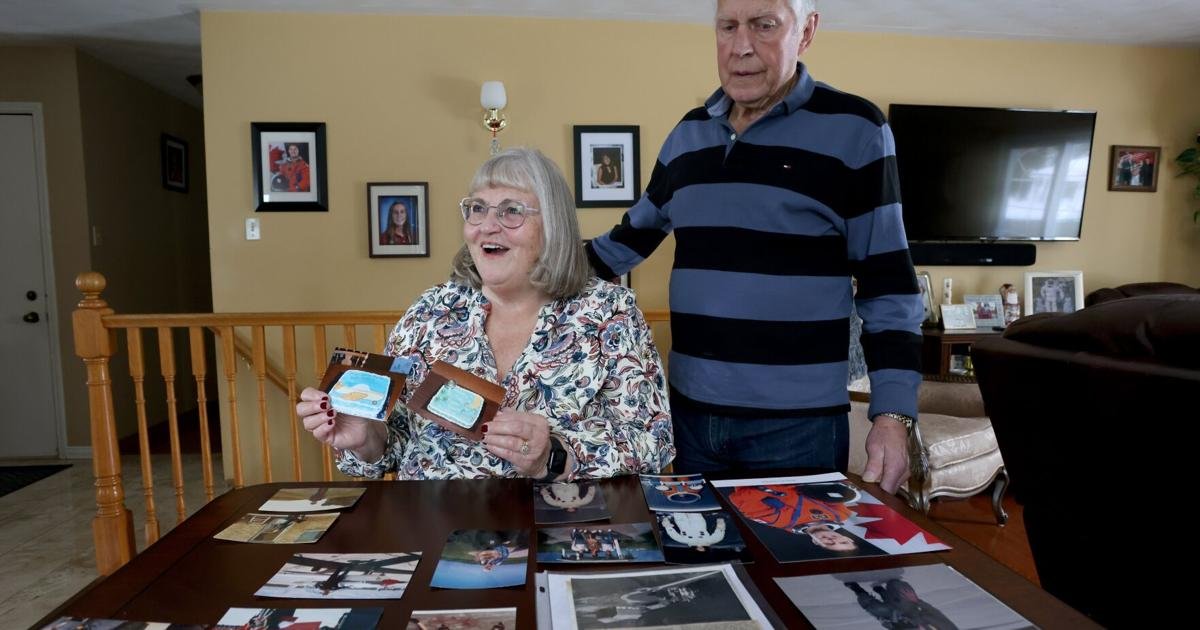
Jeremy Hansen sat his parents down not long ago and explained he might not be coming back from his mission.
As early as Wednesday, Hansen, 50, will climb aboard a 98-metre-tall rocket at NASA’s Cape Canaveral launch pad for Artemis II, the mission that will send humans around the moon for the first time since the Apollo program ended in 1972. In doing so, Hansen will become the first Canadian — indeed, the first non-American — to ever leave low Earth orbit.
And as he explained in January the realities that could jeopardize his own survival, his mother Nancy began to cry.
“It’s pretty tough knowing you might not see him again,” she recalled later, sitting at home in Ingersoll, Ont. “But he’s wanted this so bad and I would never not want him to do it, no matter how much it would hurt.”
Hansen’s story seems like it was ripped straight from a comic book — the boy who grew up on a farm in a tiny corner of southwestern Ontario, who decided at age five he would be an astronaut then proceeded to actually do it. He is a real-life Buzz Lightyear, with a square jaw and dimpled chin, and after nearly 17 years waiting for his turn in space, Hansen is finally about to get it.
His parents struggle to put into words how the only child of two automotive factory employees became the man who, with three crewmates, will fly around the moon and go further from Earth than anyone ever has before.
Gary and Nancy Hansen still live in Ingersoll, just east of London, population 14,000, home to a local cheese museum. The street number on their house is engraved with the shape of the Space Shuttle and inside, photos of Hansen adorn the walls. The landline phone hangs next to a photo of Hansen flying a T-38 jet.
Three separate decorative signs say, “I love you to the moon and back.”

Jeremy Hansen, 50, will become the first Canadian to leave low Earth orbit when Artemis II launches as soon as March 6.
John Raoux/AP
Gary, 81, worked for nearly 20 years on the factory floor of an automotive assembly plant and Nancy, 74, worked in the plant’s office. Neither paid much attention to space before Hansen came along.
Gary is quiet, calm and rational. He doesn’t often smile in photos. Nancy is lively and talkative — and afraid of heights. Hansen, they say, got the best of both of them.
‘He was just fixated’
Lying on their dining room table, next to bottles of astronaut-themed white wine, are photos from Hansen’s life, the earliest of which shows him waiting for the bus at the end of the driveway on his first day of kindergarten.
Hansen grew up on a farm in Ailsa Craig, Ont., where his father grew beans and corn and rutabagas. He would walk through the rows of crops with a wagon and pails, helping Gary pick up stones that could damage the farm machinery.
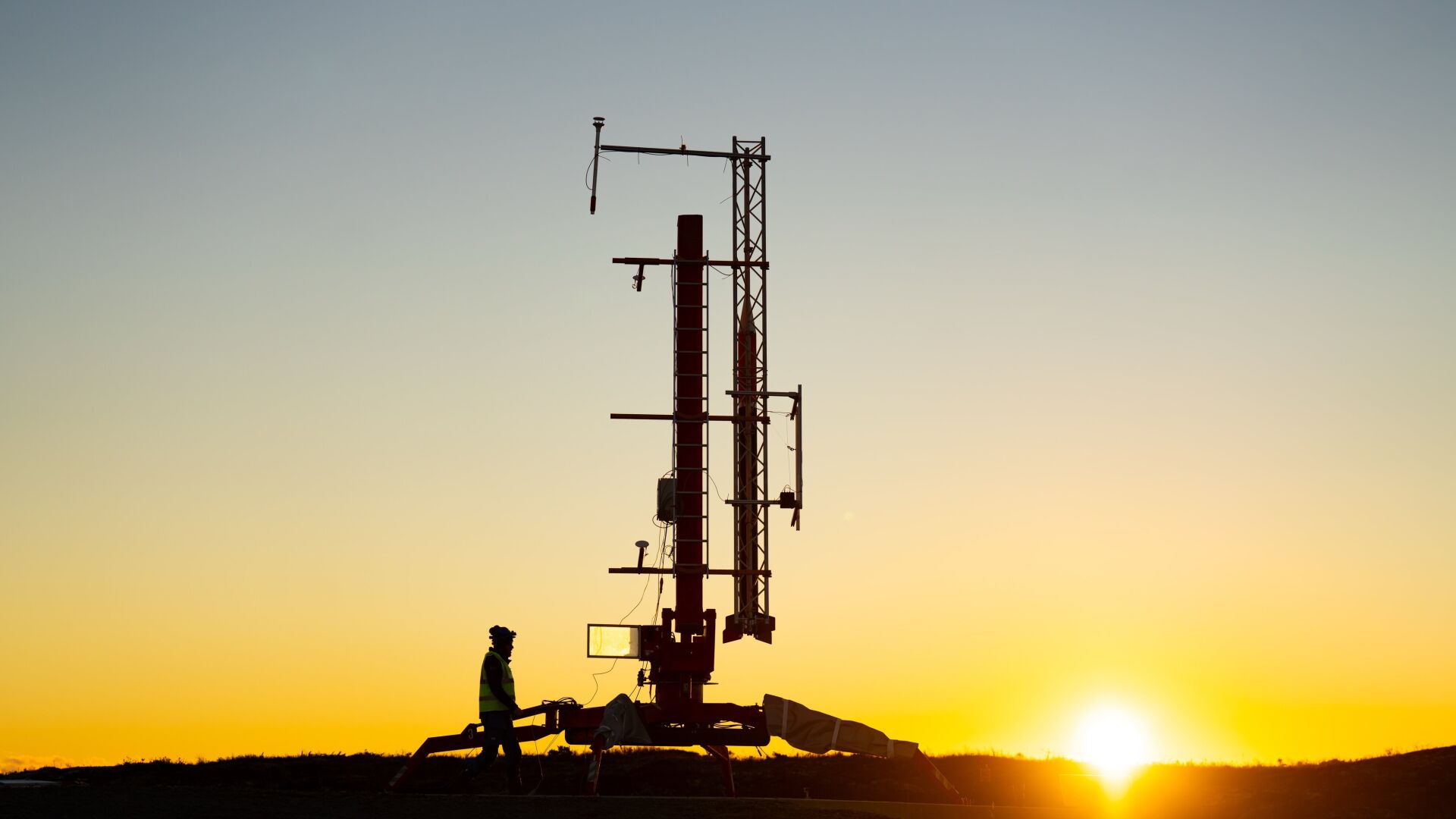
Ottawa has awarded a $200-million contract for a Canadian launch pad, in addition to $183
He wanted to be an astronaut from the age of five. He was flipping through an encyclopedia, the story goes, when he saw a photo of Neil Armstrong on the moon, and his course was set. Nancy and Gary took him to Florida when he was six; he was more excited for the Kennedy Space Center than Disney World.
Nancy made space birthday cakes for him growing up and Gary built a tree house, which Hansen decorated with bottle caps and old breaker switches and posters of the moon to make it look like a spaceship. He played hockey and soccer until he quit to make time for air cadets every Wednesday and Friday night.

Hansen went skydiving for the first time as a teenager, which Nancy said was “pretty nerve-wracking.” She said watching him launch on Artemis II will be similar — “just on a bigger scale.”
Nicole Osborne for the Toronto Star
The family moved to Ingersoll in time for high school. Hansen aced nearly every class, but teachers told Nancy he got incredibly stressed before exams, wanting to keep his grades high enough to get into the Royal Military College in Kingston.
Once, in Grade 10, Hansen came home with a C in math. “He was literally devastated,” Nancy said. “Like, devastated.”
He went skydiving for the first time when he was 16. Nancy told him no, so he asked Gary when she wasn’t around. He said yes, and later told Nancy: Your fears shouldn’t stop Jeremy from following his dreams.
Other kids kept photos of girls in their lockers. Jeremy had photos of airplanes and the Space Shuttle.
“He was just fixated,” Nancy said. “We didn’t have to push him. We used to have to tell him to back off.”
Becoming an astronaut
After graduating from the Royal Military College, Hansen spent six years as a fighter pilot. Then, in 2008, the Canadian Space Agency opened applications for its third astronaut class and more than 5,000 applied. “I think it was 5,386,” Nancy rattled off.

Gary Hansen, 81, grew cash crops on a farm in Ailsa Craig, Ont., before getting a job at an automotive plant in Ingersoll. He worked there for nearly 20 years before retiring.
Nicole Osborne for the Toronto Star
Over the course of the year, the CSA whittled down the application pool to just 39 candidates, who underwent medical evaluations, written exams, simulations and fitness tests. Hopefuls were strapped inside a mock helicopter cockpit as it crashed in a pool, filled with water and capsized.
Hansen was one of two finalists chosen to become an astronaut.
Now, after nearly 17 years on the ground — “way too long,” Nancy said — and more than a year of delays on Artemis II, which was originally expected to launch in November 2024, Hansen will fly as soon as Wednesday. He’ll travel alongside three Americans, including the first woman and the first person of colour to fly around the moon.
Two earlier launches in February and March were pushed back after NASA struggled with helium flow and a hydrogen leak in the rocket. While Artemis II will not land on the moon, NASA hopes it is a trial run for a landing in 2028.
The dangers of Artemis II
Hansen has walked his parents, wife and kids through footage of the uncrewed Artemis I launch from 2022 to explain what happened, step by step, so they’re prepared for Artemis II. He knows what rockets can look like to the unacquainted. He’s been with families of astronauts when previous rockets have gone up, Nancy said, and the families were terrified of an explosion.
Space travel is, by nature, dangerous. It exists on the razor edge of technological ability and human ambition, and while the vast majority of missions go off safely, there have been spectacular exceptions.

The Artemis II rocket stands 98 metres tall and packs nearly four million kilograms of maximum thrust.
John Raoux/AP
Nancy doesn’t remember where she was when Neil Armstrong walked on the moon, but she remembers Challenger. Hansen, who had just turned 10 the day before, was at school, so Nancy taped it for him, like she did every launch. She told him what happened when he got home. He was devastated.
On Artemis II, the largest safety concern is the heat shield on the Orion capsule, meant to protect the astronauts from extraordinary temperatures — about 2,760 degrees Celsius, half as hot as the surface of the sun — during re-entry through Earth’s atmosphere.
After Artemis I, NASA found unexpected damage to the heat shield. Instead of adjusting the design, NASA has altered the re-entry plan for Artemis II, a fix some — including one former astronaut — worry could still endanger the crew.
At a press conference in January, NASA administrator Jared Isaacman said the agency has “full confidence” in the heat shield.
Nancy said she has “100 per cent faith in NASA,” but her and Gary know nothing is guaranteed. At Thanksgiving, before the mission had been delayed, Nancy hugged Hansen goodbye and realized it could be the last hug she ever gave him. “That was tough,” she said. “And still is.”
But Nancy and Gary wouldn’t have it any other way.
“Because of the way space is over the years, you already know there’s always a risk,” Gary said. “Going home on the 401, there’s a risk, too.”
“You can’t live in fear, or you wouldn’t do anything, right?”

A sign at Ingersoll District Collegiate Institute, where Jeremy attended high school, celebrates his upcoming trip.
Nicole Osborne for the Toronto Star
On a February visit to the Hansen home, Nancy and Gary still hadn’t unpacked their bags since returning from the first launch window in Florida.
Gary was headed out shortly to get an oil change on the car. They would need it ready for the next trip down to Florida.
As the Artemis II mission preparations enters its final stages, Canadians will be able to follow astronaut Jeremy Hansen’s historic mission to the far side of the moon. The excitement at the Canadian Space Agency is palpable, including a chance for Canadians to ask a question to Hansen while he’s en route. (Jan. 17, 2026)
The Canadian Press