dailynewsnblog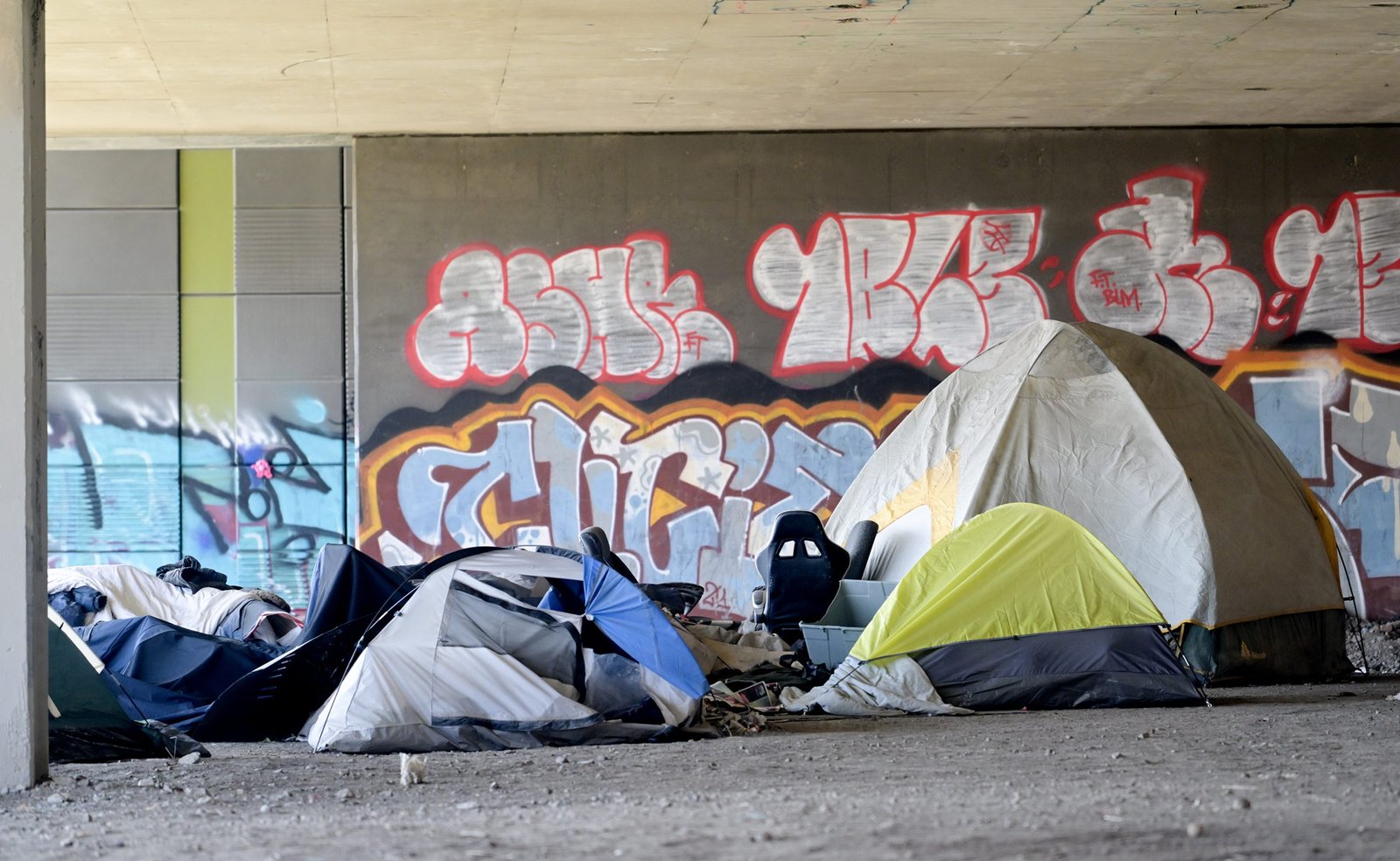
Solving homelessness requires federal investment in things like healthcare, mental health services, addictions support, employment and skills training, financial counselling, income or rent support, and legal aid. These types of investments contribute to strong, safe, and thriving communities — benefiting all Canadians.
20 degrees below zero. Sometimes even 30 below.
The temperature plunged across many parts of Canada this past month. We’re well into the winter now, and in a country like ours — even with extra layers, a warm hat, and double socks — you feel it in your bones when you walk out the door.
We’ve come to expect that our harsh winters bring dark evenings and cutting winds.
It’s also a season of harsh truths.
On your way to work, you see folks crouching in doorways or huddled together for warmth on the side of the street.
A friend who volunteers at the local shelter tells you that it’s overflowing with no end in sight.
You scroll past a news article about someone dying overnight in the extreme cold because they had nowhere else to go.
In these moments, does it really feel like we’re building “Canada Strong”?
In 2018, on any given night, about 30,000 people were experiencing homelessness in this country. As of last year, that number had doubled to nearly 60,000. These are people from all walks of life; young families, veterans, people seeking asylum, women fleeing violence, folks from marginalized communities, particularly Indigenous communities, and people who just can’t keep up with the skyrocketing costs of living.
We’re past the breaking point.
Homelessness costs the Canadian economy a whopping $10 billion per year (largely due to health care and justice system expenses) — so yes, ending this crisis is the smart, cost-efficient choice.
But, more than that, it’s the good and decent choice.
This issue — and how we respond to it — speaks to who we are as people and as a country.
It is unacceptable in a country like Canada to have people sleeping on the streets. All Canadians deserve a roof over their heads — indeed, building “Canada Strong” must also mean Canada housed.
The good news is that we have the power to end chronic homelessness, and the solution is clear and achievable — if we work together.
It will take meaningful, permanent funding in two categories: affordable housing and supportive wrap-around services.
First, people need a safe place to call home. A “Housing First” approach means renewing and topping up essential federal programs like Reaching Home and the Interim Housing Assistance Program — both of which focus on finding people safe and stable housing — while also increasing the supply of non-market housing.
But housing alone isn’t enough. After all, what good is a bed to sleep in if you don’t know where your next meal will come from, you’re struggling to find a job, you don’t have any community support, and you don’t have reliable access to primary healthcare?
Solving homelessness requires federal investment in things like healthcare, mental health services, addictions support, employment and skills training, financial counselling, income or rent support, and legal aid. These types of investments contribute to strong, safe, and thriving communities — benefiting all Canadians.
To make all of this happen, we need a comprehensive, Canada-wide strategy on ending chronic homelessness. This strategy would provide a clear plan for partnership between federal, provincial, territorial, and municipal governments, as well as a path to address the unique and urgent housing needs of asylum claimants — a group that is disproportionately affected by homelessness.
Municipalities know what it will take to make a real difference. And municipalities are ready to deliver solutions on the ground. We see our residents in need, we know what they deserve, and we understand what it will take to make a real difference. But we need federal leadership and sustained investment to make it happen.
So, let’s not wait. Let’s make the economically-sound choice — the good and decent choice — to care for our most vulnerable and strengthen the country we’re all proud to call home.
Rebecca Bligh is president of the Federation of Canadian Municipalities.
The views, opinions and positions expressed by all iPolitics columnists and contributors are the author’s alone. They do not inherently or expressly reflect the views, opinions and/or positions of iPolitics.