dailynewsnblog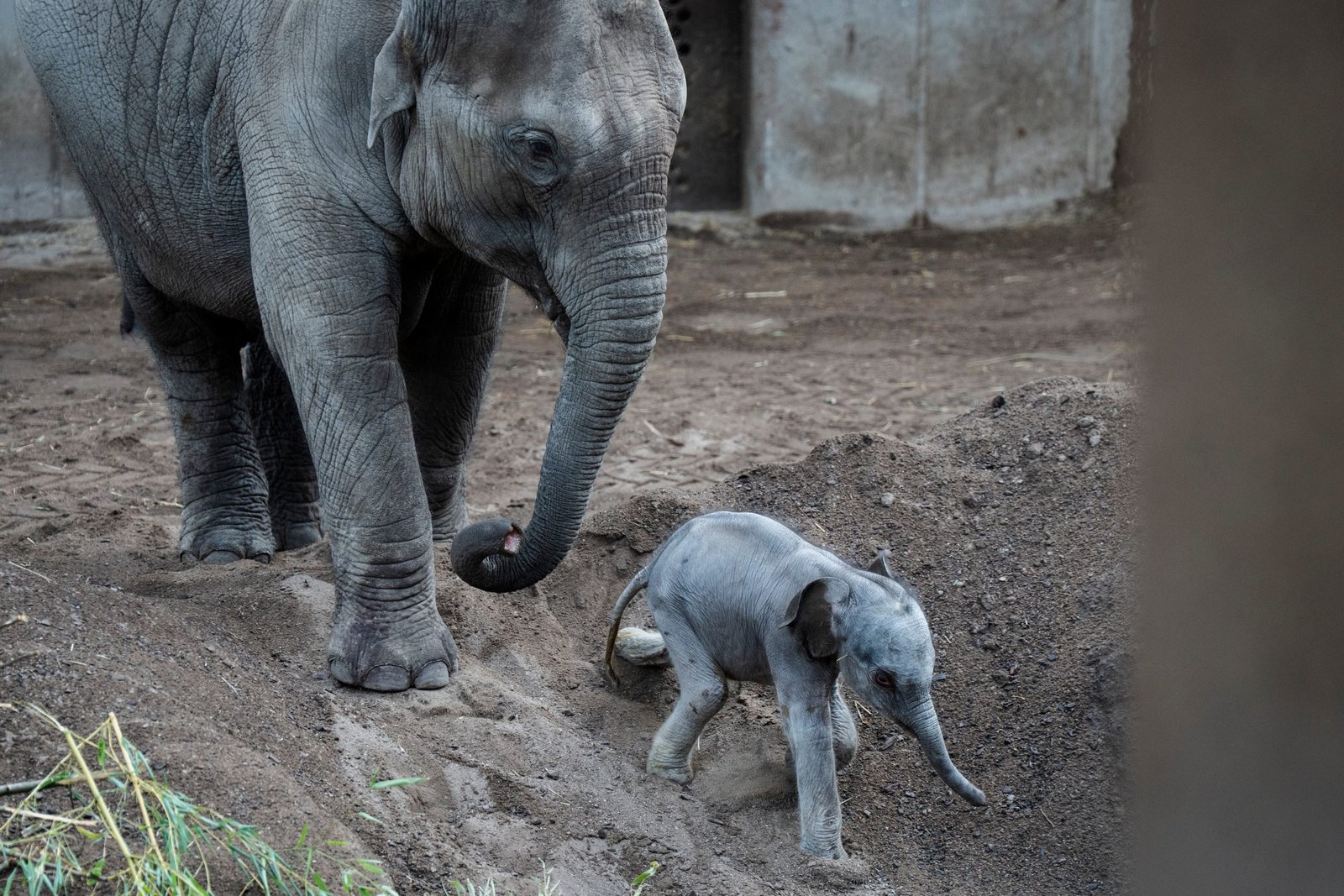
Building on Canada’s landmark ban on keeping cetaceans in captivity for entertainment, we now have the opportunity to show principled global leadership once again by prohibiting the captivity of elephants, great apes and big cats for entertainment and affirming our commitment to science and modern ethical animal protection standards.
Humane World for Animals (formerly known as Humane Society International and Humane Society of the United States) has an extensive history of rescuing animals from horrible captive conditions in the context of animal cruelty investigations globally. Time and time again, we have seen the devastating outcomes of keeping wild animals who have significant biological, psychological and social needs in substandard facilities that cannot possibly come close to approximating their lives in the wild.
Some species in particular — such as cetaceans, great apes, elephants and big cats — are particularly unsuited to life in captivity. These large, complex animals swim or roam through vast territories in the wild and have extensive physical and psychological needs, making them among the most likely species to suffer in captivity.
I witnessed first-hand the trauma and cruelty captivity can inflict on wild animals with such advanced cognitive abilities and complex social structures when Humane World for Animals Canada assisted the Montreal SPCA in the largest zoo closure in Canadian history. Together in 2019, we rescued over 200 wild and exotic animals from decrepit, barren and disturbing conditions at a roadside zoo in Quebec. I saw failing fences and cages, chewed stalls holding malnourished, anxious and lonely animals, dead animals just below the soil, and a dilapidated and dank barn with rows of stalls housing isolated animals. The big cat “house” was a shed over a filthy cement floor with rusted-out enclosures that had unsafe and weakened spots from the cats chewing on them.
Six years later, I was once again part of a lifesaving rescue of lions. Shockingly, the lions were found at the same roadside zoo, which was then under new ownership but had recently closed, abandoning the animals. The animals we found were confined in the same small, barren, substandard shed with inadequate enrichment, veterinary care and nutrition. They were all exhibiting signs of severe stress. No one else was able to take them or relocate them, and they were facing euthanasia. Once again, Humane World for Animals Canada had to intervene to save these animals’ lives.
While wild and exotic animals suffer in substandard facilities across Canada, progress on a legislative front is slowly building momentum. In 2019, Canada passed bill S-203, banning the captivity of cetaceans for entertainment. Wild animals who suffer similarly in captivity—such as elephants, great apes and big cats—have not yet been awarded the same protections. For now, wild and exotic animals in captivity remain tragically under protected. The ongoing need for non-governmental organizations, including Humane World for Animals, to rescue the victims of roadside zoos highlights a glaring gap in federal policy. Without meaningful legislation, unethical facilities will continue to profit from animal suffering.
Hope was on the horizon in 2022, when legislation was introduced to ban the captivity of elephants and great apes for entertainment (Bill S-15) in Senate. Based on the best available science and backed by experts in the field, the evidence was clear that these animals cannot be humanely kept in captivity. They are cognitively complex, social animals, and their physical and psychological needs simply cannot be met in captivity. For the same reasons, lawmakers recommended including big cats such as lions, tigers, leopards, jaguars and cheetahs as well. Unfortunately, the bill died on the order paper due to the most recent federal election.
With a new government now in place, it’s critical that this legislation be reintroduced without delay to ban the new captivity and use in entertainment of great apes, elephants and non-native big cats in Canada. The ability to add new species to the legislation is also critical: as public attitudes evolve and new scientific knowledge regarding wild animal biology emerges, legislation that sets out to protect wild animals in captivity must be designed such that it can be amended accordingly.
To reiterate: satisfying the biological, psychological and social needs of wild animals is challenging, even with the best of intentions, in the best captive conditions. We simply cannot approximate a life in the wild for captive animals like elephants, great apes and non-native big cats here in Canada. Building on Canada’s landmark ban on keeping cetaceans in captivity for entertainment, we now have the opportunity to show principled global leadership once again by prohibiting the captivity of elephants, great apes and big cats for entertainment and affirming our commitment to science and modern ethical animal protection standards.
Rebecca Aldworth is the executive director of Humane World for Animals Canada (formerly Humane Society International/Canada). In the role, she has driven a significant volume of national and provincial animal protection reform in the past two decades, as well as the rescue of thousands of animals in crisis and distress, including historic closures of the largest puppy mill and the largest roadside zoo in Canadian history.
The views, opinions and positions expressed by all iPolitics columnists and contributors are the author’s alone. They do not inherently or expressly reflect the views, opinions and/or positions of iPolitics.