dailynewsnblog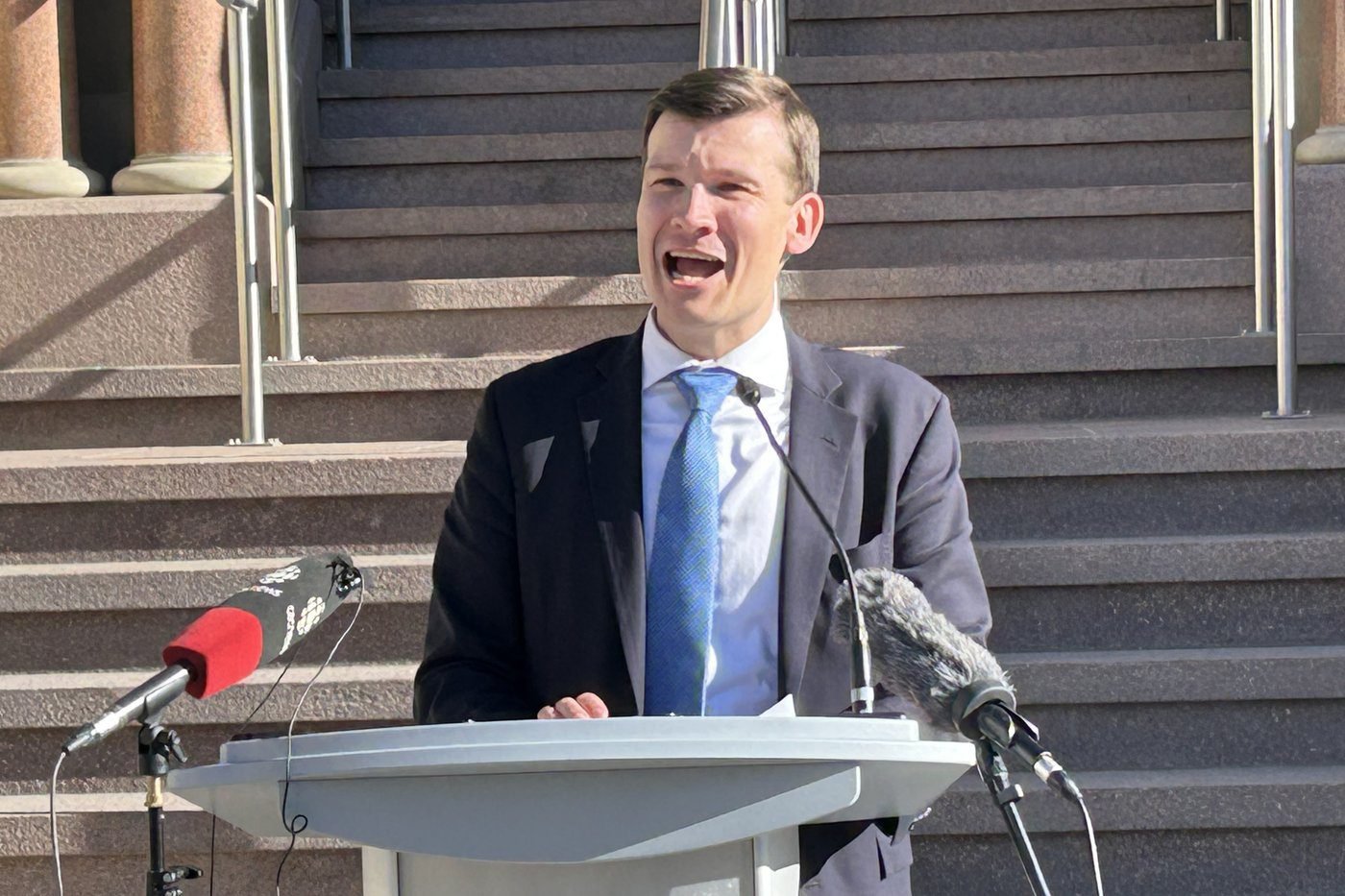
CALGARY — Calgary city councillors worked through a gauntlet of speakers Monday in the latest round of debate over a contentious housing policy and whether it has worked to alleviate the housing shortage in Alberta’s largest city.
Residents were arguing a so-called blanket rezoning bylaw that allows for fast-tracking higher density builds in established neighbourhoods. Critics say that risks crowding and undermining the character of these neighbourhoods while proponents say without it, urban sprawl will proliferate further.
The bylaw became a political football during the city council election campaign last fall, urging candidates to stand on either side of the fence.
Mayor Jeromy Farkas promised to get rid of the rezoning bylaw and on Monday, many people urged him and council to get on with the job of killing it.
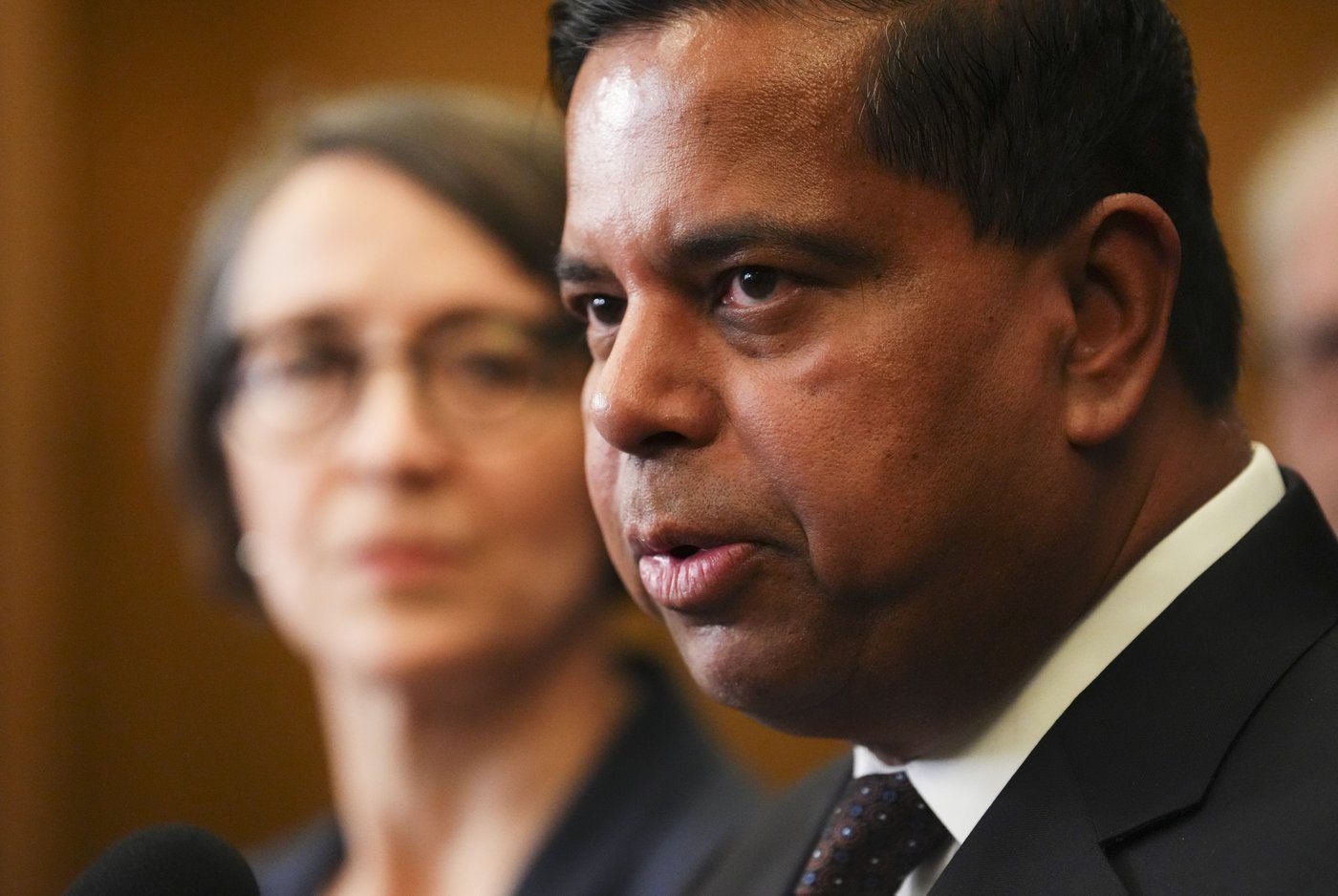
“We were told that blanket rezoning would be the solution to affordability challenges; we were told it would build a certain amount of units in the city,” Farkas told reporters outside council chambers.
“And what we see in terms of the evidence is that actually hasn’t borne out.”
Dozens of communities across Canada have amended their zoning policies hoping for a piece of the federal housing money offered through the Housing Accelerator Fund.
A report to the city’s infrastructure and planning committee suggests a full repeal of the bylaw could mean the city is non-compliant with its fund agreement.
Farkas said his vote on whether to repeal the bylaw or not won’t rely on the case for funding.
In Calgary, amending its bylaws meant changes to the city’s residential zoning policy, such as allowing more types of homes, like row houses and townhouses in neighbourhoods where only single homes or duplexes were allowed.
When Calgary proposed to amend its zoning policies in 2024, and become eligible for the funding, hundreds of people expressed their opinion in council chambers. Calgary’s decision to follow through drew both ire and celebration.
Opponents in Calgary say that hasn’t worked, arguing the policy needs to be repealed, believing it gives developers free rein to crowd their neighbourhoods with new builds without any improvement on affordability.
Nancy Manchak, a parent and professional engineer in Calgary, said she was disappointed that her family’s largest investment could be swallowed in an area of higher-density units without consultation.
“Diversity is a strength in Calgary, yet blanket rezoning aimed to use a one-size-fits-all policy approach for our future urban planning,” she said.
Proponents of the policy are optimistic about increasing housing supply in exchange for more densely populated communities and argue repealing the policy encourages urban sprawl.
“I suggest that the city needs to anticipate the future and not to repeat the past. The long-term interests of society must predominate over individual landowners,” said Terry Gibson a decades-long resident and co-founder of Condo Owners Forum
Calgary is a high-profile example of an urban municipality looking to roll back zoning bylaws put in place to get ahold of the federal funding, but others lost out on funding for failing to fulfil their agreement with Ottawa.
In an email, a spokesperson for the Canada Mortgage and Housing Corporation said it “expects municipalities to fulfil their commitments and has been working closely with the City (of Calgary) throughout this process. If commitments are not met or are reversed, (Housing Accelerator Fund) funding is at risk.”
In 2023, Calgary estimated more than 84,000 households
were in need of affordable housing options.
Up the road in Red Deer, city council decided against increasing the maximum number of units on residential lots and later had its $12 million agreement cancelled.
In Ontario, both Toronto and Vaughn faced funding cuts because it failed to hit the necessary marks.
This report by The Canadian Press was first published March 23, 2026.
Dayne Patterson, The Canadian Press