dailynewsnblog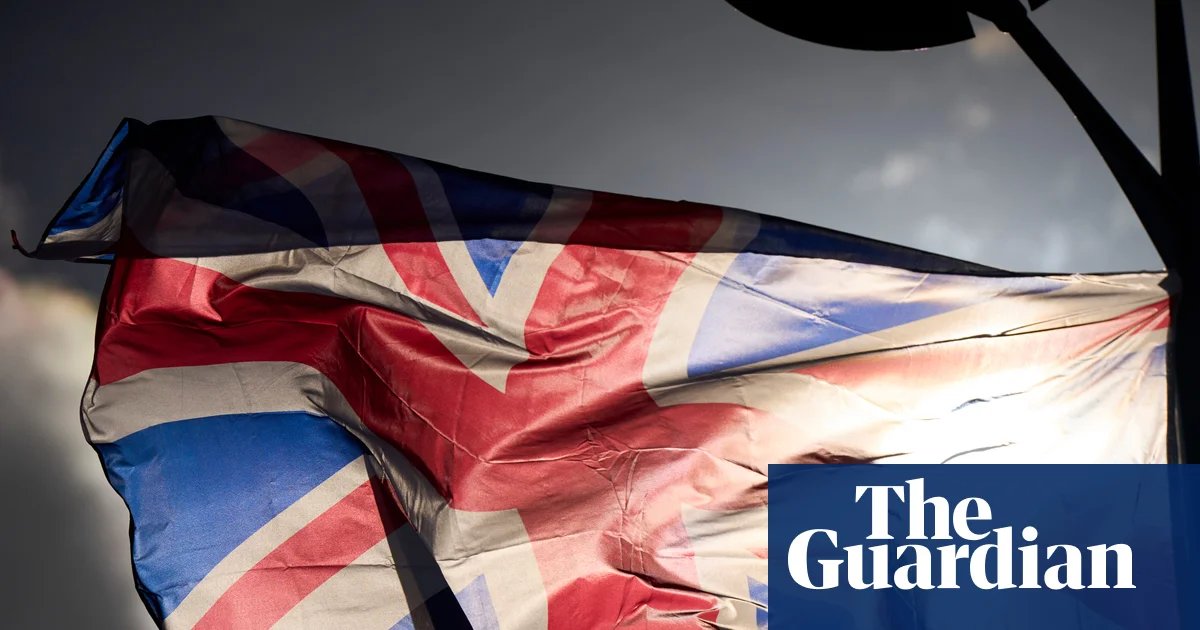
An internal row has broken out within the British Museum over its director’s suggestion of a “red, white and blue” themed ball for 2026, after staff condemned it as “in poor taste” following the rise in flag-hoisting across the UK.
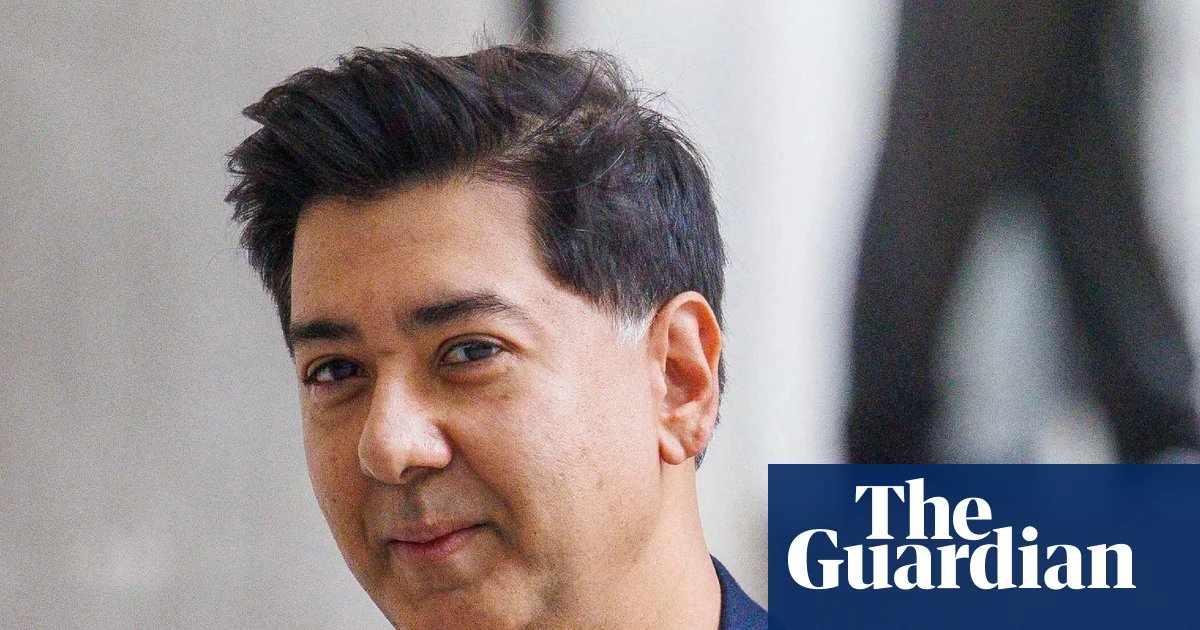
Nicholas Cullinan, the director of the 272-year-old museum, has proposed a colour theme based on the union jack and French tricolore to mark next year’s loan of the Bayeux tapestry from Normandy.
The suggestion has led to concerns being raised by staff within the museum’s curatorial and administrative departments, the Guardian understands.
“It has been brought up to the director as well as other senior members of staff that this is in poor taste due to the current far-right flag campaigns around the country,” a source said.
Since the summer, union jacks and other flags of the four nations of the UK have been hoisted from windows, bridges and lamp-posts in what has been described by some as a celebration of Britishness.
But concerns have been raised about the motivation of some of those involved. One group behind the hoisting of flags, named Operation Raise the Colours, accepted a donation from Britain First, a far-right party with an openly anti-Islam, anti-immigration agenda.
The British Museum hosted a successful inaugural fundraising ball in October with a “pink theme”, a nod to the colours and light in India, that was attended by 8,000 people, with tickets costing £2,000 a go.
Those who attended in October included Naomi Campbell, Alexa Chung, Miuccia Prada, Manolo Blahnik, Sir Steve McQueen, Sir Grayson Perry and Dame Kristin Scott Thomas.
Cullinan, who was born in Connecticut to British parents but brought up in Hebden Bridge, West Yorkshire, has said he hoped that the annual celebration will become a “flagship national event”.
Described as a “brilliant fundraiser”, Cullinan has nevertheless already faced opposition from inside and outside the institution.
The first ball was co-chaired by Isha Ambani, an Indian “businesswoman, philanthropist and arts patron”. She is the daughter of Asia’s richest man, Mukesh Ambani, who owns a petrochemicals conglomerate, Reliance Industries.
The campaign group Culture Unstained has criticised the association of the Ambani family, “whose wealth comes in large part from the fossil fuel and petrochemical projects of Reliance Industries”.
Prof Nick Groom, author of The Union Jack: The Story of the British Flag, said the British Museum should be encouraged to go ahead with its plans despite the concerns raised.
He said: “If the British Museum is reconsidering plans for a red, white and blue themed ball next year to celebrate the international concord between the UK and France in exhibiting the Bayeux tapestry in London, then it is not just abdicating its responsibilities as a national institution to safeguard our history, but will effectively be complicit in the politicisation of the union jack – which would open the door to over 400 years of that history being rewritten by the far right.
“And in any case, communities will still need symbols of unity – so what will the union jack be replaced by?
“We are all accountable here, charged with maintaining and recognising the complexities and indeed contradictions of national symbols.
“The only way is to resist simplistic politics that seek to impose one crude meaning on the flag and engage with its diverse history – a history that we can both celebrate and, where appropriate, censure.”
Groom added: “George Orwell got it right when he castigated the ‘Bloomsbury highbrow’ for divorcing intelligence from patriotism and treating the expression of national identity as brutish: ‘If you were an intellectual you sniggered at the union jack and regarded physical courage as barbarous.’
“That was in 1941, at the height of the Blitz bombing raids on British and Irish cities that killed over 43,500 civilians (about the population of Salisbury) when Britain faced the very real possibility of a Nazi invasion.”
A British Museum spokesperson said: “The inaugural ball was a landmark moment in the museum’s history that secured over £2.5m vital funding for its international partnerships.
“We are excited to follow up this year’s success with a ball in autumn 2026 and will announce more details in due course.”