dailynewsnblog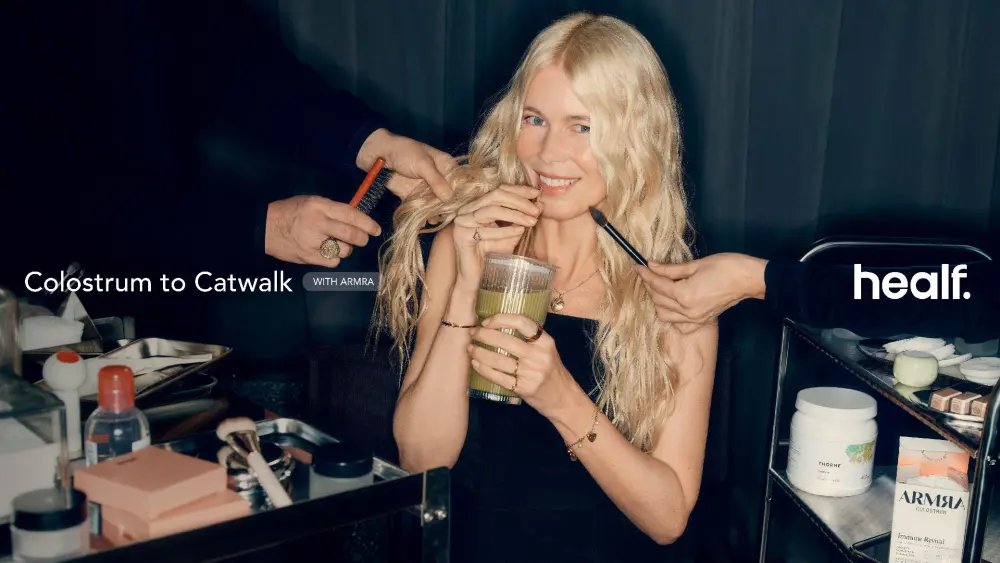
LONDON — Community-building for the sake of it is no longer a strategy for brands seeking sustainable growth, according to a new report by Iris Ventures, a private equity firm that specializes in beauty, health, wellness and lifestyle.
In an increasingly crowded market where customer acquisition is becoming more expensive, brands should be thinking in a more nuanced way about the needs of their customers, and speaking to them differently, according to “Beyond Community: How Brands Build Belonging,” which will be published on Friday.
The report looks at the changing needs of the consumer, and why it’s important for them to have meaningful, enriching experiences that have little to do with actual consumption, or social media opportunities.
Montse Suarez, founder and managing partner at Iris, said creating and building community is a given and that brands now have to dig much deeper if they want to be successful.
“The brands creating the most durable value are not those with the largest audiences, but those that build culture and make people feel part of something,” she said.

An ad for Saysh, the footwear brand for women founded by Allyson Felix.
Marta Indeka, head of research at Iris, said consumers nowadays expect more from real-life experiences than a content capture opportunity or product sampling.
“Formats that work entail participation, shared effort or a sense of transformation — where brands don’t just bring people together, but give them something meaningful to do,” said Indeka.
The 20-page report argues that brands with strong cultural pull “consistently generate higher repeat rates, lower-paid acquisition dependency, and greater resilience to competitive pressure. Belonging creates compounding returns.”
It also argues that culturally relevant brands need to be “hosts, not heroes,” and shape how people see themselves — and each other. They need to ask themselves, “What kind of behavior does our brand enable, repeat and reward?”

A campaign image for Maurten, a company that makes energy gels for endurance sports and is part of the Iris Ventures portfolio.
The report said when people do something that matters to them, and find others doing the same, “they stop being customers and start being members. That’s when a brand becomes a moat.”
Some of Iris Ventures’ companies have forged deeper connections and dug a “moat” for their communities.
In October, the health and wellness platform Healf launched HX25 at 180 Studios, London. It was Europe’s first fully immersive well-being event, drawing more than 5,000 attendees across three days. Participants could take part in talks, therapies and workshops targeting physical, mental and emotional wellbeing.
The Iris report also pointed to its hair-focused brands, Goddess and Olistic, which are growing quickly because each chose to cultivate a specific audience.
“By making the hairstylist community the brand’s primary cultural engine, Goddess has built distribution through professional trust. By working closely with the pharmacy community, Olistic,” has done something similar.
“In a category crowded with wellness noise, professional endorsement is a genuine moat,” the report said.

Goddess hair products.
george evan
Sometimes, as in the case of Saysh, the moat was already there. The brand just needed to discover it.
Iris pointed out that when Nike offered Saysh’s founder Allyson Felix, one of the most decorated Olympians in history, a 70 percent pay cut after pregnancy, “it confirmed what millions of women already knew: the systems weren’t built for them.”
Felix and her brother Wes founded Saysh as a direct response to that experience, creating performance footwear engineered specifically for women’s anatomy.
“The community didn’t need to be built. It already existed — every woman who had watched Allyson compete and resonated with her frustrations coalesced around her mission,” the report argues.
Looking ahead, Iris believes the brands that will earn the deepest loyalty in the coming decade “will not be the loudest. They will be the most necessary.”
The findings dovetail with an overall move away from tangible to intangible luxury, and nod to the growing importance of culture, and meaning, as part of the overall brand experience.
Brands ranging from Ferrari to Mytheresa already understand the value of cultural, thought-provoking experiences to their customers, be they factory tours, interviews with designers or workshops that offer skills and insights.