dailynewsnblog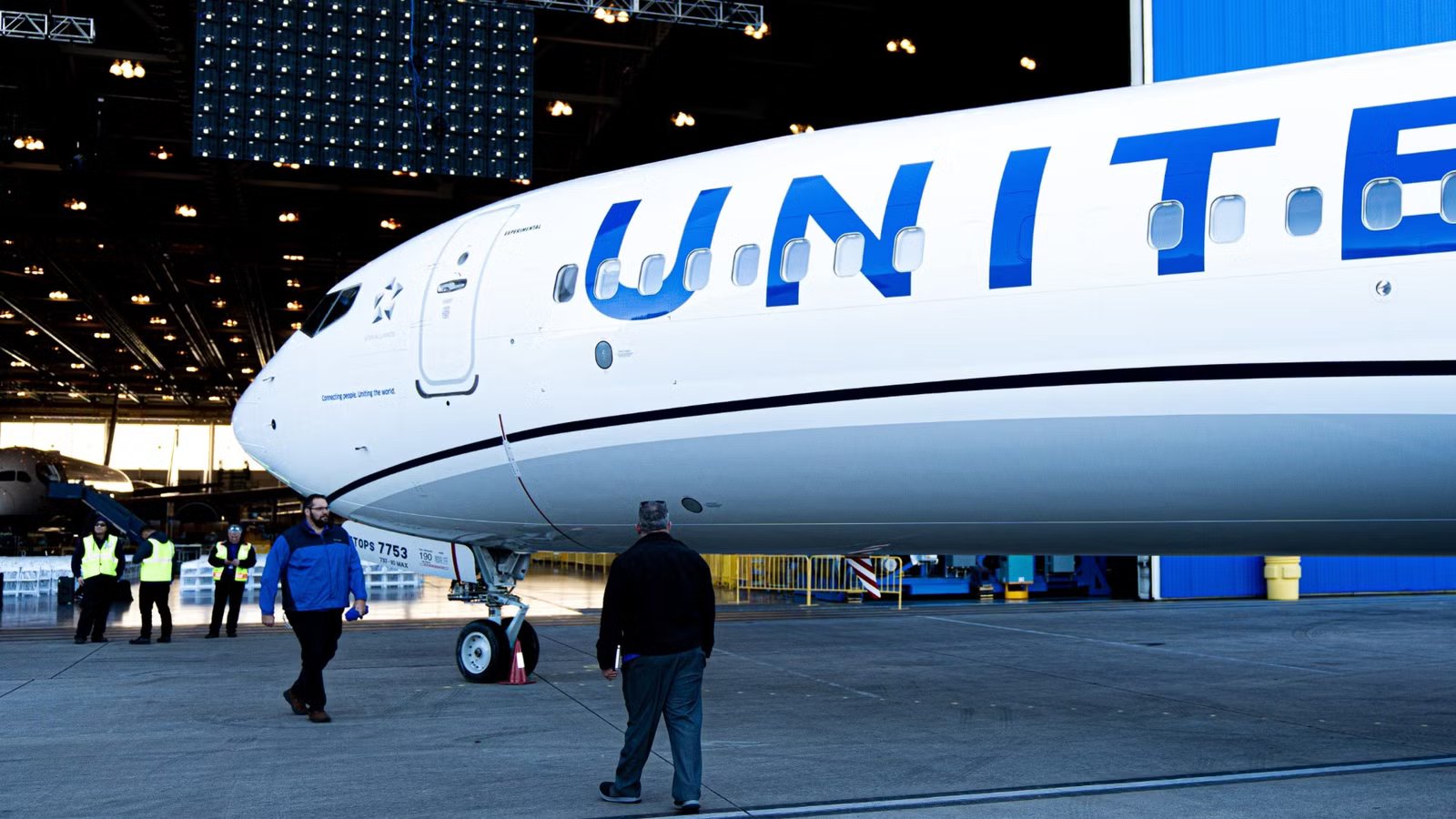
The legendary American plane maker,  Boeing, is currently striving toward certifying the 737 MAX 10 in the second half of this year. The jet will be the largest of the four models in the latest and greatest in the 737 family tree. Finally nearing production years after its initially anticipated launch, Boeing has a lot of catching up to do.
Major airline customers like  United Airlines, Ryanair, and WestJet, which have hundreds of orders, currently expect the MAX 10 to enter commercial service in late 2026 or early 2027. In order to fill the enormous order book, Boeing is consolidating operations from Moses Lake and Renton to its Everett factory where it is opening a fourth assembly line, according to the Seattle Times.
Certifying The MAX 10: On Final Approach

Earlier this year, the Federal Aviation Administration advanced the certification of the MAX 10 to the second phase of type inspection authorization. This series of flight testing will allow the FAA to evaluate avionics and propulsion on board. The technical sticking point has been the engine anti-ice system but Boeing has implemented an engineering solution that is expected to clear testing. Once the full battery of checks is complete, Boeing aims to move on to production in the summer of 2026.
The engine anti-ice issue has afflicted all models of the 737 MAX family. The 737 MAX 8 and MAX 9 were already in production, and many were already in service when it was found to be a problem. Prolonged running in dry air during taxi or ground operations can cause overheating, leading to structural damage in worst-case scenarios. The aircraft and service were allowed to continue operations with changes to operator instructions, but the 737 MAX 7 and MAX 10 have not been approved for full-rate production until an engineering solution is resolved.
As the MAX 10 approaches the day of certification, Boeing is making major preparations at the primary facility where the 737 MAX is manufactured: Everett, Washington. Boeing employees are being reassigned to the facility and executives at the company have said that the atmosphere on the factory floor is showing signs of growing anticipation and enthusiasm for the next installment in the jet series. Boeing Chief Financial Officer Jay Malave told the Seattle Times:
“I just saw a change, really, a level of enthusiasm, because employees started to believe that we could recover. High turnover really hasn’t been an issue for us for a little while now.”
The Long-Awaited Arrival Of The 737 MAX 10

To comply with Congressional mandates, the MAX 10 features a synthetic-enhanced angle-of-attack (AoA) system. This provides a third data point to cross-check sensor accuracy and includes a way for pilots to silence certain alerts during abnormal events. This change was implemented as a direct response to the software-induced failures of Lion Air and Ethiopian Airlines jets that crashed, killing almost 350 people.
Following the disastrous events of 2019 and the tragic loss of life that resulted from the crash of two 737 MAX 8 jets, the final two variants in the series have had their certification delayed as technical scrutiny was dramatically increased. In the meantime, the Airbus A320 series has surpassed the Boeing 737 as the best-selling airliner in history. The MAX 10 is expected to be crucial in closing this gap once again.
The FAA authorized the company to begin producing 42 examples of the 737 MAX late last year, the highest number per month that has been authorized since heightened scrutiny was implemented over the assembly line. Boeing is aiming to increase that number to 47 deliveries this year, and once again increase monthly output for a higher figure after the MAX 10 is certified.

The Great Reroute: How Boeing Is Moving Parts Around A War Zone
Boeing is reviewing supply chain risks as Middle East conflict disrupts key routes, raising costs and threatening aircraft production timelines.
The Most Popular Airliner Not In Service

The 737 MAX 10 offers an exceptionally high fuel efficiency for an aircraft with its large capacity, making it one of the most anticipated next-generation narrow-body jetliners in aviation history. Even as recently as January of this year, American Airlines increased its total backlog with an additional 105 firm orders and an option for 35 more. United Airlines currently has a massive order of 167, and Ryanair has a firm order for 150 with an option for up to 300.
The 230 seat capacity of the jet makes it an exceptionally valuable hub-to-hub single aisle. Airlines are also sticking with their orders because Airbus A321neo delivery slots are largely sold out into the 2030s. Operators already using the 737 MAX 8 or 9 also benefit from common pilot training and maintenance. For carriers looking to modernize their fleets, the MAX 10 can’t come soon enough.