dailynewsnblog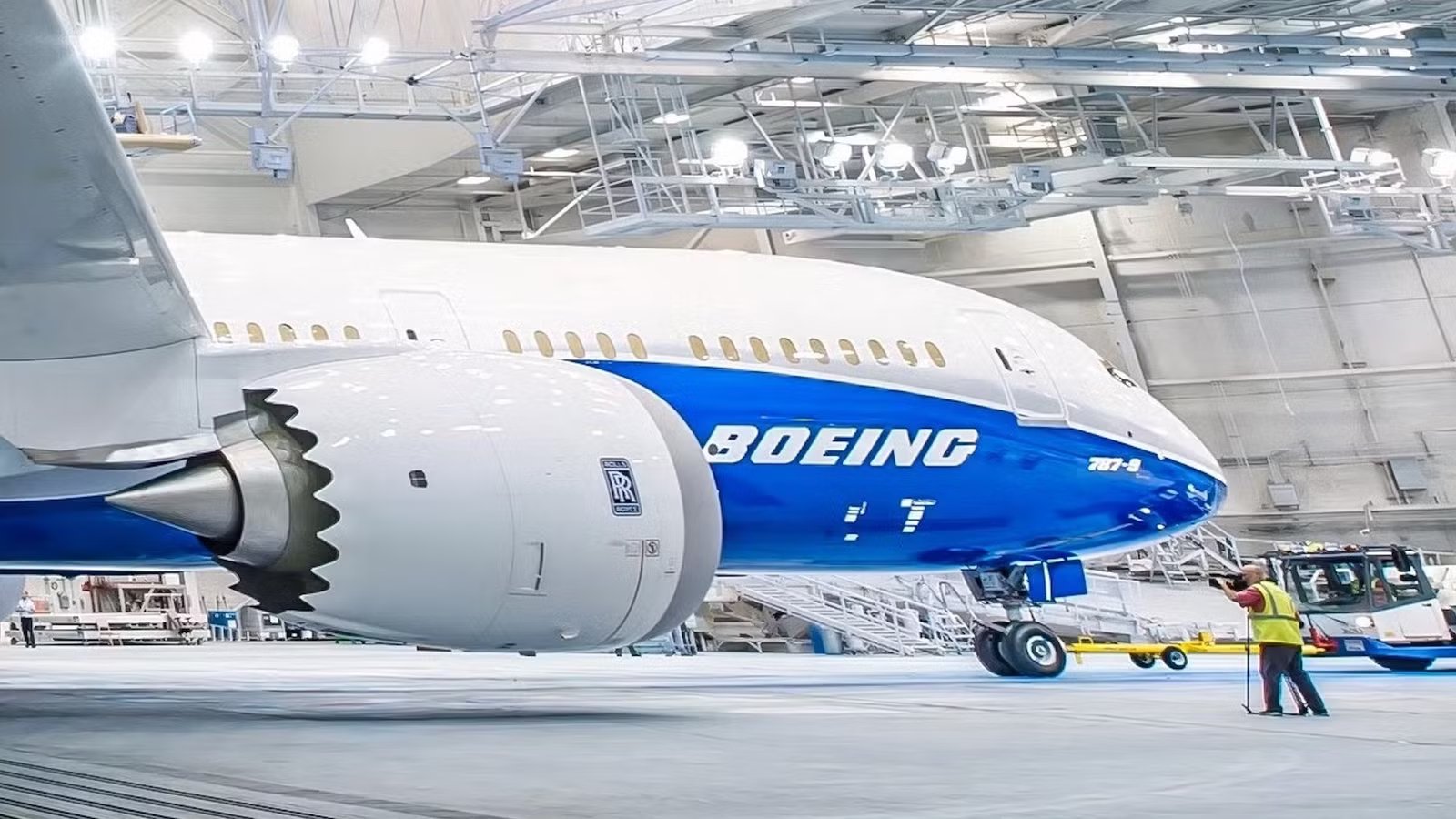
US-based aerospace giant  Boeing has locked in another important win for its Boeing 787 program, with Air Astana finalizing an order for up to 15 Dreamliners that was first announced as a commitment last November. The deal reinforces the Boeing 787-9’s role as the midsized widebody workhorse at a moment when Boeing is stacking fresh twin-aisle momentum, following recent Dreamliner orders from Delta Air Lines and Ethiopian Airlines.
When it comes to Air Astana, the agreement accelerates a long-haul pivot away from older Boeing 767 models and toward a larger, more standardized Boeing 787 fleet, potentially including up to 18 aircraft if you count three that are arriving through lessors. It also underlines the extended appetite that airlines have for fuel-efficient widebodies as international markets continue to normalize.
A Momentous Order For Both Sides

Air Astana’s finalized deal covers the Boeing 787-9, with up to 15 jets that convert the airline’s November 2025 commitment into a firm program. Air Astana has described the package as five firm positions in addition to five options and five purchase rights, creating flexibility to scale the fleet as demand and financing may allow.
Separately, three Boeing 787-9 jets are due to arrive at the carrier over the next two years from lessors, meaning that the airline’s total set of Dreamliner commitments could soon reach 18 jets. The airline has said that the newly ordered aircraft are slated for delivery between 2032 and 2035, a long lead-time that nicely fits into Boeing’s tight widebody production window. The dynamic aircraft is capable of seating around 303 passengers in a standard two-class configuration. In a statement, Boeing described the deal in relatively simple terms:
“Boeing and Air Astana JSC announced today the Kazakhstan flag carrier has finalized an order for up to 15 787 Dreamliner jets to grow and modernize its Boeing widebody fleet. The agreement for additional 787-9 airplanes will enable Air Astana to expand its operations and enhance its passengers’ experience.”
What Does All Of This Mean For Boeing?

For Boeing, the finalization of this deal with  Air Astana is further proof that the Dreamliner franchise will continue to drive commercial momentum for the manufacturer as the company continues to work through certification scrutiny for its newer program. Widebody orders are especially valuable because they lock in long-duration production slots, aftermarket revenue, and customer relationships that are capable of lasting decades.
Coming after Delta’s first direct Boeing 787 purchase for up to 60 787-10 models and Ethiopian’s order for nine Dreamliners, this Kazakhstan deal adds to the drumbeat of twin-aisle wins that continue to position the jet as the market’s flexible long-haul platform. It also supports Boeing’s efforts to keep Dreamliner production rates rising.
Boeing has continued to invest in its Charleston footprint amid a large Dreamliner backlog. Strategically, every incremental widebody contract helps Boeing defend its share against the Airbus A330neo and the smaller A350 family variants. This all comes as the manufacturer attempts to continue building investor confidence in its core commercial business.

Boeing Receives Order For 15 787 Dreamliners From Air Astana
Another big widebody order for the American planemaker.
What Does All Of This Mean For Air Astana?

For Air Astana, the finalized Dreamliner order is a statement that the carrier wants to be a true long-haul connector for routes to and from Central Asia, not just a regional feeder for service to nearby nations. The Boeing 787-9’s range and economics give it a clean path to retire its three 767s and open thicker routes to Europe and Asia while adding nonstop reach to new markets.
Boeing has explicitly pointed to North America as a future opportunity for the type. This structure also matters, with three Boeing 787-9s arriving through lessors in the next 24 months. These leased models provide near-term capacity and product upgrades, while the latter stream of deliveries will allow the airline to pace its growth with traffic trends, capital availability, and airport slot access.
A larger single-type Boeing 787 fleet can simplify crew training, maintenance planning, and cabin consistency, ultimately strengthening the premium proposition on long sectors. The trade-off is long lead times, leaving interim growth dependent on lessor availability and pricing across the board.