dailynewsnblog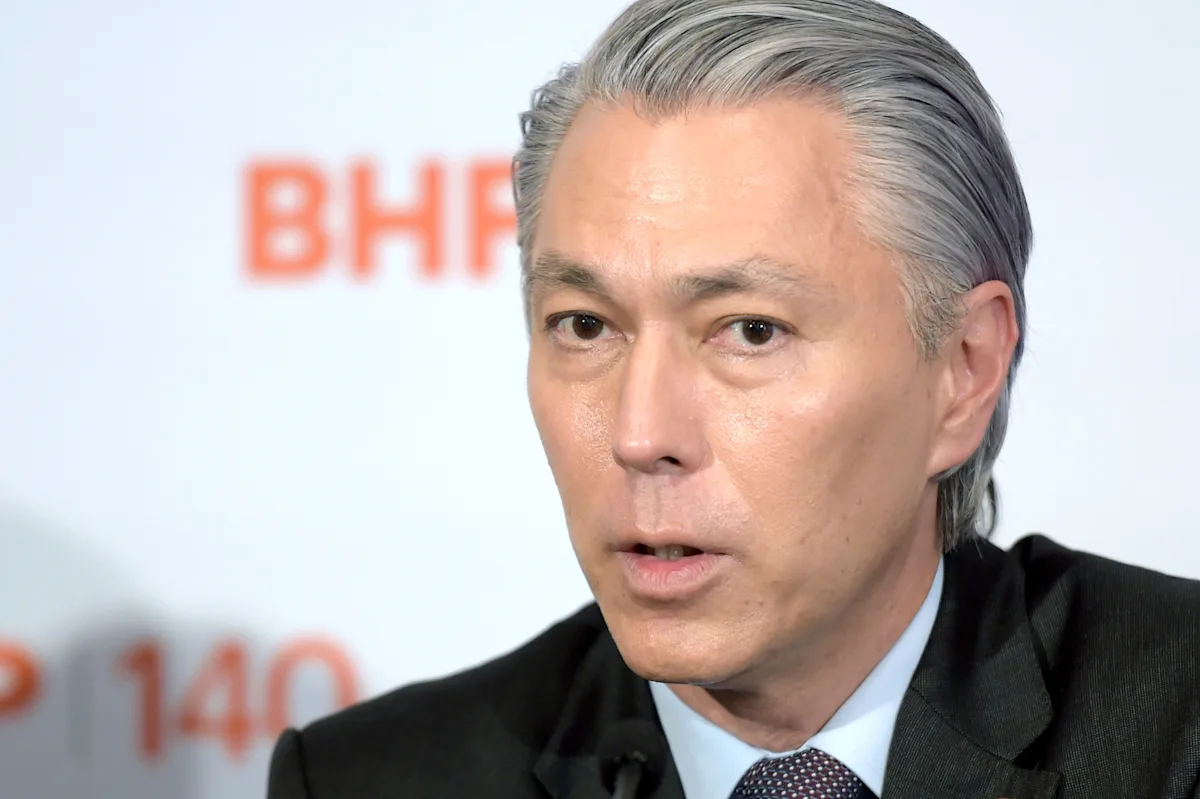

(Bloomberg) — BHP Group is selling a $2 billion stake in the power network that supplies its vast iron ore operations in the Pilbara region of Western Australia, as it seeks to channel funds into priority areas such as copper.
The mining giant will sell almost half of its 85% interest in the power network to BlackRock Inc.’s Global Infrastructure Partners LP and pay a tariff linked to its stake over a 25-year period, BHP said in a statement Tuesday.
Most Read from Bloomberg
Major miners are seeking to divest non-core assets as they focus on growth while reining in spending. BHP first flagged its intention to sell interests in infrastructure in August, saying it would recycle capital into higher-return growth opportunities, a sentiment echoed last week by its biggest rival, Rio Tinto Group.
“The deal increases the likelihood of additional capital-efficient recycling across BHP’s wide infrastructure portfolio in coming years,” RBC Capital Markets LLC analyst Kaan Peker said in a note.
The Perth-based company will maintain full control over the electricity network, which includes the Yarnima gas-fired power station and more than 400 kilometers (249 miles) of transmission lines and substations. The deal is expected to close next year.
The agreement with GIP “enables BHP to access capital and maintain operational and strategic control” of the energy network, BHP Chief Executive Officer Mike Henry said in the statement. The company’s shares slipped 0.4% to close at A$44.30 ($29.45) in Sydney on Tuesday.
Rio has said it would release $5 billion to $10 billion in “cash proceeds” from its asset base through divestments. About half of that will come from the sale of its titanium and borates business, but the remainder is likely to be from infrastructure it uses but doesn’t need to own. Any capital raised will help fund plans to ramp up a series of massive new copper and iron ore mines.
Elsewhere, Mineral Resources Ltd., a mid-sized Australian miner, last year took similar measures, selling a 49% interest in the 150-kilometer haul road between its Onslow Iron mine and its export terminal to Morgan Stanley Infrastructure Partners — agreeing to pay a toll to use it.
BHP hasn’t yet said whether it’s considering selling a stake in its rail network, which spans more than 1,000 kilometers, as it looks to fund capital expenditure of about $10 billion each year for the remainder of the decade.