dailynewsnblog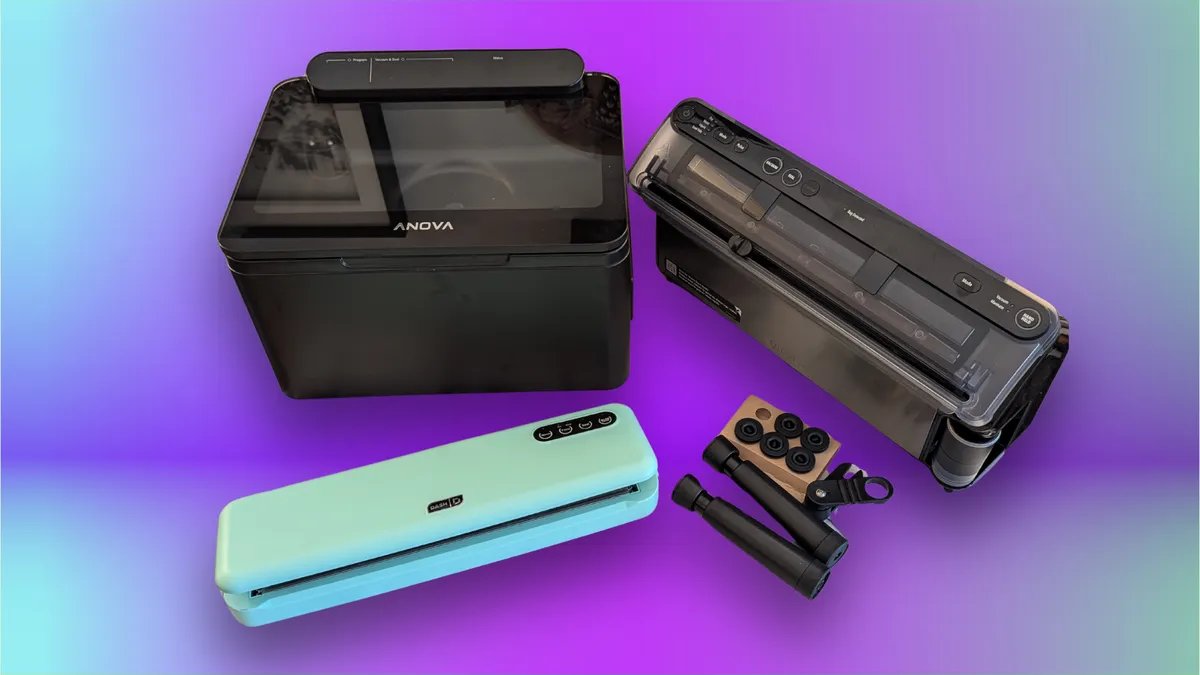
Type of vacuum sealers
Vacuum sealers basically come in four different levels: starter models, the functions of which include basically “vacuum” and “seal;” upgraded models that have additional features such as “pulse,” “marinate,” or “infuse” functions; chamber vacuum sealers that can also accommodate cans; and handheld models that work with resealable bags that have a port available to draw the air out.
While all of the vacuum sealers I tested were able to perform the vacuum and seal functions pretty consistently, ease of use, and power and control of suction tended to be deciding factors. I think the models that have a “pulse” function are generally worth the extra coin. Controlling the vacuum is really important when it comes to delicate foods. (There was a noticeable difference when sealing rice cereal, which was audibly crushed by the sealers without a pulse option.) If you’re mostly sealing proteins for freezer storage, that won’t much matter.
Vacuum sealer size
Vacuum sealers can be as small as something that fits in a drawer, to models that will require serious countertop or shelf real estate, which may be a determining factor for you. Some have a compartment within the structure to keep a bag roll, while some smaller models do not.
Vacuum sealer bag size
Those vacuum sealers that come with bag rolls allow you to create custom-size bags, while some models rely on precut, or resealable bags of a couple of different sizes.