dailynewsnblog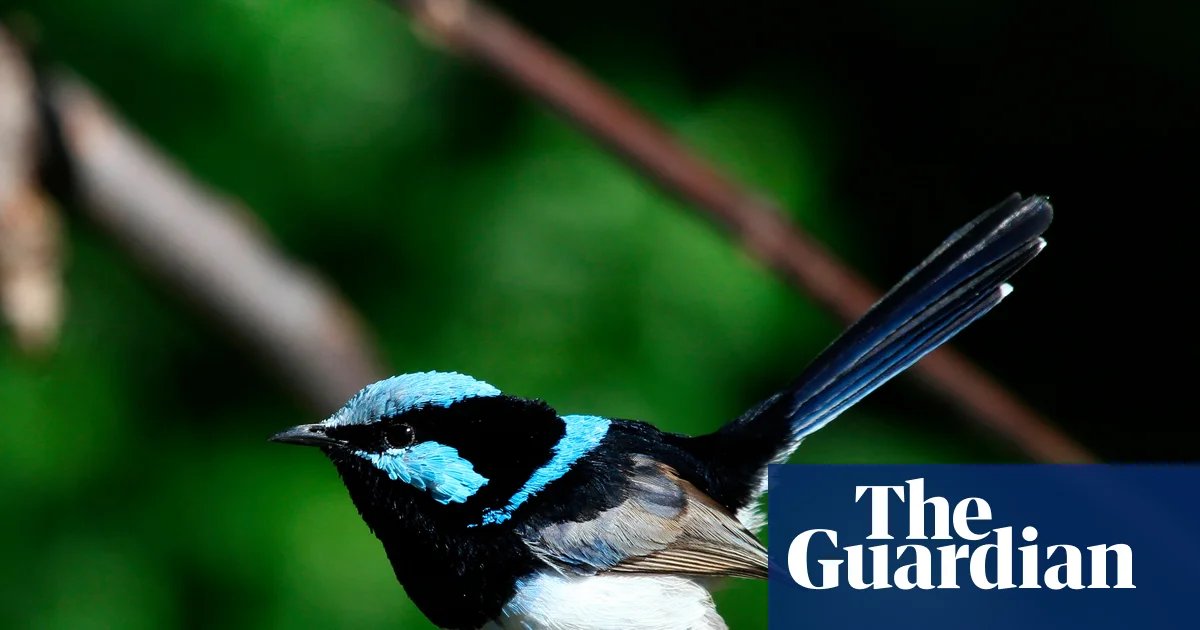
A common and well-loved bird of bush and garden could go extinct within 30-40 years due to the weather impacts of climate change, researchers say.
Data derived from nearly 30 years of weekly observations tracked the lives of superb fairy wrens in Canberra’s botanic gardens, noting the changing weather’s impacts on them.
The wren was twice voted Australia’s favourite bird, in the 2013 and the 2021 Guardian/BirdLife Australia bird of the year polls.
However researchers warn it might be a “canary in a coalmine” for many lesser-known species facing similar climate change threats.
James Cook University ecologist Martijn van de Pol was the senior author of the study, conducted with the Australian National University and Hainan University in China.
The longtime observations by researcher Helen Osmond showed that impacts of different types of weather had a cumulative effect on the birds’ survival prospects, Van de Pol said.
“What’s really dangerous for these birds is that there are all these climate impacts throughout the year and together they start to add up and affect them.
“We suspect it will be the case in other common species but we don’t have the detailed data for them.”
The superb wren was a common species but now the researchers predict it will go extinct very quickly.
The paper found “population extinction is likely to happen very fast; within the next 30–40 years in the intermediate and very high [carbon] emission scenario”.
“Using various climate models, we found that human-induced climate change is likely to cause a high risk of population extinction within the next 50 years, even with optimistic emission scenarios,” Van de Pol said.
“The wren suffered low breeding success during dry springs and reduced adult survival following unusually warm winters and hot summers.”
People thought rare birds were the ones to be concerned about, he said.
“But the common species are also declining a lot and we might need to start worrying about them as well.”
The findings echo widespread declines in insect-eating birds across Europe and North America, where species reliant on that food source have suffered the steepest losses as insect numbers decline.



![Air Canada’s New Very High-Capacity 440-Seat Boeing 777s [Full Route List & Map]](https://dailynewsnblog.com/wp-content/uploads/2026/03/air-canada-boeing-777-300er-about-to-touchdown-1.jpg)