dailynewsnblog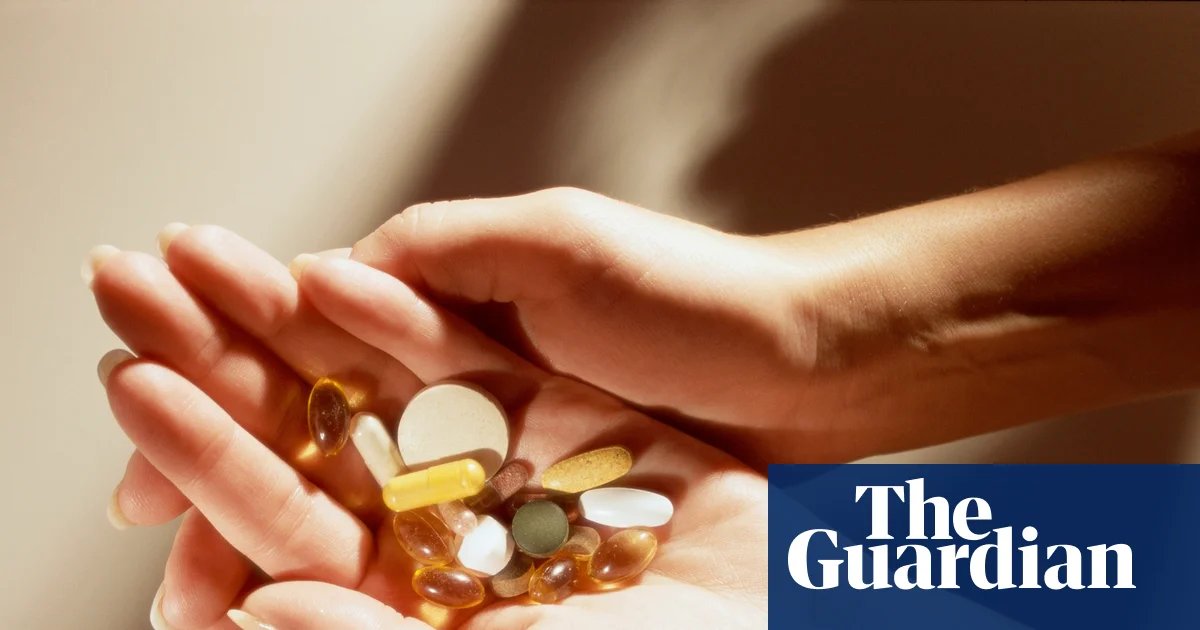
Prof Geraldine Moses was speaking to a nurse who told her something concerning: patients with kidney failure were taking “iron supplements” that contained almost no iron.
Patients on kidney dialysis often need iron supplements because the disease reduces the body’s ability to produce red blood cells, leading to iron deficiency and anaemia.
Moses, a doctor of clinical pharmacy specialising in drugs information, said it came as no surprise to her because of the proliferation of what she describes as “useless” and “ineffective” iron products.
Sold online, in supermarkets and by other retailers, the tablets contain minuscule amounts – 5mg or less per serve – of elemental iron, but are marketed in a way that implies they can treat iron deficiency.
Sign up: AU Breaking News email
Moses said some low-dose products market themselves as “gentle on the stomach”, when the real reason they don’t cause an upset is that “there’s barely any iron” in them.
“You see powders, liquids, tablets and even expensive sachets of so-called iron-infused water that have little more iron than a bowl of cornflakes or a slice of bread,” she said.
“Women especially might need to take iron because they lose a lot of blood through menstruation or pregnancy. But if [a woman] goes to the shops and picks up a product that says it’s an iron supplement and there’s almost bloody nothing in it, her iron deficiency won’t get any better.”
It is a concern shared by Royal Australian College of Physicians president Prof Jennifer Martin, who echoed Moses’ call for Australia’s drugs regulator, the Therapeutic Goods Administration (TGA), to introduce stronger oversight of supplements and their marketing.
“Many iron supplements are considered ‘food-supplements’ or ‘listed medications’ by the TGA and, as such, there’s much less of a requirement to prove their efficacy compared to prescription-only or ‘registered’ medications,” said Martin, who is a senior physician and a clinical pharmacologist.
“An immediate solution is for doctors to specify exactly which product they want patients to use when prescribing iron, and for patients to clarify with their doctor if they are unsure. But ultimately, there does need to be better regulatory oversight of supplements and the way they are marketed.”
For iron deficiency anaemia, Australian Red Cross Lifeblood recommends 100–200 mg of elemental iron daily. This can be taken in separate doses.
Its website states: “There are more than 100 iron containing preparations available over the counter in Australia but few contain a therapeutic dose for the treatment of iron deficiency anaemia.
“Multivitamin-mineral supplements should be avoided because the elemental iron content is low (frequently 5 mg or less) and they may contain other ingredients that limit absorption.”
after newsletter promotion
Moses, who is also an adjunct associate professor with the University of Queensland’s School of Pharmacy, said several of the low-dose products causing concern were already regulated as medicines.
“It does not make sense for the TGA to permit these products to make claims that they prevent iron deficiency or call themselves iron supplements.”
A spokesperson for the TGA did not directly answer Guardian Australia’s questions about whether it had concerns these products may mislead consumers. The spokesperson said the TGA was “not planning such activity at this time” in terms of minimum therapeutic dose requirements or enhanced oversight of low-dose iron supplements.
In the meantime, Martin said there needed to be greater regulation of pharmacies and more transparency around who was sponsoring products gaining TGA registration.
“We need better ways to ensure people know the differences between treatments backed by evidence and those that aren’t – particularly what information pharmacies should be giving people about this and when people need to speak to their doctor.”
What to do if you’re concerned about iron intake
-
Always see your GP for testing and advice because other medications, absorption issues and underlying conditions all affect how much iron is needed and how it should be taken.
-
People who are iron deficient usually need between 150mg and 200mg a day of elemental iron. Check the label for “elemental iron” and the amount per dose.
-
Many iron supplements are considered “food-supplements” or “listed medications” by the TGA with less of a requirement to prove their efficacy.
-
Look for an AUST R number if you have been diagnosed with iron deficiency or anaemia – these products are fully evaluated by the TGA for safety, quality and efficacy.
-
And ask your GP for product recommendations.