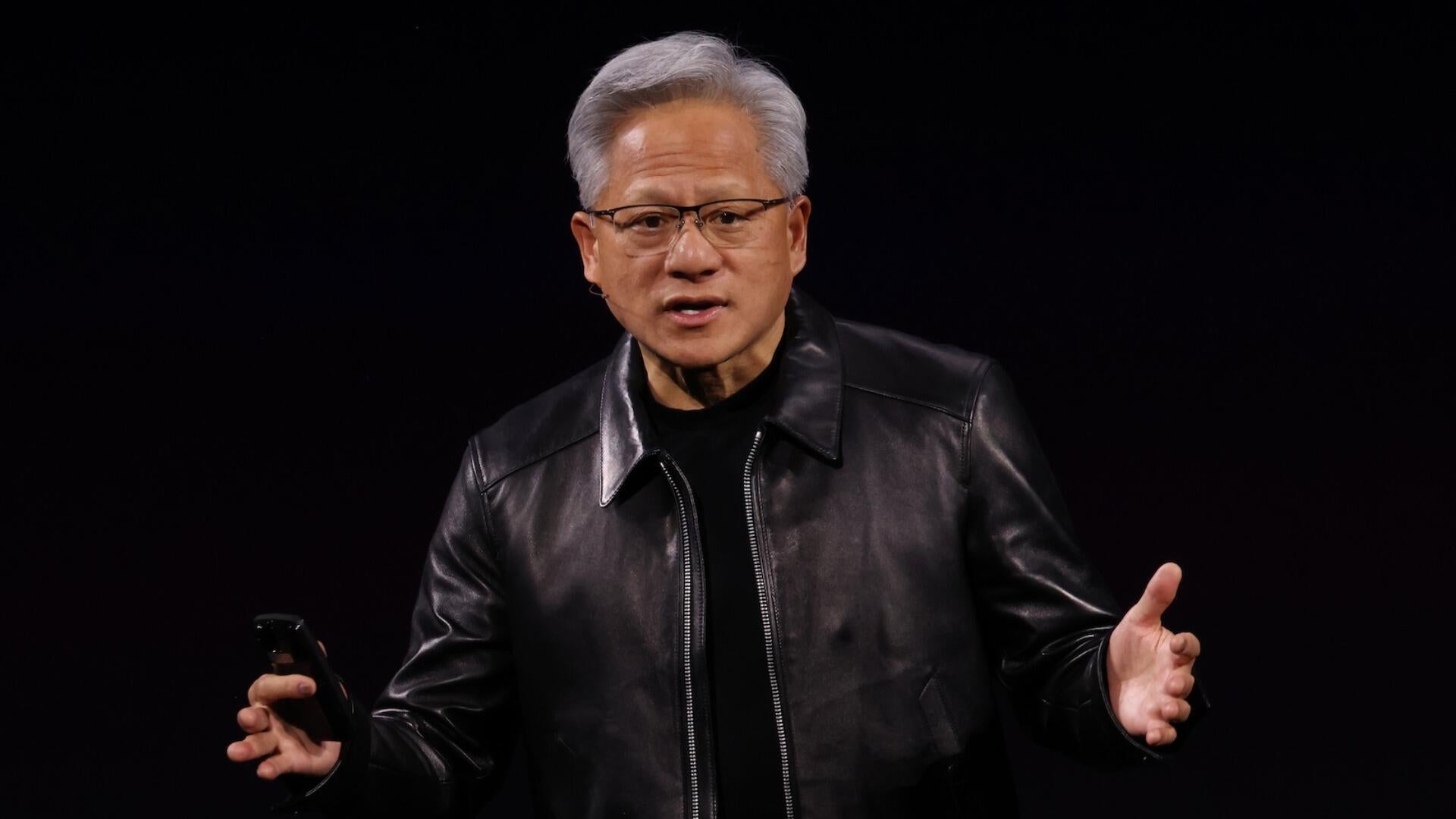
Yoshua Bengio, often hailed as a founding figure of modern artificial intelligence, delivered a stark warning at a recent technology forum in Montreal, emphasizing that the velocity of generative‑AI progress is outpacing societal readiness. He highlighted that the sheer scale of new language models, trained on petabytes of data, introduces vulnerabilities that current safety protocols cannot adequately address.
The remarks came as leading AI firms announced the launch of next‑generation models capable of producing realistic text, images, and audio with minimal human input. These deployments are occurring across North America and Europe, where cloud infrastructure and venture capital are fueling an unprecedented acceleration of AI capabilities. Bengio’s comments were amplified by live‑stream audiences and quickly circulated through major news wires.
In response, several governmental bodies, including the U.S. National Institute of Standards and Technology, issued statements acknowledging the need for stronger oversight, while industry coalitions pledged to develop voluntary safety standards. Civil‑rights groups, however, urged legislators to move beyond voluntary measures, warning that self‑regulation may be insufficient to curb potential harms.
In-Depth Analysis & Key Details
The concerns voiced by Bengio echo a decades‑long tension between AI innovation and safety. Historically, breakthroughs such as back‑propagation and convolutional networks were celebrated for their transformative potential, yet each wave sparked debates over ethical use, data privacy, and job displacement. Today’s generative models represent a qualitative leap, capable of synthesizing content indistinguishable from human output, thereby intensifying the risk of misinformation and deep‑fake proliferation.
Regulatory frameworks remain fragmented. While the European Union is advancing its AI Act, which categorizes high‑risk systems and mandates conformity assessments, the United States has yet to adopt a unified federal policy, relying instead on sector‑specific guidelines. This patchwork creates loopholes that multinational firms can exploit, prompting calls from policy think‑tanks for a coordinated international treaty on AI safety.
Domain experts point out that technical safeguards—such as reinforcement learning from human feedback and model interpretability tools—are still in early development stages. Academic research indicates that even modestly scaled models can exhibit emergent behaviors that are hard to predict, reinforcing Bengio’s assertion that the industry is racing ahead of its own safety nets.
"If we keep sprinting without a safety net, we risk building a technology that outpaces our ability to control it."
Why This Matters & What Lies Ahead
For everyday users, the unchecked spread of powerful generative AI could blur the line between authentic and fabricated content, eroding trust in digital media and influencing public opinion on a massive scale. Businesses that rely on AI for customer interaction may face legal exposure if biased or erroneous outputs lead to discrimination claims or financial loss.
Legislators and regulators are now watching closely as several high‑profile hearings are slated for early next year, including a U.S. Senate committee on AI oversight and a joint EU‑Japan summit on cross‑border AI standards. The outcomes of these deliberations will shape funding for AI‑risk research, dictate compliance requirements for tech giants, and potentially set precedent for global governance of emerging technologies.
Source: Reported by CBS News · Analyzed & Synthesized by DNB Newsroom