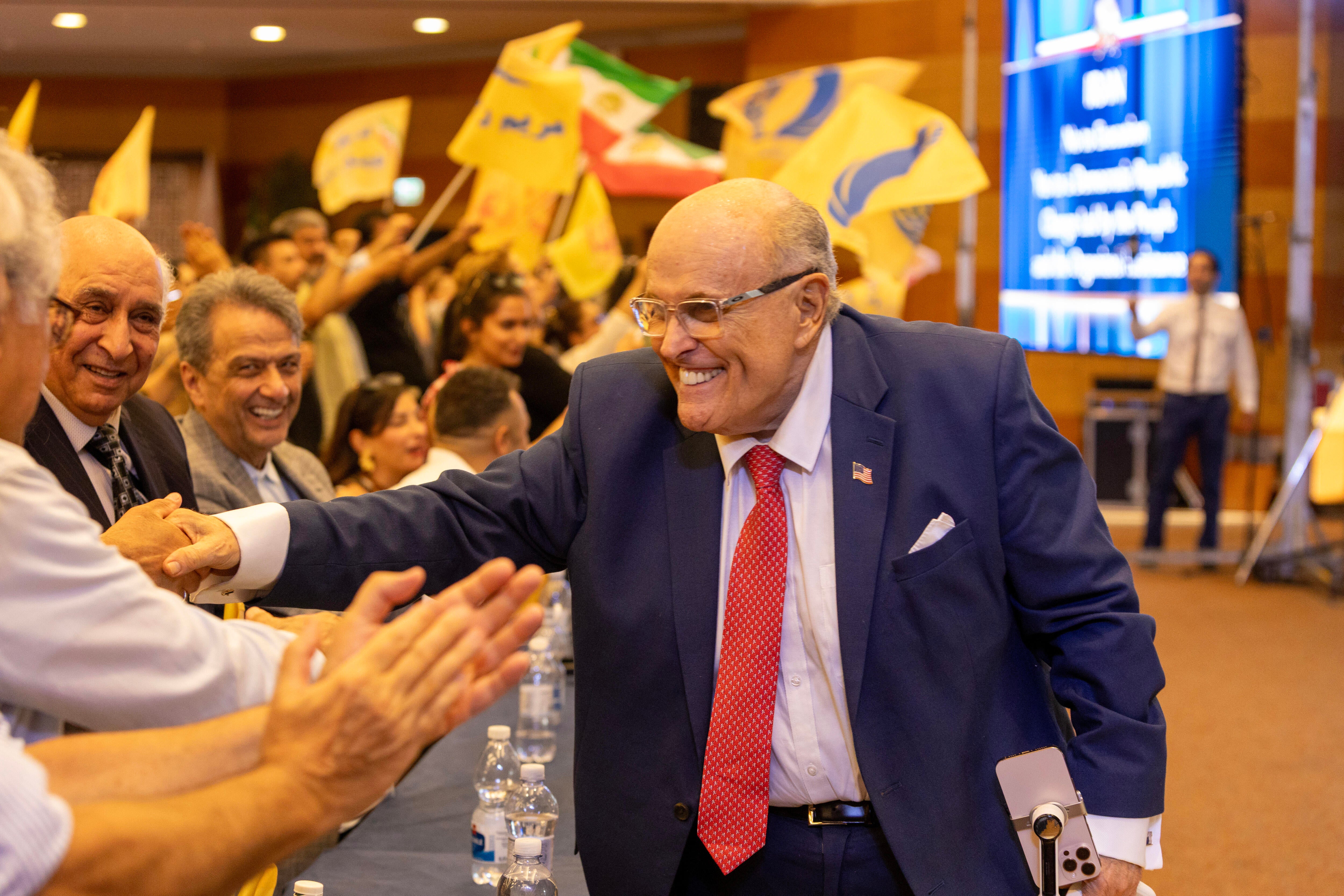
President Donald Trump disclosed on Thursday that he intends to bestow the Presidential Medal of Freedom on Rudy Giuliani, the former New York City mayor who served as Trump’s personal lawyer throughout his presidency. The award ceremony is slated to take place inside the Oval Office, a setting traditionally reserved for highly symbolic recognitions.
The announcement came during a press briefing at the West Wing, where the president emphasized Giuliani’s “unwavering dedication to American values” and his role in “defending the nation’s democratic institutions.” White House officials indicated that the ceremony will be scheduled before the end of the current term, though an exact date has not yet been released.
In response, several members of Congress, including senior Democrats on the House Oversight Committee, issued statements questioning the timing and merit of the honor. Meanwhile, a coalition of veteran advocacy groups urged the administration to consider the broader implications for the medal’s legacy, calling the decision “politically charged.”
In-Depth Analysis & Key Details
The Medal of Freedom, established by President John F. Kennedy in 1963, has historically honored individuals whose contributions transcend partisan lines, ranging from civil rights leaders to pioneering scientists. Over the past two decades, the award’s usage has increasingly reflected the sitting president’s personal priorities, a trend that intensified during the final months of the Trump administration with several high‑profile recognitions.
Giuliani’s prospective award sits at the intersection of legal controversy, media scrutiny, and partisan polarization. His involvement in post‑election litigation and subsequent legal challenges has drawn criticism from both domestic watchdogs and foreign observers, raising questions about the criteria applied in this instance. Regulatory filings indicate that the Office of Presidential Honors is reviewing the nomination under existing executive orders, but no formal advisory panel has been convened.
Industry analysts note that the decision may set a precedent for future administrations to leverage the medal as a tool for political consolidation rather than pure merit. Historical precedents, such as the 2002 award to a controversial defense contractor executive, illustrate how the honor can become a flashpoint for debates over executive discretion and institutional integrity.
"Awarding the Medal of Freedom to Giuliani signals a stark departure from the honor’s traditional bipartisan ethos, turning a symbol of national unity into a partisan statement."
Why This Matters & What Lies Ahead
For everyday Americans, the redefinition of a revered civilian award could erode confidence in the symbols that recognize public service, potentially diminishing the perceived value of future recognitions. The controversy also reverberates through financial markets, where investors monitor political risk indicators; a perceived politicization of honors may influence sentiment toward sectors tied to the award’s recipients.
The coming weeks will see heightened activity on Capitol Hill, with hearings slated by the Senate Committee on Homeland Security and Governmental Affairs to examine the nomination process. Additionally, civil society groups plan to file Freedom of Information Act requests seeking internal memos related to the decision, while legal scholars anticipate court challenges that could test the boundaries of executive authority over civilian awards.
Source: Reported by CBS News · Analyzed & Synthesized by DNB Newsroom