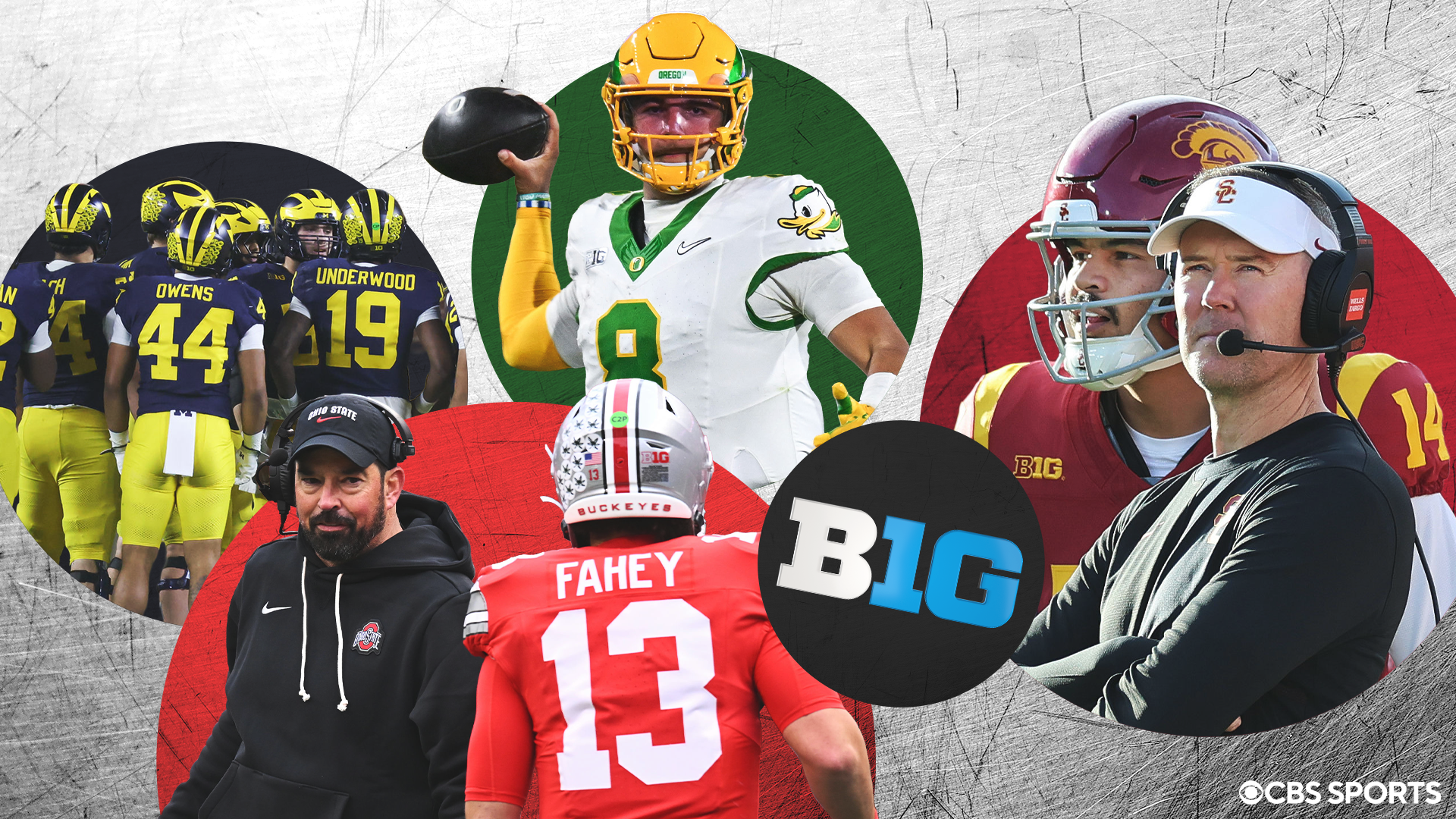
The 2027 college football season is rapidly approaching a critical juncture for the Big Ten Conference, as comprehensive projections reveal a widespread reliance on the transfer portal to fill the most critical position on the field. With the academic year concluding and the offseason intensifying, more than half of the conference's member institutions are expected to actively seek new starting quarterbacks through the portal system. This strategic pivot highlights a growing consensus among coaching staffs that the existing in-house talent pools are insufficient to meet the competitive demands of the upcoming campaign, necessitating immediate and aggressive recruitment efforts to secure viable starters.
The operational implications of this shift are profound, as athletic departments across the conference are preparing for a surge in administrative and financial activity related to player transfers. The geographic spread of these moves will see players relocating across state lines and even regions, disrupting established social and academic networks within the Big Ten. This movement is not isolated to a few struggling programs but is a conference-wide phenomenon, suggesting a systemic reassessment of quarterback depth and readiness across the board. The timing of these decisions, occurring in the weeks leading up to the next season, places immense pressure on staffs to evaluate and integrate new personnel quickly.
While specific institutional declarations vary by program, the collective action points to a unified strategy of external acquisition over internal cultivation for the quarterback position. Coaches and athletic directors are navigating this landscape with a focus on immediate impact, prioritizing players who can assume starting duties with minimal developmental lag. This approach reflects the high-stakes nature of modern college football, where the quarterback is the central figure in offensive production and team morale. The initial responses from stakeholders indicate a cautious optimism that portal talent will bridge the gap left by departing players, though the execution of these plans will be closely scrutinized by fans and analysts alike.
In-Depth Analysis & Key Details
The current trend in quarterback acquisition is rooted in the structural changes brought about by the transfer portal, which has fundamentally altered the dynamics of college football recruiting and roster management. Historically, programs relied on a multi-year development cycle to groom quarterbacks, but the portal has compressed this timeline, creating a market where talent is fluid and transactional. This shift has been driven by the desire for competitive parity and the ability to react to performance shortfalls without waiting for the traditional recruiting cycle. The Big Ten, with its mix of powerhouse programs and emerging contenders, is particularly susceptible to these fluctuations, as the gap between top-tier and mid-tier teams has narrowed due to the equalizing effect of player mobility.
Competing perspectives on this strategy reveal a tension between long-term team building and short-term competitive gains. Some industry analysts argue that relying on transfers can undermine team culture and cohesion, as new players must integrate into established systems with limited time for bonding. Conversely, proponents of the portal strategy contend that in an era of high turnover and intense competition, the ability to acquire proven talent is a necessary competitive advantage. The economic consequences are also significant, as programs must allocate scholarship space and financial resources to attract top portal targets, potentially impacting other positions and future recruiting classes. This dynamic creates a complex decision-making environment where coaches must balance immediate needs with long-term sustainability.
From a domain-specific perspective, the quarterback position is uniquely sensitive to these changes due to its central role in offensive execution and its high visibility in media and fan engagement. The technical intricacies of integrating a new quarterback involve not just physical preparation but also cognitive adaptation to new playbooks and defensive schemes. Industry observers note that the success of these transfers is often correlated with the stability of the coaching staff and the clarity of the offensive system, suggesting that player movement is only one factor in determining on-field success. The broader implications for the Big Ten include a potential realignment of power dynamics, where programs with stronger portal recruitment strategies may gain an edge over those that rely more heavily on in-house development.
"The transfer portal has transformed the quarterback position from a product of long-term cultivation into a commodity of immediate acquisition, forcing Big Ten programs to prioritize speed and certainty over tradition and stability."
Why This Matters & What Lies Ahead
For everyday readers and fans, the widespread reliance on the transfer portal for starting quarterbacks introduces a new layer of unpredictability and excitement to the 2027 season. The ability of teams to rapidly upgrade their rosters means that preseason expectations may be significantly altered by the performance of new arrivals, creating a more dynamic and competitive conference. This shift also has implications for the economic ecosystem of college football, as increased player mobility may drive up the value of top-tier talent and influence the financial models of athletic departments. Fans and stakeholders should expect a season where team identities are more fluid, and the success of individual players is more closely tied to their ability to adapt to new environments.
Key upcoming milestones to monitor include the official announcement of transfer commitments in the coming weeks, which will provide concrete data on the scale and direction of player movement. Additionally, the first few weeks of the 2027 season will be critical in assessing the effectiveness of these new starters, as early performance will set the tone for the rest of the campaign. Regulatory bodies and conference officials may also need to address any emerging issues related to player eligibility and transfer rules, ensuring that the system remains fair and competitive. These developments will shape the narrative of the season and influence future strategic decisions by athletic departments across the Big Ten.
Source: Reported by CBS Sports · Analyzed & Synthesized by DNB Newsroom