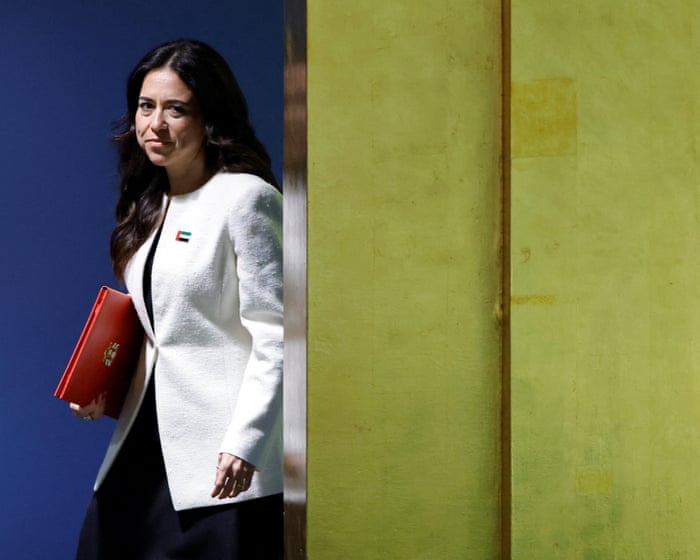
The latest findings, reported by France 24, show that one in five women in the surveyed population has endured economic violence, a form of abuse that can involve controlling finances, restricting employment, or sabotaging credit. The data emerged from a national survey conducted over the past year, with respondents ranging from 18 to 65 years old and representing diverse socioeconomic backgrounds.
The revelations come amid growing pressure from women’s rights advocates to broaden the scope of legal protections beyond physical assault. In several countries, lawmakers are drafting bills that would criminalize economic abuse and provide victims with expedited access to protective orders and restitution. Meanwhile, some jurisdictions are piloting community‑based mediation programs that aim to address financial coercion before it escalates.
In response, the Ministry of Justice issued a statement acknowledging the urgency of the issue and pledged to consult with civil‑society partners to explore legislative options. A spokesperson for the National Association of Women’s Rights highlighted the need for “clear, enforceable statutes that recognize the hidden scars of financial control.”
In-Depth Analysis & Key Details
The rise in reported economic violence reflects a long‑standing blind spot in criminal law, which traditionally prioritizes overt physical harm. Historical analyses indicate that economic abuse has been under‑documented because victims often lack the resources or awareness to seek help, and courts have been slow to recognize financial coercion as a distinct crime.
Regulatory debates now center on balancing punitive measures with preventive support. Some experts argue that criminalizing economic abuse could deter perpetrators, while others caution that over‑criminalization might strain judicial resources and risk penalizing minor infractions. The economic stakes are significant: studies estimate that economic abuse costs societies billions in lost productivity and increased reliance on social services.
Industry analysts note that the push for new legal frameworks dovetails with broader gender‑equity initiatives in the corporate sector, where companies are adopting policies to protect employees from workplace harassment and financial exploitation. These developments signal a convergence of legal, economic, and social reforms aimed at dismantling systemic barriers that enable abuse.
"If we want to end gender‑based violence, we must first recognize that financial control is as lethal as any physical assault."
Why This Matters & What Lies Ahead
For everyday readers, the expansion of legal protections against economic abuse means that women who feel trapped by their partners’ control over money will have clearer avenues for recourse, potentially preventing long‑term financial hardship and psychological trauma. The ripple effects extend to employers, who may need to adjust workplace policies to safeguard employees from financial exploitation, and to financial institutions, which could face new regulatory scrutiny over facilitating abusive practices.
Key milestones to watch include the upcoming parliamentary vote on the Economic Abuse Bill, slated for early next year, and a series of public hearings in major cities where victims will testify about their experiences. Internationally, the United Nations Human Rights Council is scheduled to review the progress of member states in implementing comprehensive gender‑based violence legislation, offering a global benchmark for accountability.
Source: Reported by France 24 · Analyzed & Synthesized by DNB Newsroom