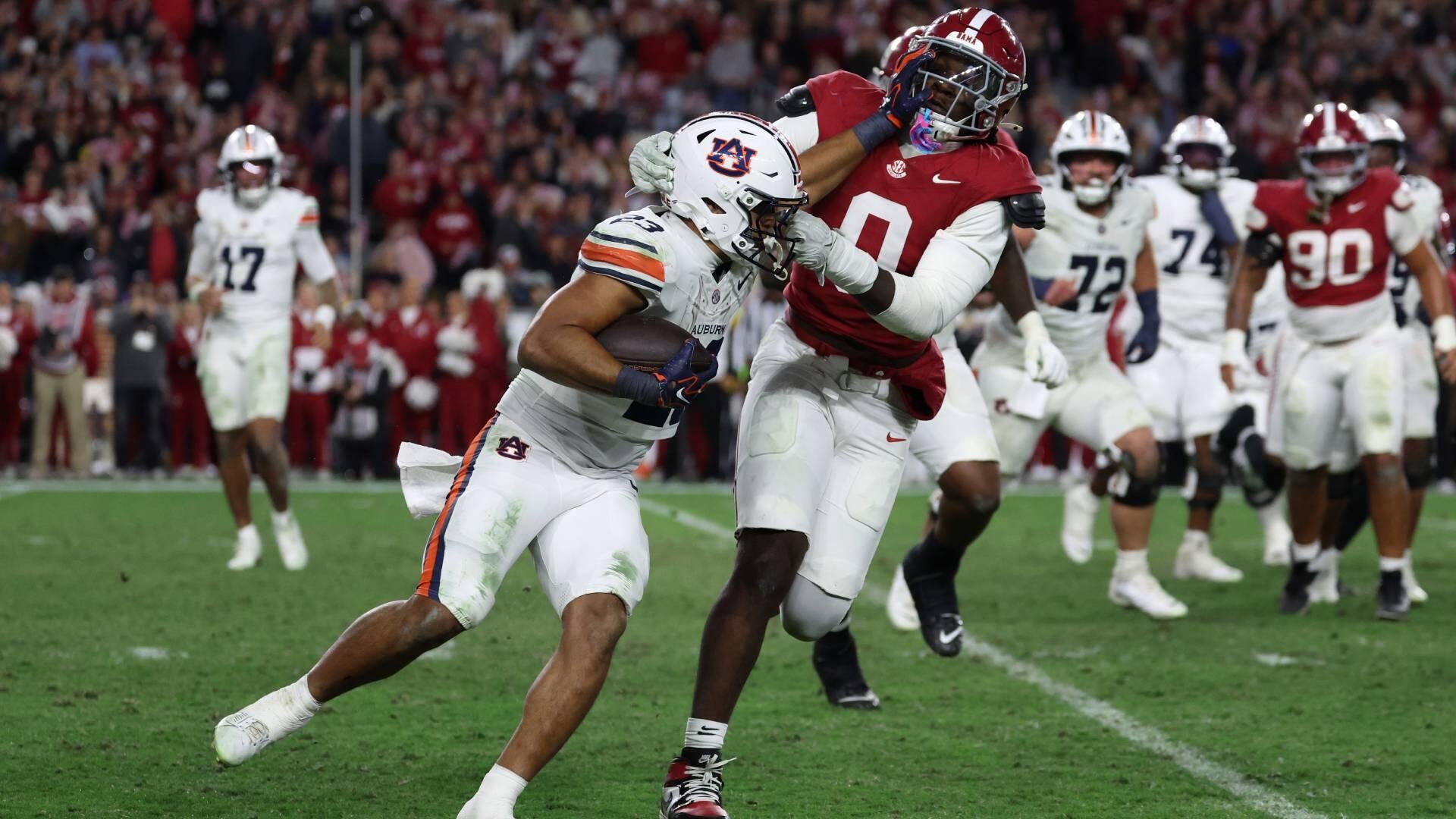
The Associated Press released its final Top 25 college football poll on Thursday, revealing a dramatic reshuffling that saw the Tennessee Volunteers climb to the sixth spot. The Volunteers, who have been in the national conversation since the season’s start, benefited from a decisive win in their final regular‑season game, solidifying their position just one rung below the College Football Playoff committee’s top‑five ranking.
The poll’s movement came against a backdrop of intense competition across the country, with several teams vying for limited playoff berths. Tennessee’s ascent was anchored by a dominant performance on home turf, where the Volunteers outscored their opponent by a margin that left analysts questioning the previous rankings. Meanwhile, Alabama’s fall from the top tier of the poll—dropping seven places—was a stark reminder of the unforgiving nature of the sport’s final stretch.
In a statement released to the media, Tennessee’s head coach praised his players’ resilience and highlighted the importance of staying focused during the season’s critical juncture. The university’s athletic director echoed these sentiments, noting that the team’s rise could boost recruitment prospects and alumni engagement. Alabama’s coaching staff, meanwhile, acknowledged the setback but emphasized the need to regroup for the upcoming postseason.
In-Depth Analysis & Key Details
The current rankings reflect a long‑standing tension between traditional media polls and the CFP committee’s selection process. Historically, the AP Top 25 has been seen as a barometer of public sentiment, while the CFP committee’s methodology incorporates a weighted combination of win‑loss records, strength of schedule, and head‑to‑head outcomes. Tennessee’s leap illustrates how a single late‑season victory can shift perception, especially when the team’s schedule included high‑profile opponents.
From a regulatory standpoint, the NCAA’s oversight of bowl eligibility and playoff selection has evolved to balance competitive fairness with commercial interests. The recent volatility in the rankings has sparked debate among analysts, with some arguing that the AP poll’s emphasis on narrative can undermine objective assessment, while others contend that it provides necessary fan engagement. Economically, the rankings influence television viewership, sponsorship deals, and betting markets, making each movement a potential catalyst for significant revenue swings.
Industry observers note that the technical aspects of team evaluation—such as advanced metrics for player performance and injury impact—are increasingly integrated into both media and committee analyses. This trend toward data‑driven decision‑making could reduce the subjectivity that has historically colored rankings, but it also raises questions about transparency and the accessibility of such metrics to the broader fan base.
"The Volunteers’ ascent to No. 6 underscores how a single, decisive game can redefine a season’s narrative and reshape the playoff landscape."
Why This Matters & What Lies Ahead
For fans and stakeholders, the shift in rankings translates directly into altered expectations for bowl game matchups, ticket sales, and merchandise revenue. A higher ranking can enhance a program’s national profile, attract higher‑profile recruits, and increase alumni donations, thereby influencing the long‑term financial health of the university’s athletic department.
Looking ahead, the upcoming College Football Playoff selection committee meeting will be a key milestone for Tennessee and other contenders. The committee’s deliberations, scheduled for the following week, will determine whether the Volunteers secure a playoff berth and how the final playoff bracket is constructed. Additionally, the NCAA’s upcoming policy review on playoff expansion will be closely watched by teams, broadcasters, and sponsors alike, as any changes could reshape the competitive landscape for the next decade.
Source: Reported by Yahoo Sports · Analyzed & Synthesized by DNB Newsroom