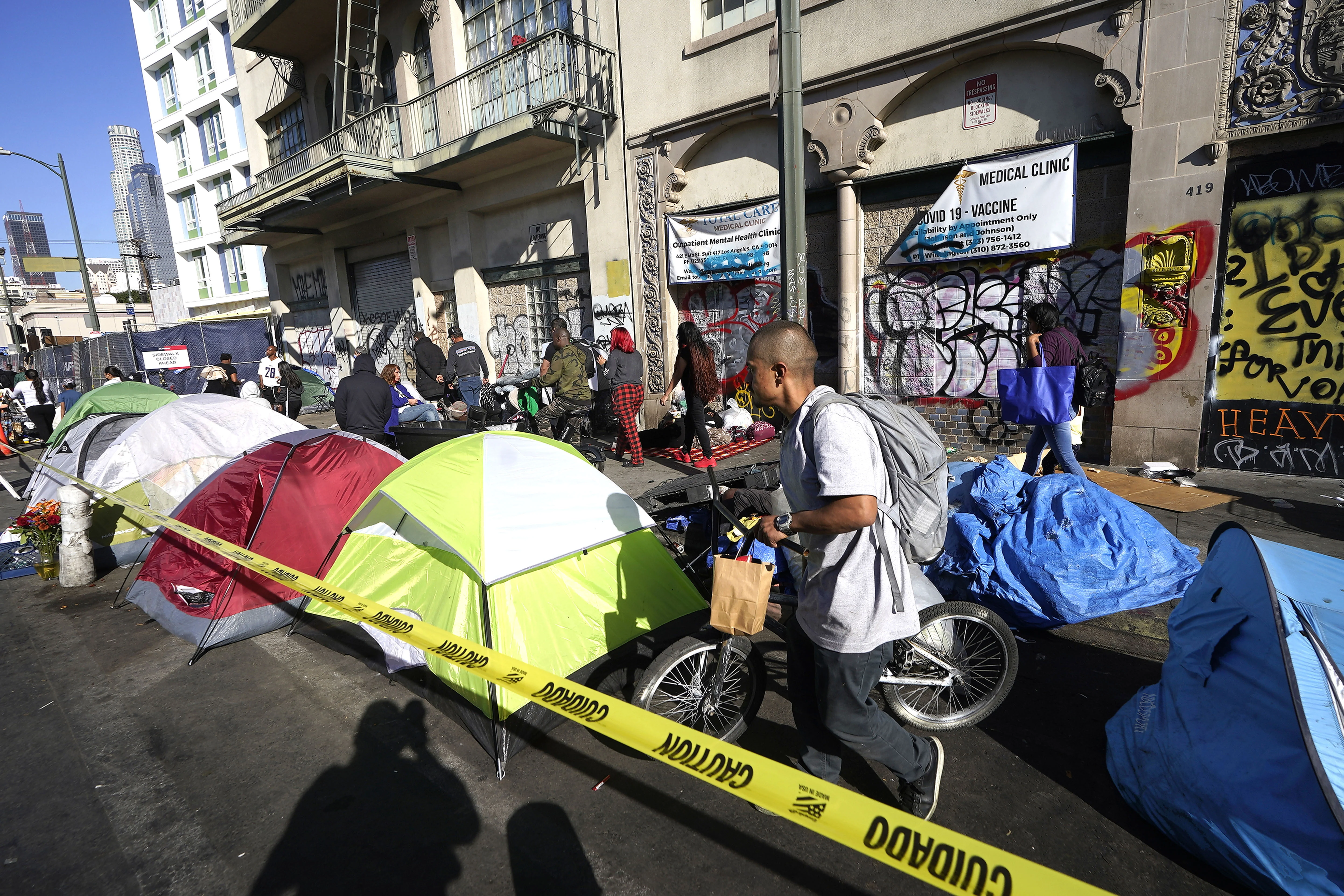
The U.S. Department of Housing and Urban Development released its annual Point-in-Time (PIT) survey on Tuesday, showing the nation's homeless population fell to its smallest level since 2011. The count, conducted on a single night in January, captured 693,000 individuals sleeping in shelters, transitional housing, or unsheltered locations across all 50 states and the District of Columbia.
The decline follows a three‑year stretch of record‑high numbers that peaked in 2022. Federal officials pointed to a combination of $2.3 billion in rapid‑rehousing grants, the rollout of a new voucher‑exchange program, and a surge in private‑sector housing investments as catalysts. Local service providers, however, emphasized that the drop masks persistent gaps, noting that many families remain in temporary accommodations while chronic cases linger in high‑cost urban markets.
In-Depth Analysis & Key Details
Historically, U.S. homelessness surged after the 2008 financial crisis, with federal spending lagging behind rising shelter demand. The 2020 pandemic amplified the problem, prompting emergency cash assistance and moratoriums on evictions that temporarily stemmed the tide. By 2022, the cumulative effect of delayed affordable‑housing construction and rising rents pushed the count to an all‑time high.
The current administration's narrative centers on market‑based solutions, arguing that tax incentives for developers and streamlined permitting have unlocked new units for low‑income renters. Critics counter that these measures disproportionately benefit higher‑income households and fail to address the systemic shortage of permanent supportive housing. Economists project that without a sustained increase in the federal housing stock—estimated at an additional 1.5 million units over the next decade—homelessness could rebound as inflation pressures household budgets.
"A modest dip in the headline number does not equate to a solved crisis; it merely reflects a temporary pause in a long‑running affordability emergency."
Why This Matters & What Lies Ahead
For millions of Americans, the decline translates into fewer families sleeping in cars or on sidewalks, reducing immediate health risks and easing pressure on emergency services. Yet the lingering concentration of homeless individuals in a handful of metropolitan areas continues to strain local budgets, influence voter sentiment, and shape policy debates at both state and federal levels.
Legislators are poised to vote on a bipartisan housing bill next spring that would allocate an additional $12 billion for low‑income housing construction and expand the Housing Choice Voucher program. Advocacy groups plan to test the administration's rapid‑rehousing metrics in a series of congressional hearings, while several cities have filed lawsuits demanding clearer federal guidance on shelter standards. These developments will determine whether the recent dip becomes a stepping stone toward lasting progress or a fleeting statistical blip.
Source: Reported by NPR · Analyzed & Synthesized by DNB Newsroom