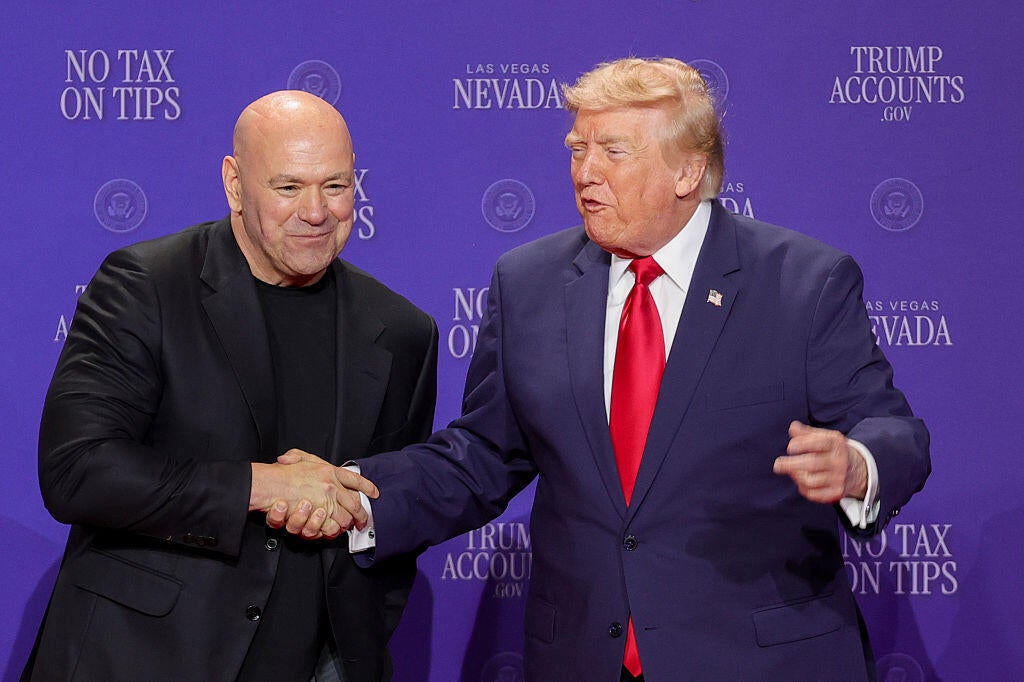
In a striking disclosure regarding the internal dynamics of the executive branch, President Donald Trump revealed that he personally extended an offer to Dana White, the powerful chairman and CEO of the Ultimate Fighting Championship, for the role of White House Press Secretary. The admission, made during a recent public appearance, sheds light on the administration's persistent difficulties in filling a critical communications post that has remained effectively vacant for several months. By naming White, a figure known for his aggressive media tactics and deep understanding of public spectacle, the President signaled a departure from conventional political recruitment strategies in favor of personalities who command significant attention in the public sphere.
The immediate operational context of this revelation is defined by the prolonged absence of a dedicated press secretary at the White House. Since Karoline Leavitt stepped aside from the podium in August, the administration has relied on a rotating cast of senior aides and officials to manage the relentless flow of questions from the press corps. This structural gap has led to inconsistent messaging and a fragmented approach to daily briefings, raising concerns among political observers about the clarity and coherence of the administration's public narrative. The White House briefing room, typically the epicenter of daily political news, has operated under a shadow of uncertainty, with reporters often receiving limited access or delayed responses to pressing inquiries.
Official remarks from the President did not disclose whether White accepted, declined, or is still considering the offer, leaving the final outcome of this recruitment effort ambiguous. However, the mere mention of the offer has generated significant buzz within the political and sports communities. Stakeholders, including media analysts and political strategists, are now closely watching for any formal announcements from the White House or White himself. The potential involvement of a major sports league executive in the highest levels of government communications represents a unique intersection of entertainment, politics, and public affairs that has rarely been seen in modern American history.
In-Depth Analysis & Key Details
The historical background of this development reflects a broader trend in recent administrations to seek out unconventional candidates for high-profile communications roles. Traditionally, the White House Press Secretary has been a seasoned political operative or a former journalist with deep ties to the party establishment. However, the current administration's apparent willingness to consider a sports executive suggests a strategic recalibration aimed at leveraging White’s brand recognition and his ability to thrive in high-stakes, adversarial media environments. This approach mirrors the administration's broader style, which often prioritizes direct, unfiltered engagement with the public over the nuanced, carefully scripted messaging typical of traditional political communications.
Competing perspectives on this potential appointment are sharply divided. Supporters of the administration argue that White’s experience in managing the UFC, a league known for its dramatic narratives and intense media scrutiny, would bring a fresh and dynamic energy to the White House podium. They contend that his ability to command attention and handle difficult questions with confidence would enhance the administration's ability to control the news cycle. Critics, however, raise significant concerns about the potential for conflict of interest and the blurring of lines between government and commercial interests. They argue that appointing a major corporate executive to such a sensitive role could undermine the perceived neutrality of the press office and create complications in regulating industries that intersect with government policy.
Expert domain context further complicates the issue, as the role of the Press Secretary extends beyond simple media management to include shaping public opinion, coordinating inter-agency communications, and serving as the primary liaison between the executive branch and the press corps. The technical intricacies of this role require a deep understanding of constitutional principles, administrative law, and the ethical standards governing government communications. The potential appointment of a non-political figure raises questions about their familiarity with these complex regulatory frameworks and their ability to navigate the delicate balance between transparency and executive privilege. Industry tensions are also evident, as the media landscape is increasingly fragmented, with traditional news outlets competing for relevance against social media platforms and partisan news sources.
"The decision to offer the White House press podium to a sports magnate rather than a political veteran signals a fundamental shift in how the executive branch views the nature of public communication in the digital age."
Why This Matters & What Lies Ahead
For everyday readers and the broader public, the outcome of this recruitment effort will have direct implications for the clarity and accessibility of government information. A press secretary with a strong media presence and a proven track record in managing public attention could potentially improve the flow of information to citizens, making complex policy decisions easier to understand. However, if the appointment is perceived as driven by personal brand management rather than public service, it could erode trust in government communications and exacerbate existing divisions in the public discourse. The financial markets may also react to the news, as the appointment of a high-profile figure from the entertainment sector could signal a broader shift in government priorities toward industries that drive consumer spending and cultural influence.
Upcoming milestones to watch include any formal announcement regarding the status of White’s consideration of the offer, as well as the potential nomination of a new press secretary if the offer is declined. Legislative implications may arise if the appointment leads to debates over the role of corporate executives in government positions, potentially prompting calls for stricter ethical guidelines or conflict of interest regulations. Key hearings or regulatory votes related to media regulation and government transparency could also be influenced by the public reaction to this development, as lawmakers seek to address concerns about the integrity of the press office and the broader implications of blending commercial interests with public service.
Source: Reported by CBS News · Analyzed & Synthesized by DNB Newsroom