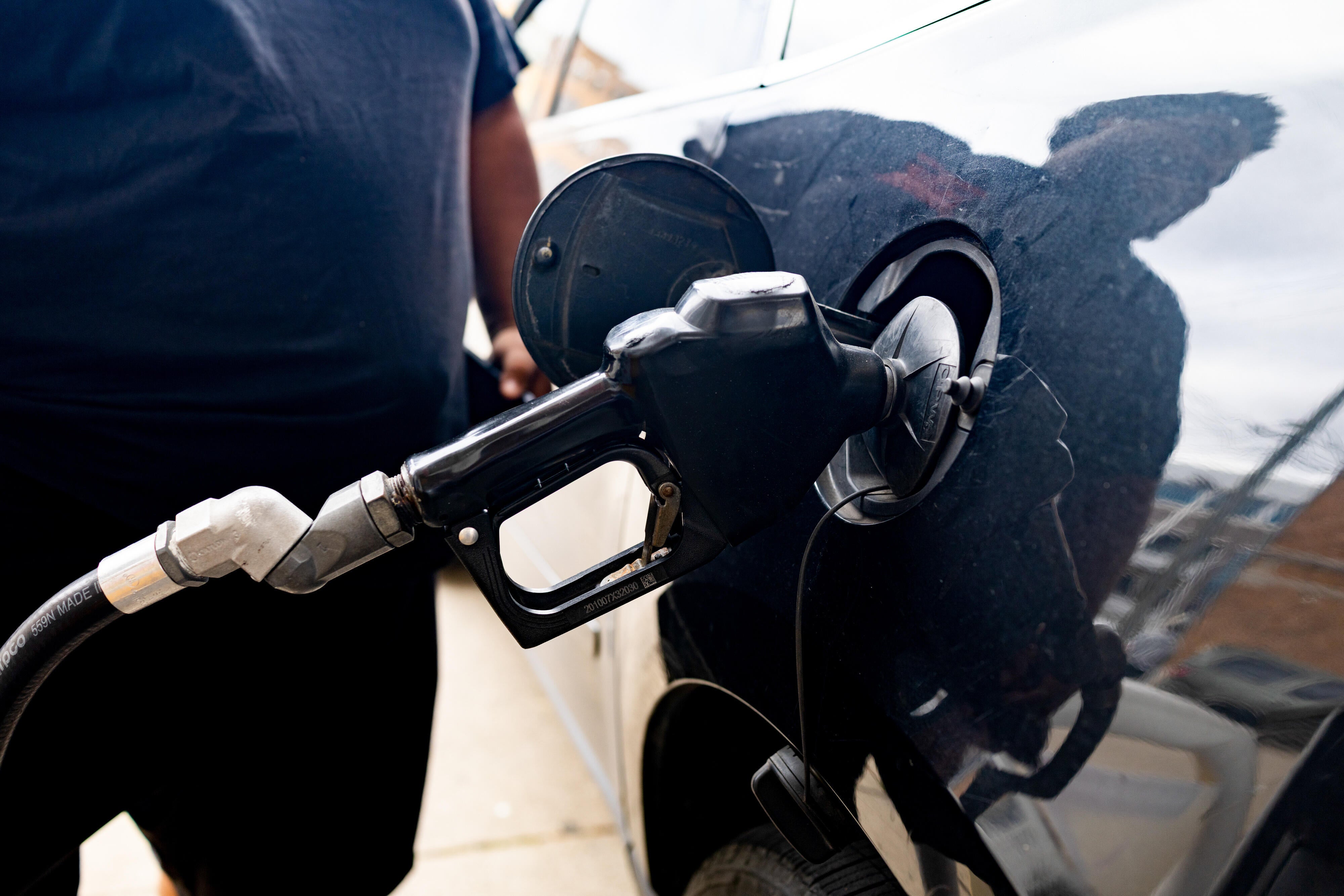
On Thursday, the national average price for a gallon of regular unleaded gasoline slipped to $3.98, according to market data compiled by a major pricing service, marking the first time the benchmark has been under $4 since the summer surge began in July. The decline was observed across most regions, with the Midwest and the South reporting the deepest cuts.
The price movement coincided with a modest easing of crude‑oil futures, which settled $1.20 lower per barrel compared with the previous week. At the same time, refinery utilization rates ticked upward by roughly two percentage points, adding modest supply to the market. No major policy announcements or geopolitical events were reported that week, suggesting the shift stemmed primarily from market mechanics.
Petroleum analyst Patrick De Haan, who tracks retail fuel trends for a leading consultancy, said the current trajectory points toward continued softness, projecting an average of $3.75 per gallon by the Thanksgiving holiday. Industry observers noted that consumer groups welcomed the news, while some transport‑sector representatives cautioned that a sudden rebound in demand could reverse the gains.
In-Depth Analysis & Key Details
The current dip must be understood against a backdrop of volatile oil markets that have been shaped by pandemic‑era demand shocks, OPEC+ production decisions, and fluctuating U.S. inventory levels. Since July, crude prices have hovered near $80 per barrel, a level that historically supports pump prices above $4. The recent modest pullback reflects a temporary alignment of supply and demand, rather than a structural shift.
Regulators and market analysts are divided on the durability of the price relief. Some point to the Federal Reserve’s tighter monetary stance, which could dampen consumer spending and keep fuel demand in check. Others argue that seasonal travel spikes and potential supply disruptions from geopolitical tensions could quickly re‑elevate prices. The interplay between these forces creates a narrow window for price stability.
De Haan’s forecast draws on historical patterns that show a typical seasonal decline in gasoline costs as the heating season approaches, combined with the current inventory surplus. While his outlook is data‑driven, it remains contingent on external variables such as refinery outages, weather‑related supply constraints, and any unexpected shifts in crude‑oil pricing.
"If the market holds, drivers could see a Thanksgiving pump price near $3.75—a relief that would translate into tangible savings for millions of households."
Why This Matters & What Lies Ahead
For everyday commuters, a sub‑$4 gallon price reduces the monthly budget strain caused by fuel costs, freeing disposable income for other essentials like food and housing. The broader economy also benefits, as lower transportation expenses can lower the cost of goods that rely on road freight, subtly easing inflationary pressures.
Looking ahead, policymakers and industry leaders will monitor weekly inventory reports, refinery maintenance schedules, and any geopolitical developments that could affect crude supplies. The upcoming Energy Information Administration weekly release and the Federal Reserve’s policy meeting in December are key milestones that could signal whether the current price dip is a fleeting reprieve or the start of a longer‑term trend.
Source: Reported by CBS News · Analyzed & Synthesized by DNB Newsroom