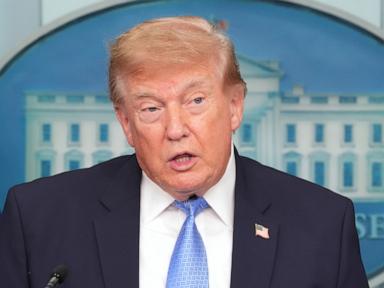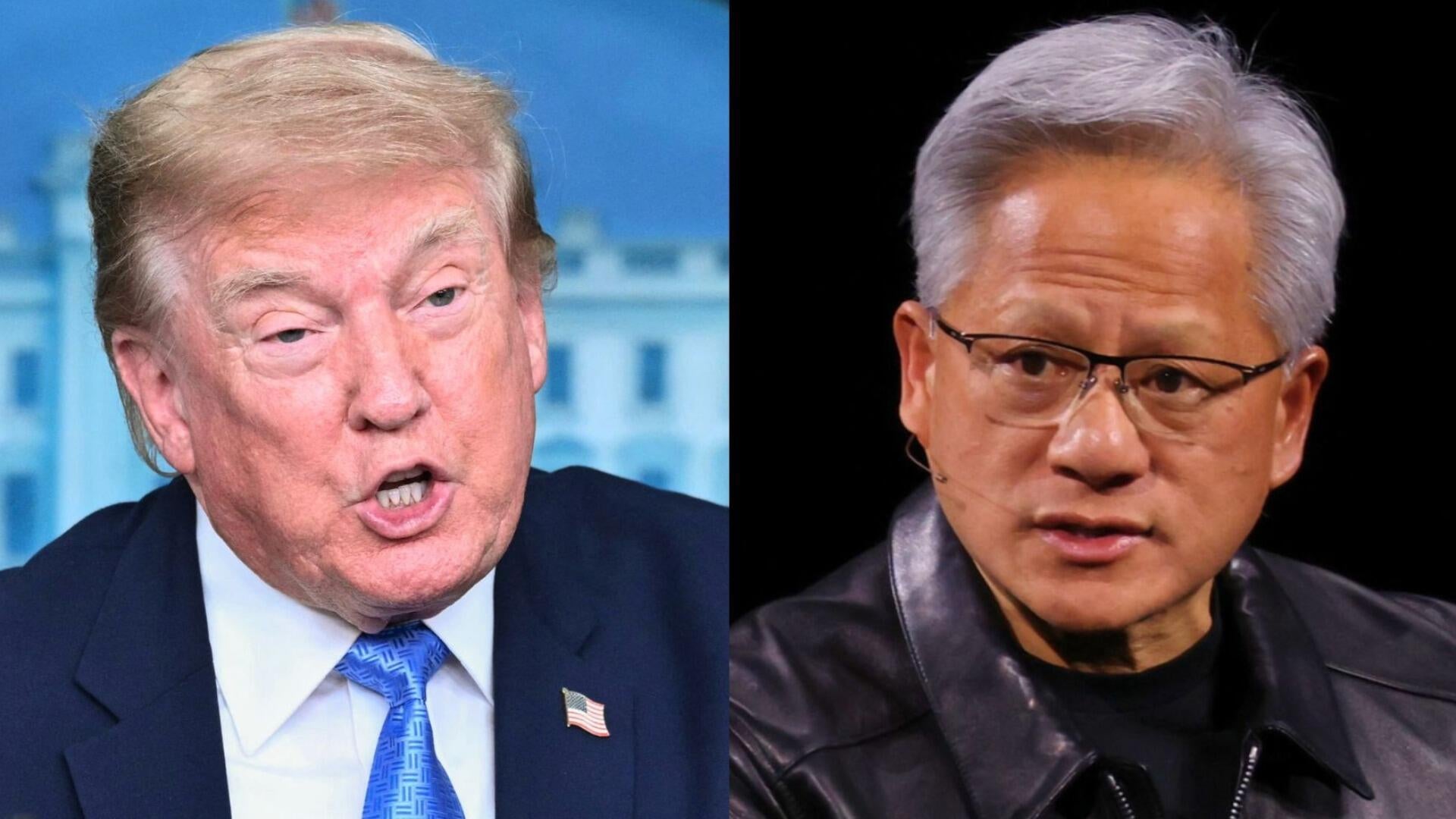
President Donald Trump addressed reporters on Monday, conveying that Nvidia chief executive Jensen Huang asserted he had no awareness that his romantic companion was under investigation for alleged espionage on behalf of China. The disclosure came during a routine news conference in Washington, D.C., where Trump fielded questions about recent national‑security concerns tied to the technology sector.
According to multiple sources, the woman involved—who has not been publicly identified—has been accused by federal investigators of acting as a conduit for Chinese intelligence, allegedly passing proprietary information about advanced semiconductor designs. The relationship, which began several months ago, reportedly unfolded while Huang was traveling between Silicon Valley and the company’s global research facilities. The timing coincides with heightened scrutiny from the Committee on Foreign Investment in the United States (CFIUS) and the Department of Commerce, both of which have recently issued stricter guidelines for companies handling AI‑driven chips.
Huang confirmed to Trump that he was unaware of any spy allegations, a statement that was echoed in a brief comment to Business Insider senior reporter Henry Chandonnet, who joined "The Daily Report" to dissect the development. Nvidia’s corporate communications office declined to issue an official response, citing ongoing legal considerations, while White House officials emphasized that the president’s remarks were not an official policy position.
In-Depth Analysis & Key Details
The episode taps into a decades‑long narrative of U.S.-China rivalry in high‑technology domains, where past incidents—such as the 2018 indictment of a former Huawei engineer for stealing trade secrets—have fueled a climate of suspicion toward Chinese espionage activities. Semiconductor manufacturers, especially those producing AI accelerators, sit at the strategic nexus of economic competition and defense readiness, prompting lawmakers to treat any potential breach as a matter of national importance.
Regulatory bodies have responded by tightening export‑control regimes and expanding the reach of CFIUS reviews, aiming to prevent critical intellectual property from slipping into foreign hands. In Huang’s case, the alleged connection to a suspected Chinese spy could trigger a formal investigation under the Foreign Investment Risk Review Modernization Act, potentially delaying or conditioning future overseas investments and licensing approvals for Nvidia’s next‑generation GPUs.
National‑security analysts note that personal relationships can become vectors for intelligence gathering, especially when they involve individuals with access to cutting‑edge research. Industry observers point out that the stock market reacted swiftly, with Nvidia shares dipping modestly amid investor uncertainty. Legal scholars caution that the incident may set a precedent for heightened personal‑conduct standards among senior executives in sectors deemed vital to national defense.
"When a silicon titan admits ignorance of a potential spy in his inner circle, the line between personal indiscretion and national security blurs."
Why This Matters & What Lies Ahead
For everyday consumers, the controversy underscores how personal choices of corporate leaders can ripple through the supply chain that powers everything from cloud‑based AI services to gaming consoles. A breach—or even the perception of one—could erode confidence in the reliability of hardware that underpins critical infrastructure, prompting businesses to reassess vendor risk and diversify sourcing.
Legislators are expected to schedule hearings within the next few weeks to examine whether existing oversight mechanisms adequately address insider threats in the tech industry. Simultaneously, the Securities and Exchange Commission may consider probing whether Nvidia disclosed material information to shareholders in a timely manner. The outcome of these inquiries could reshape compliance frameworks, influence future IPO disclosures, and set new expectations for executive transparency across the sector.
Source: Reported by CBS News · Analyzed & Synthesized by DNB Newsroom