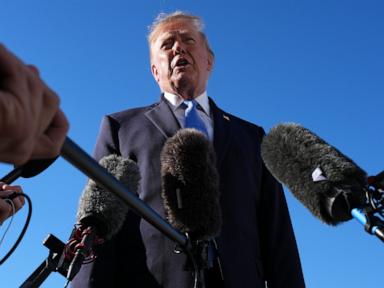
Donald Trump, campaigning for a return to the White House, unveiled a proposal to pay up to $1 million to individuals who submit verifiable proof of voter fraud in recent or future elections. The announcement, made during a rally in Florida, positions the bounty as a tool to safeguard electoral integrity.
The offer, however, arrives without a disclosed source of funds, leaving election administrators and legal experts uncertain how the money would be sourced or disbursed. State election boards have already warned that any such program would need to comply with federal and state campaign‑finance regulations.
In-Depth Analysis & Key Details
The proposal taps into long‑standing partisan debates over election security, echoing previous unfounded claims of widespread fraud that have been dismissed by courts and the Department of Justice. By monetizing accusations, Trump is shifting the discourse from abstract rhetoric to a concrete financial incentive.
Supporters argue the bounty could uncover genuine irregularities, while opponents contend it may encourage false reports and intimidate voters, potentially violating the Help America Vote Act. Legal scholars note that private rewards for election‑related information are rare and could clash with existing statutes governing election integrity.
"Offering a million‑dollar prize for fraud tips transforms political posturing into a risky financial gambit with uncertain legal footing."
Why This Matters & What Lies Ahead
If implemented, the bounty could flood election officials with tips, straining resources and possibly eroding public trust in the voting system, especially in swing states where margins are tight.
Lawmakers in Congress are expected to debate whether to introduce legislation clarifying the legality of private rewards for election information ahead of the 2028 presidential cycle.
Source: Reported by ABC News · Analyzed & Synthesized by DNB Newsroom