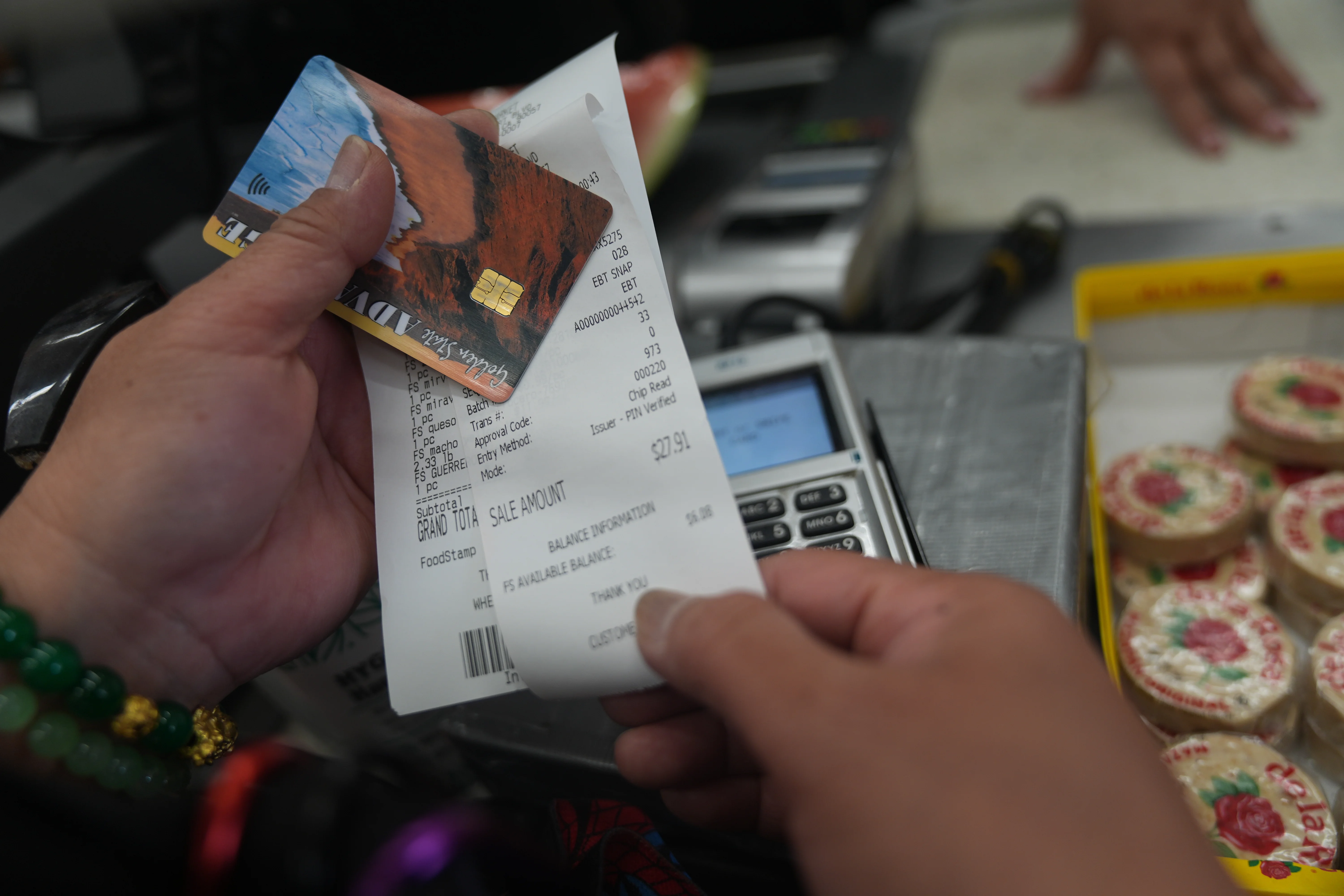
The U.S. Department of Agriculture announced Thursday that it will issue a proposed rule to replace the current magnetic‑stripe SNAP cards with a newer, chip‑based version that can be deactivated remotely.
The upgrade is intended to give states a tool to instantly block compromised accounts and to limit the resale of benefits on the black market, which regulators estimate has diverted tens of millions of dollars.
In-Depth Analysis & Key Details
The fraud scheme, often called “benefit trafficking,” exploits the lack of real‑time authentication in the existing system, allowing scammers to skim benefits before they reach eligible households.
While consumer‑advocacy groups praise the security boost, some state officials warn that the transition could cause short‑term disruptions for recipients who may need to replace cards and learn new procedures.
"Upgrading the SNAP card is the most decisive anti‑fraud measure the program has taken in a decade."
Why This Matters & What Lies Ahead
For the roughly 42 million Americans who rely on SNAP, a more secure card means fewer interruptions in food access and greater confidence that assistance reaches its intended users.
The rule is slated for public comment through December, with a final decision expected in early 2027; Congress may also weigh in as part of broader welfare reform legislation.
Source: Reported by NPR · Analyzed & Synthesized by DNB Newsroom