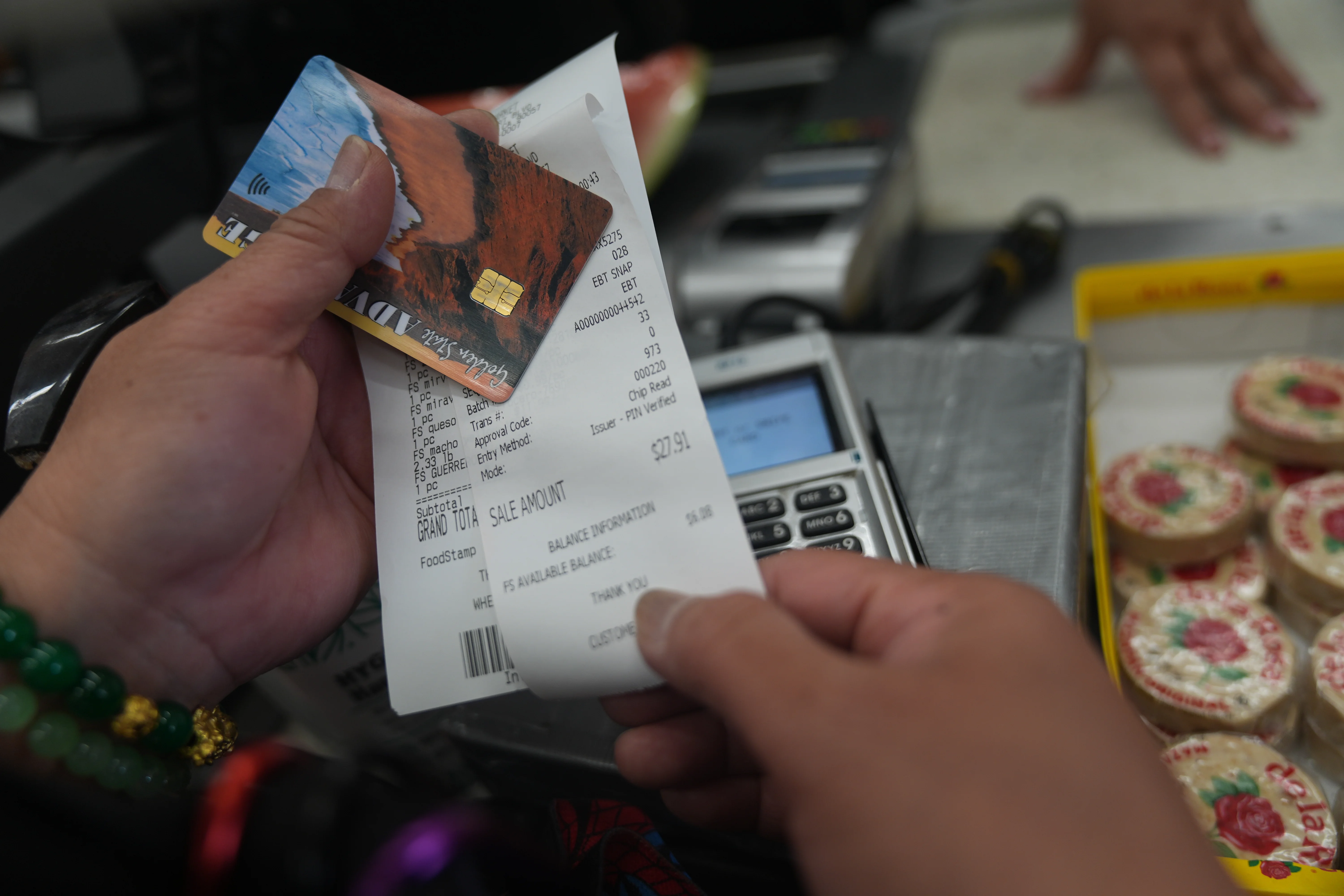
The Federal Trade Commission, together with attorneys general from several states, filed a complaint on Wednesday accusing Dollar General of a long‑standing practice of charging higher amounts at checkout than the prices displayed on shelves and in advertisements.
The filing cites internal audits and shopper reports that reveal the discrepancy, prompting the retailer to suspend certain promotional pricing while it reviews its point‑of‑sale systems and staff training procedures.
In-Depth Analysis & Key Details
The allegations stem from a pricing architecture that allows store managers to input discounts that are not consistently reflected in the scanning software, creating a gap between advertised and actual sale prices. Critics argue this reflects a profit‑driven loophole that exploits price‑sensitive consumers, especially in low‑income neighborhoods.
Consumer‑rights groups praise the FTC’s action as a necessary check on retail practices, while industry associations warn that sweeping reforms could increase operational costs and complicate promotional campaigns for all discount retailers.
"The FTC says the pattern of overcharging reflects a deliberate strategy rather than isolated errors."
Why This Matters & What Lies Ahead
For shoppers who rely on Dollar General’s low‑price promise, the alleged overcharges erode trust and inflate household expenses, disproportionately affecting vulnerable communities.
The case will move to a federal hearing later this year, and any settlement could set precedents for pricing transparency that other big‑box and discount chains will need to follow.
Source: Reported by CBS News · Analyzed & Synthesized by DNB Newsroom