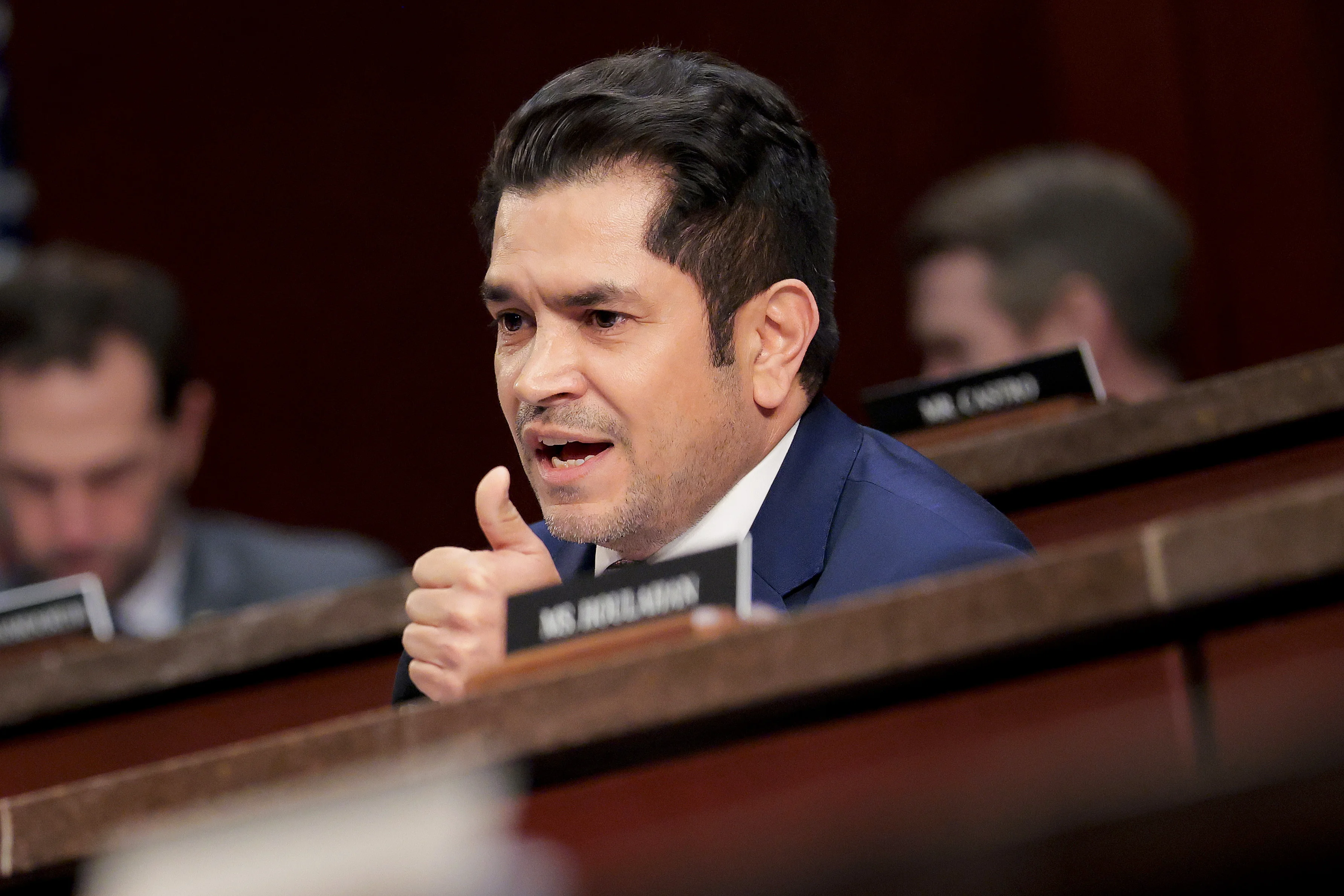
The U.S. House of Representatives saw a wave of criticism on Wednesday as Republican members publicly rebuked the decision to restore Jensen Huang to his leadership role at Nvidia, a move that followed an intervention by former President Donald Trump.
Huang, who had been temporarily suspended amid allegations that he met with a suspected Chinese intelligence operative, is slated to appear before a congressional committee next month to answer questions about the alleged contact and its possible impact on the chipmaker’s national‑security clearance.
In a statement, the White House defended the reinstatement as consistent with due‑process standards, while Nvidia’s board said the CEO’s return reflects confidence in his ability to steer the company through ongoing supply‑chain pressures. Republican leaders, however, called the action a “political favor” that undermines accountability.
In-Depth Analysis & Key Details
The dispute unfolds against a backdrop of escalating U.S.–China tech rivalry, where export controls and investment bans have become routine tools to curb Beijing’s access to advanced semiconductors. Nvidia, as a supplier of AI‑accelerating GPUs, sits at the nexus of these security calculations, making any perceived foreign entanglement highly sensitive.
Republicans argue that Trump’s involvement bypasses established oversight mechanisms, while Democratic officials stress that the board’s decision follows internal investigations that found no breach of law. Industry analysts observe that prolonged uncertainty could disrupt Nvidia’s product rollout schedule and pressure its stock, which has surged on AI demand.
Regulatory filings indicate that the Committee on Oversight and Reform is preparing a subpoena package that may compel the company to disclose communications with foreign nationals. Observers note that similar probes have led to revocation of export licenses for other tech firms, underscoring the material risk to Nvidia’s global operations.
"The reinstatement underscores how political patronage can clash with national‑security safeguards in an industry that powers everything from data centers to autonomous vehicles."
Why This Matters & What Lies Ahead
For consumers and enterprises that rely on Nvidia’s GPUs, the controversy injects uncertainty into product availability and pricing at a time when AI workloads are expanding rapidly. A negative outcome from the congressional inquiry could trigger export restrictions, forcing supply‑chain realignments and potentially slowing AI adoption across sectors.
The next critical milestone is Huang’s scheduled testimony before the House committee in early December, followed by a possible vote on tighter disclosure requirements for tech executives with foreign contacts. Lawmakers have signaled intent to introduce legislation that would tighten penalties for companies found to have undisclosed ties to foreign intelligence services, making the coming weeks pivotal for both corporate governance and national‑security policy.
Source: Reported by ABC News · Analyzed & Synthesized by DNB Newsroom