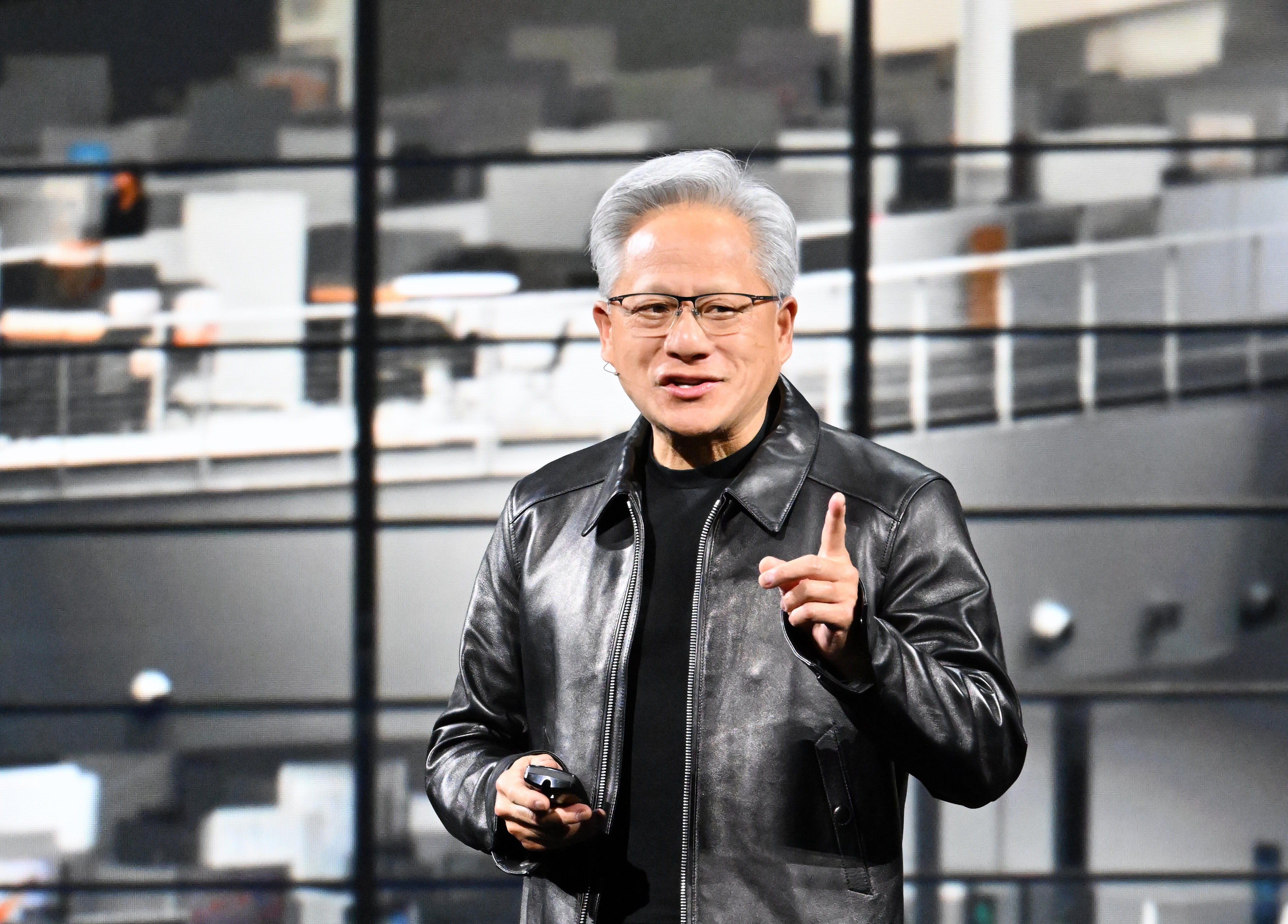
Jensen Huang, the founder‑engineer who built NVIDIA into a global AI powerhouse, was announced as returning to the chief executive role after a brief interim period, according to a filing with the Securities and Exchange Commission on Monday. The board’s decision was framed as a step to preserve strategic momentum as the company rides unprecedented demand for its graphics processing units in data‑center and generative‑AI applications.
The announcement came from NVIDIA’s headquarters in Santa Clara, California, a hub of semiconductor innovation where the firm’s market capitalization recently surpassed $1 trillion. Analysts note that Huang’s leadership coincides with record quarterly earnings, a surge in stock price, and expanding partnerships with cloud providers worldwide.
NVIDIA issued a statement emphasizing that Huang’s return ensures “steady stewardship of our technology roadmap and shareholder value.” In contrast, several women‑led organizations that have long advocated for diversity, equity and inclusion in tech issued a joint statement decrying the move as a signal that “money, not inclusion, remains the dominant metric in Silicon Valley’s leadership calculus.”
In-Depth Analysis & Key Details
The episode unfolds against a backdrop of intensified scrutiny over tech firms’ diversity records, a trend accelerated by high‑profile lawsuits and congressional hearings that have demanded greater transparency. Over the past decade, many companies have pledged DEI initiatives, yet progress has been uneven, prompting activist groups to monitor leadership changes as proxies for cultural commitment.
Proponents of Huang’s reinstatement argue that his technical expertise and visionary product roadmap are essential for maintaining competitive advantage in the rapidly evolving AI market. Critics counter that elevating a founder‑centric figure without visible DEI milestones may undermine broader industry efforts to attract and retain underrepresented talent, potentially stalling innovation pipelines.
Industry analysts observe that the tension reflects a broader clash between capital‑driven governance models and emerging expectations for social responsibility. While investors continue to reward revenue growth, regulatory filings indicate that a growing number of institutional investors are incorporating ESG criteria, including gender diversity, into their voting mandates.
"When profit becomes the sole metric, the very fabric of inclusive innovation unravels."
Why This Matters & What Lies Ahead
For everyday technology users, the leadership direction of a company that supplies the chips powering everything from smartphones to autonomous vehicles can shape product availability, pricing, and the pace of new features. A corporate culture that deprioritizes inclusion may also affect hiring practices, limiting the pool of perspectives that drive ethical AI development and potentially widening the gender gap in high‑pay tech roles.
Legislators in Washington are drafting bills that would require large technology firms to disclose detailed diversity statistics and set measurable targets. As shareholders prepare for NVIDIA’s upcoming annual meeting, activist investors may leverage these proposals to press the board for concrete DEI commitments, making the company’s governance choices a bellwether for sector‑wide policy shifts.
Source: Reported by NPR · Analyzed & Synthesized by DNB Newsroom