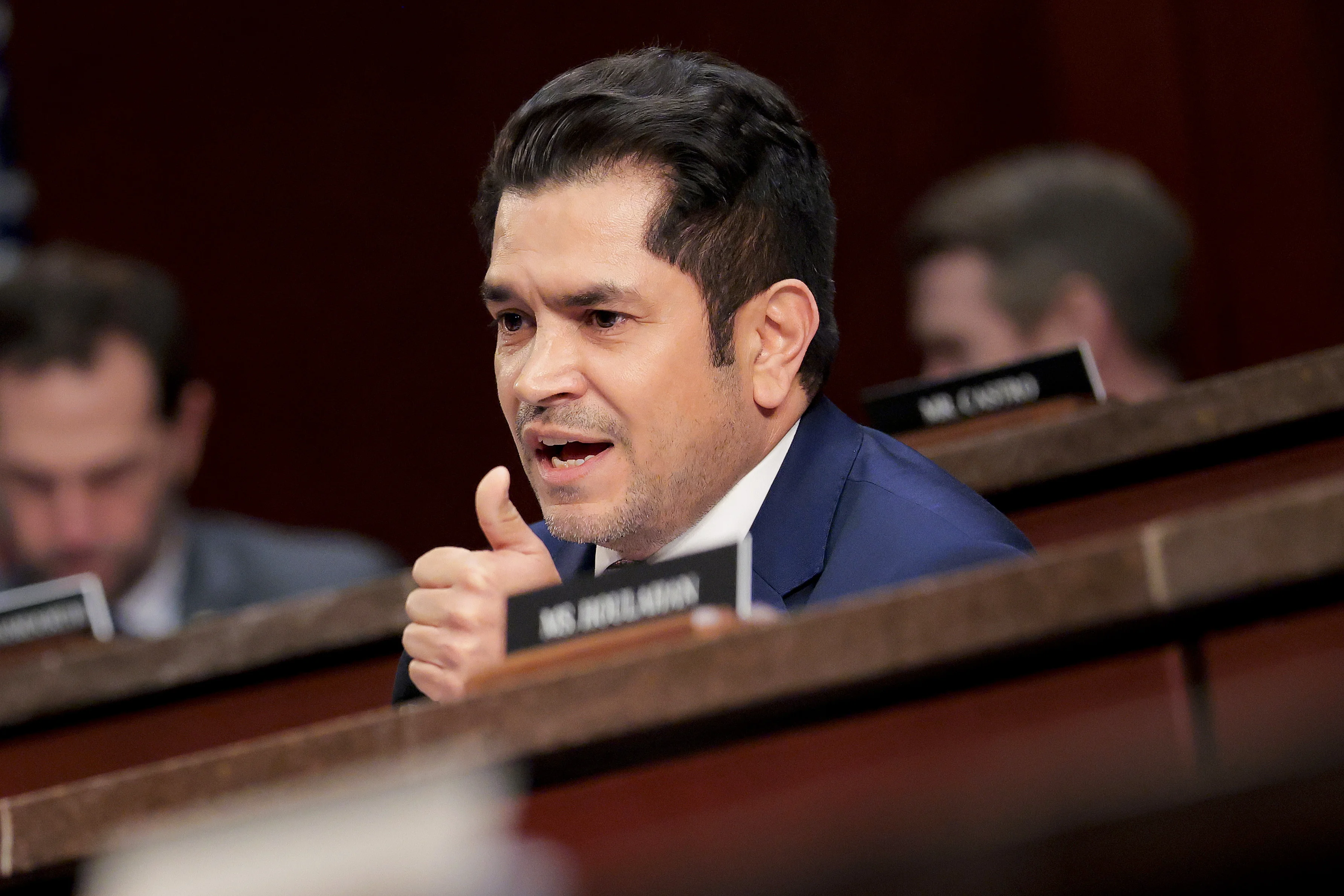
Congressman Jimmy Gomez, a senior Democrat from California’s 34th district, declared his intention to step down after the House Ethics Committee issued a report finding he had engaged in conduct that breached the chamber’s standards on sexual harassment. The announcement came during a press conference on Capitol Hill, where Gomez acknowledged the findings and said he would resign to avoid further distraction for his colleagues.
The Ethics Committee’s investigation, initiated in response to multiple complaints filed by staff members, concluded that Gomez made repeated, unwelcome advances toward a junior aide, creating a hostile work environment. The report cited specific incidents spanning 2021 and 2022, noting that the representative ignored internal warnings and failed to adhere to the House’s mandatory training requirements.
In his resignation letter, Gomez expressed remorse, stating that his actions were "inexcusable" and that he was "committed to supporting a smooth transition." House Democratic leadership, including Speaker Mike Johnson, released a statement emphasizing the need for accountability and confirming that a special election will be scheduled in accordance with California law.
In-Depth Analysis & Key Details
The scandal emerges against a backdrop of heightened attention to sexual misconduct in Washington since the #MeToo wave prompted the House to overhaul its harassment policies and expand the jurisdiction of its Ethics Committee. Prior cases involving senior lawmakers have led to a series of procedural reforms, including mandatory annual training and a clearer reporting hierarchy, yet critics argue enforcement remains inconsistent.
The Committee’s authority to investigate and recommend sanctions stems from the 1991 Ethics Reform Act, but its recommendations are not binding, leaving ultimate disciplinary decisions to the full House. In Gomez’s case, the report’s language—labeling his behavior a violation of explicit harassment rules—suggests that leadership could have faced pressure to impose a censure, a step that carries both symbolic and practical ramifications for seniority and committee assignments.
Political analysts note that Gomez’s resignation may act as a catalyst for further scrutiny of other members whose conduct has been questioned, while ethics watchdogs caution that without concrete penalties, the deterrent effect remains limited. The episode underscores an ongoing tension between party cohesion and the drive for transparent accountability within the legislative branch.
"Gomez’s exit underscores how personal misconduct can swiftly translate into institutional upheaval, compelling Congress to confront the gap between policy and practice."
Why This Matters & What Lies Ahead
For constituents in California’s 34th district, the resignation creates an immediate vacancy that will be filled through a special election, potentially altering the balance of power in a tightly contested swing area and influencing the Democratic caucus’s ability to advance its legislative agenda. Moreover, the case reinforces public expectations that elected officials adhere to the same workplace standards as private sector employees, prompting corporations and NGOs to reevaluate their own harassment protocols.
The upcoming special election, slated for early next year, will draw national attention as candidates position themselves on issues ranging from immigration to climate policy, while also navigating the broader narrative of ethical reform on Capitol Hill. Lawmakers and advocacy groups will monitor the House’s next steps on enforcement, anticipating possible amendments to the Ethics Committee’s authority that could shape future accountability mechanisms.
Source: Reported by NPR · Analyzed & Synthesized by DNB Newsroom