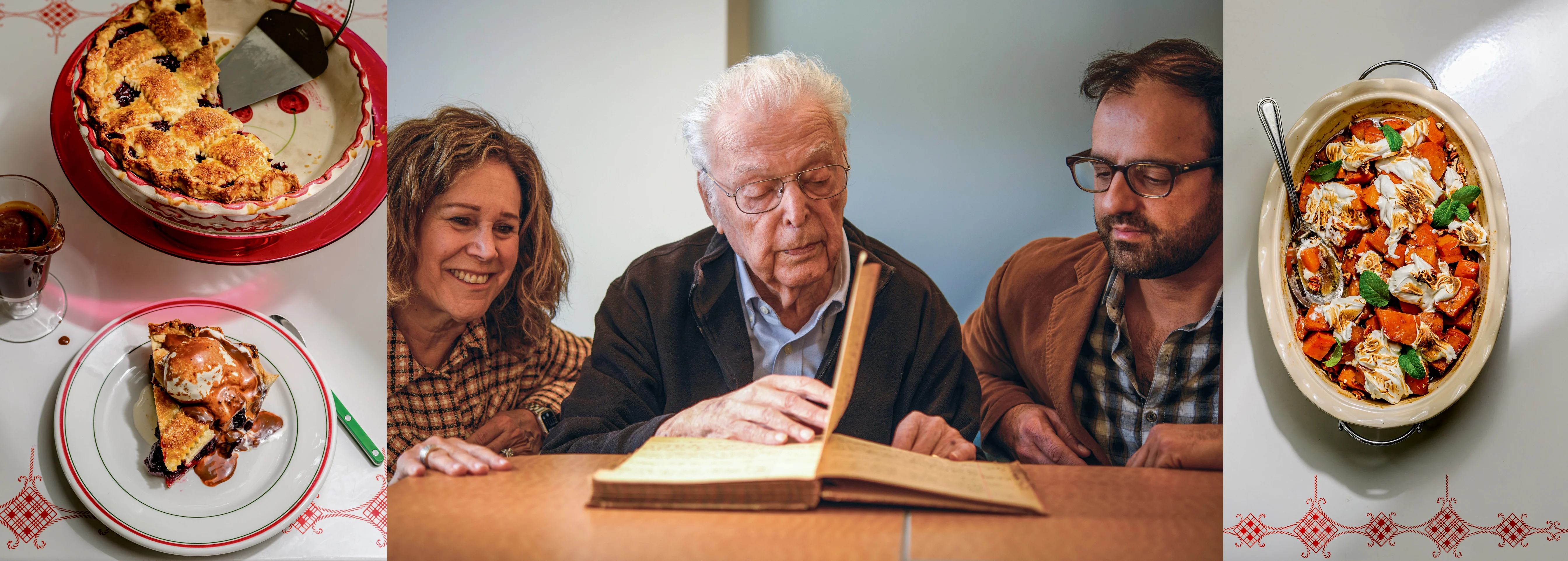
Chef Alon Shaya, a prominent figure in the New Orleans culinary scene, has unveiled a new cookbook that serves as both a culinary guide and a historical document. The book, titled 'Memories of a Good Meal,' centers on the profound impact of food during World War II, sharing stories of resilience from individuals who navigated the war years through the act of cooking and eating. Shaya’s work distinguishes itself by prioritizing the emotional and communal significance of meals over mere technical instruction, offering a nuanced perspective on how sustenance became a lifeline during one of history’s most turbulent periods.
The geographical and cultural context of the book is deeply rooted in New Orleans, a city with a rich culinary heritage that was significantly impacted by the war. Shaya explores how local ingredients, traditional recipes, and community gatherings around food helped maintain a sense of normalcy and identity amidst the backdrop of global conflict. The publication details specific instances where food served as a form of resistance, comfort, and connection, illustrating the intricate relationship between cuisine and cultural survival during the 1940s.
In official remarks surrounding the release, Shaya emphasized his intent to preserve these stories before they are lost to time, noting that food is often the most accessible and relatable entry point into personal history. The chef’s approach reflects a broader movement within the culinary world to document not just what was eaten, but why it was eaten and what it meant to the people who prepared and consumed it. This initiative has been met with interest from historians and food enthusiasts alike, who view the book as a valuable resource for understanding the human dimension of World War II.
In-Depth Analysis & Key Details
The historical background of Shaya’s work is rooted in the well-documented role of food in wartime economies and social structures. During World War II, rationing programs in the United States fundamentally altered dietary habits, forcing families to adapt to limited supplies of meat, sugar, and fats. This period saw a surge in home gardening, community canning, and the repurposing of ingredients, practices that Shaya’s book meticulously documents. By focusing on these adaptations, the cookbook provides insight into the resourcefulness and ingenuity of American households during the war, offering a counter-narrative to the often-militarized focus of traditional WWII histories.
From a comparative perspective, Shaya’s approach aligns with a growing body of literature that uses food as a lens for examining social history. Unlike traditional historical texts that rely on political and military events, this culinary-focused narrative emphasizes the domestic sphere, where the war was felt most intimately. This shift in focus allows for a more nuanced understanding of the war’s impact on daily life, highlighting the ways in which food served as a medium for cultural preservation and community bonding. The book also touches on the economic consequences of wartime rationing, illustrating how scarcity shaped culinary innovation and the evolution of certain dishes that remain popular today.
Industry analysts observe that this type of publication appeals to a demographic increasingly interested in the intersection of food and history. The book’s success underscores the enduring power of food to evoke memory and emotion, making it a compelling subject for both academic and popular audiences. By combining rigorous historical research with accessible storytelling, Shaya has created a work that not only educates but also inspires, encouraging readers to reflect on the role of food in their own lives and communities.
"Food was not just sustenance; it was a language of resilience, a way to hold onto identity and community when the world was falling apart."
Why This Matters & What Lies Ahead
The release of this cookbook has direct implications for how history is taught and remembered, particularly in the context of World War II. By centering the experiences of ordinary people rather than political leaders or military figures, the book offers a more inclusive and relatable perspective on the war. This approach is increasingly important in an era where younger generations may feel disconnected from historical events, providing them with a tangible and sensory connection to the past. The book also serves as a resource for educators, historians, and food writers, offering a model for integrating culinary history into broader historical narratives.
Upcoming milestones to watch include potential adaptations of the book’s content into educational curricula or documentary formats, which could further amplify its reach and impact. Additionally, the publication may inspire similar projects in other regions, encouraging a broader exploration of how food has shaped historical experiences. As the last living witnesses of World War II pass away, the urgency to document these stories becomes even more acute, making Shaya’s work a critical contribution to the historical record.
Source: Reported by NPR · Analyzed & Synthesized by DNB Newsroom