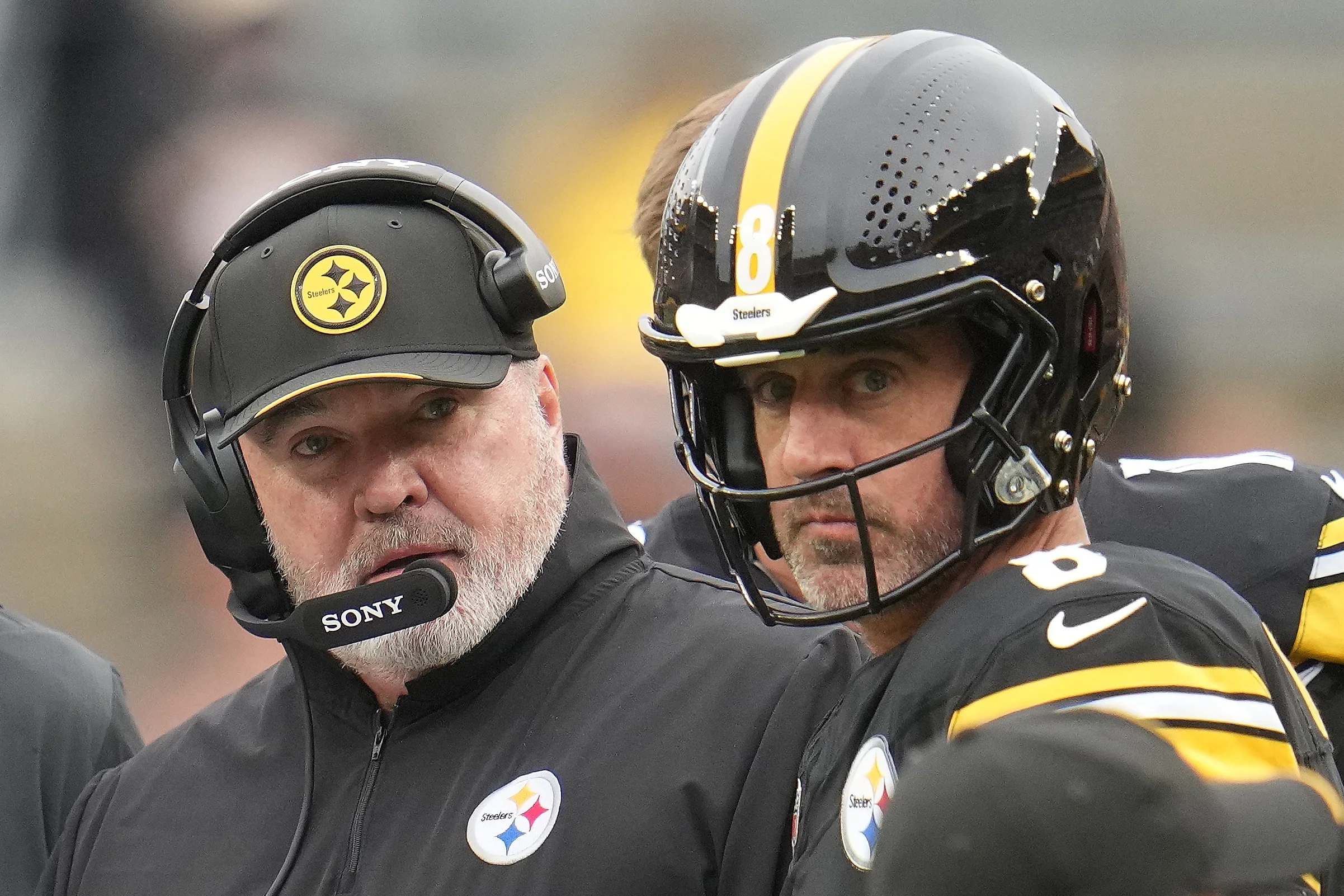
Pittsburgh Steelers management confirmed Wednesday that Aaron Rodgers has been released from the roster, ending a brief and turbulent tenure that began with a high‑profile trade last season. The move follows Rodgers' incendiary remarks directed at head coach Mike McCarthy during a live broadcast on a regional sports network.
The decision was executed amid a frantic 18‑hour period that saw the organization first announce Rodgers would be benched in favor of second‑string Mason Rudolph, then reverse course to make the cut permanent. The roster shift occurs as the Steelers prepare to host the Denver Broncos on Friday night at Heinz Field, a game that now carries added intrigue given the sudden quarterback change.
Team spokesperson Jeff Ransom issued a statement emphasizing the franchise's commitment to “maintaining a professional environment” and noted that Rodgers' comments violated internal standards of conduct. Steelers owner Art Rooney II expressed disappointment but affirmed confidence in Rudolph's readiness to lead the offense. The NFL Players Association has been notified, and league officials indicated they will review the circumstances under the league’s personal‑conduct policy.
In-Depth Analysis & Key Details
Rodgers' arrival in Pittsburgh was heralded as a marquee acquisition intended to revitalize a franchise that has struggled to reach the playoffs in recent years. Historically, the Steelers have prized a stable quarterback pipeline, and the abrupt termination of a future Hall of Famer marks a stark departure from that tradition.
The incident highlights a broader tension within the NFL between star athletes wielding substantial media platforms and organizational hierarchies that demand adherence to team culture. Regulatory bodies, including the league’s Office of Discipline, have increasingly scrutinized public statements that could undermine coaching authority, setting precedents that may affect future contract clauses and disciplinary frameworks.
Industry analysts observe that the Steelers' swift action could serve as a cautionary tale for other clubs navigating high‑profile player acquisitions. The financial ramifications—both in terms of guaranteed salary payouts and potential loss of marketability—are being weighed against the perceived need to preserve locker‑room cohesion and coaching credibility.
"The Steelers chose to prioritize institutional integrity over a single superstar, a decision that reverberates across the league’s power dynamics."
Why This Matters & What Lies Ahead
For everyday fans, the quarterback switch reshapes expectations for the upcoming game and may alter ticket sales, broadcast ratings, and local merchandise revenue. More broadly, the episode underscores how player conduct on public platforms can directly impact team performance and brand perception.
Stakeholders should monitor the NFL’s forthcoming disciplinary hearing, slated for early next month, as well as any collective‑bargaining discussions that could introduce stricter guidelines on player‑coach interactions. The outcome may influence future contract negotiations, league‑wide conduct policies, and the strategic calculus of teams considering high‑profile veteran signings.
Source: Reported by NPR · Analyzed & Synthesized by DNB Newsroom