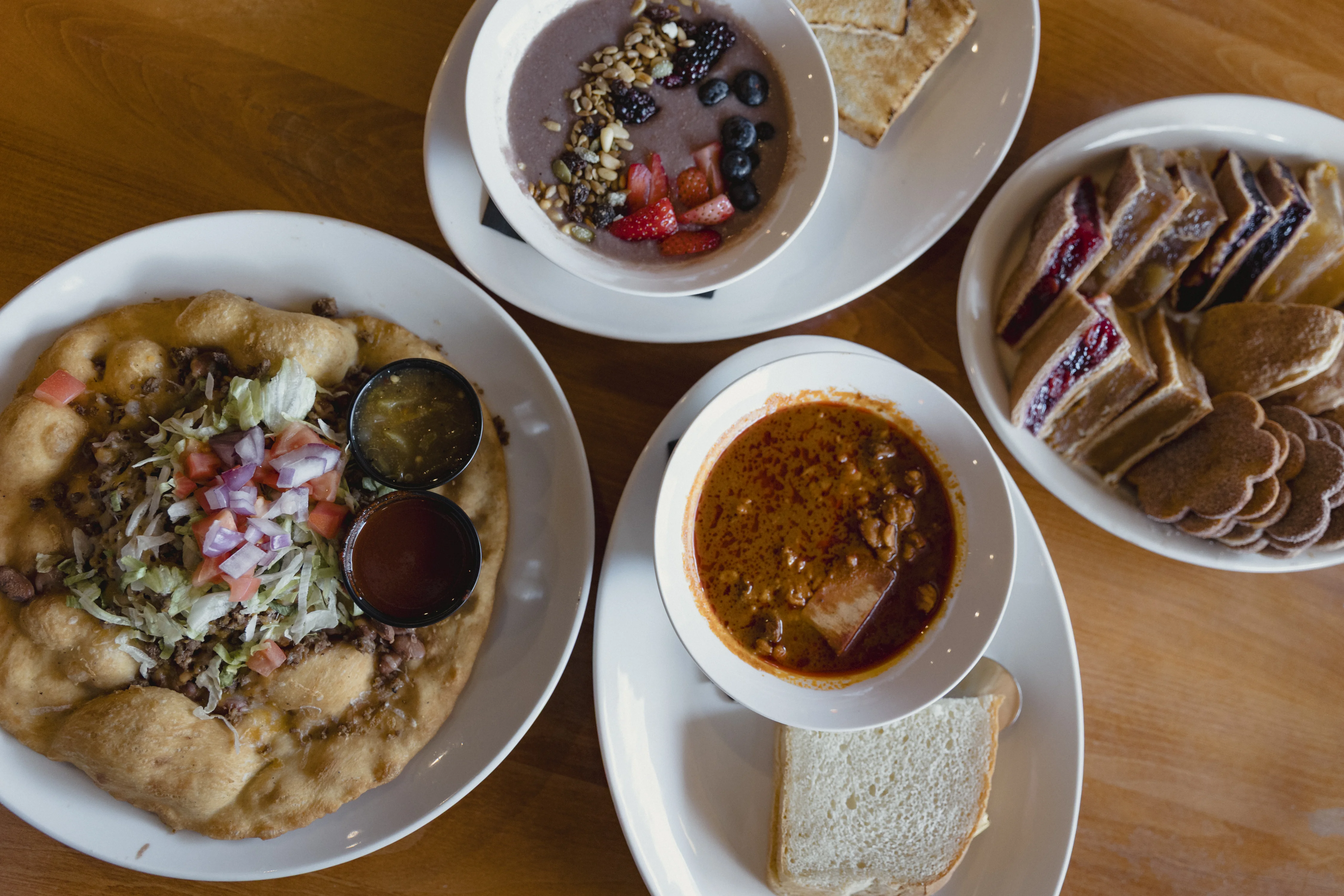
Indian Pueblo Kitchen opened its doors within the Albuquerque Museum earlier this year, quickly establishing itself as a culinary anchor that complements the institution's art and history displays. The eatery showcases recipes passed down through generations of Pueblo peoples, turning the museum visit into a multisensory immersion.
Located on the museum’s ground floor, the kitchen occupies a spacious, earth‑toned dining hall that mirrors traditional Pueblo architecture. Diners can sample a spicy green chile broth simmered with native herbs, as well as honey‑kissed biscochitos scented with anise and cinnamon, each plate presented with contextual storytelling panels.
Museum director Dr. Maria Gonzales praised the venture as “a living exhibit that feeds both mind and body,” while tribal representatives expressed enthusiasm for the platform that amplifies authentic voices and sustains culinary traditions.
In-Depth Analysis & Key Details
The emergence of a Pueblo‑focused restaurant inside a mainstream museum reflects a decades‑long effort by indigenous communities to reclaim narrative control over their cultural assets. Historically, Native cuisines were relegated to niche festivals, but recent policy shifts encouraging cultural preservation have opened doors for institutional collaborations.
Economic analysts note that the model aligns with a broader hospitality trend where museums monetize experiential offerings to offset shrinking public funding. Yet, some cultural critics caution that commercializing sacred foods risks diluting their significance, urging transparent profit‑sharing agreements with tribal partners.
Regulatory filings indicate the museum secured a joint‑venture agreement with the Pueblo Culinary Council, ensuring that ingredient sourcing remains within tribal lands and that a percentage of sales funds language revitalization programs.
"When food becomes a conduit for heritage, the museum transforms from a static gallery into a vibrant cultural hub."
Why This Matters & What Lies Ahead
For everyday visitors, the kitchen provides an accessible entry point to understand Pueblo traditions beyond visual artifacts, fostering cross‑cultural empathy and encouraging support for indigenous economies. The restaurant’s popularity also signals to policymakers that cultural tourism can be a viable economic driver in the Southwest.
Stakeholders will watch the upcoming state cultural affairs hearing in March, where legislators will debate funding incentives for similar museum‑restaurant partnerships. The outcome could shape how museums nationwide integrate authentic culinary experiences into their educational missions.
Source: Reported by NPR · Analyzed & Synthesized by DNB Newsroom