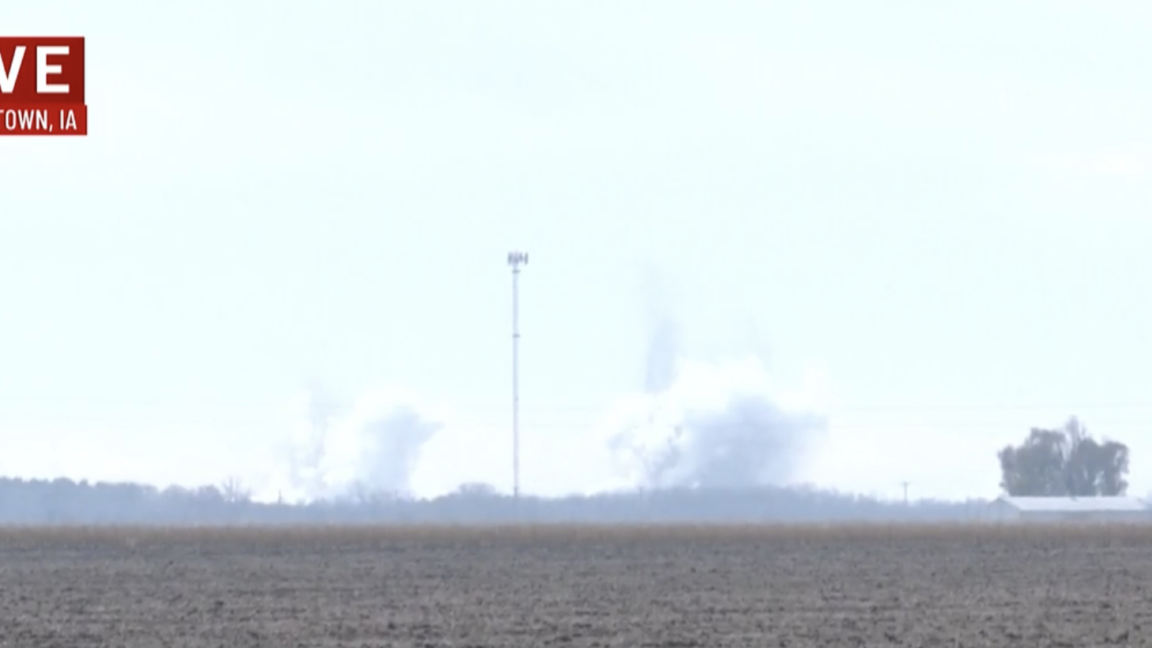
During an Ars Technica live webcast, security analysts outlined a growing consensus among defense planners that data‑center facilities may be singled out in future hostilities, citing their centrality to communications, finance and logistics.
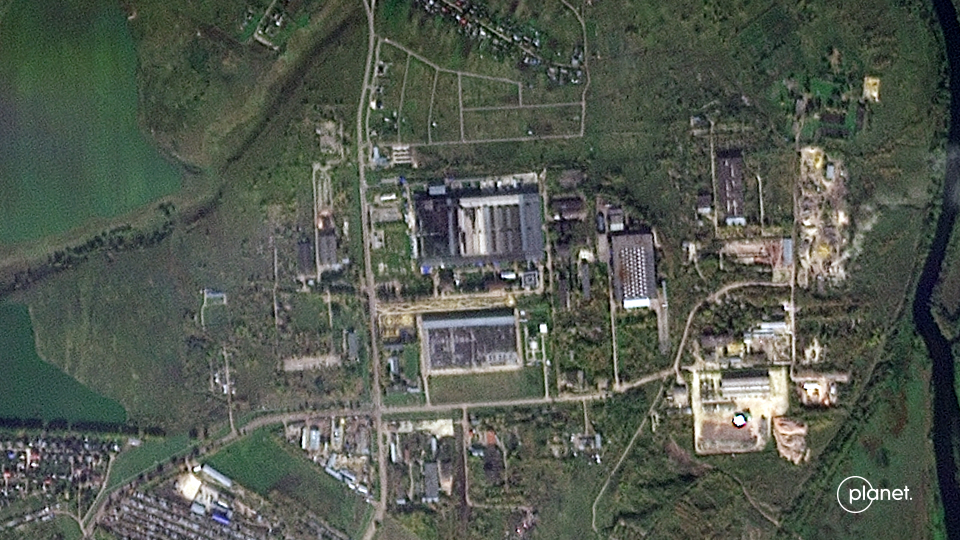
The discussion highlighted that many of the world’s largest server farms sit in regions with heightened geopolitical tension, making them vulnerable to both physical attacks and electromagnetic disruption. Satellite imagery shows a concentration of high‑capacity sites near coastal hubs and major transport corridors, amplifying the risk profile.
A Department of Defense spokesperson acknowledged that doctrine revisions are under review to incorporate digital‑infrastructure protection, while a senior security officer at a leading cloud services firm warned that existing redundancy measures may be insufficient against coordinated kinetic assaults.
In-Depth Analysis & Key Details
Historically, belligerents have targeted communication nodes—from telegraph lines in the 19th century to radar installations in World War II—recognizing that information flow is a force multiplier. The digital age extends that logic to the cloud, where compute power and data storage underpin modern militaries.
Regulators and alliance bodies such as NATO are now debating whether existing rules of armed conflict adequately cover cyber‑physical attacks on civilian data assets. Industry analysts observe that ambiguous legal definitions could either deter aggression or embolden actors who view digital infrastructure as a gray‑zone target.
Cybersecurity experts note that the technical challenge lies in the blend of physical destruction and data erasure: a missile strike can cripple power and cooling, while a simultaneous cyber intrusion can corrupt backups, making recovery exponentially harder.
"If data centers become the new strategic high‑ground, the line between civilian infrastructure and military target blurs, demanding a rethink of both defense doctrine and corporate resilience."
Why This Matters & What Lies Ahead
For everyday users, the prospect of data‑center disruption translates into potential outages of banking, healthcare and streaming services, eroding trust in cloud reliability and prompting businesses to reassess continuity plans. Financial markets are already pricing in heightened operational risk, with investors demanding transparency on infrastructure hardening from tech firms.
Legislators in several democracies are slated to convene hearings on critical‑infrastructure protection later this year, where defense officials and cloud providers will be called to outline mitigation strategies. The outcomes could shape new export‑control regimes, insurance underwriting standards, and international norms governing the conduct of war in the digital domain.
Source: Reported by Ars Technica · Analyzed & Synthesized by DNB Newsroom