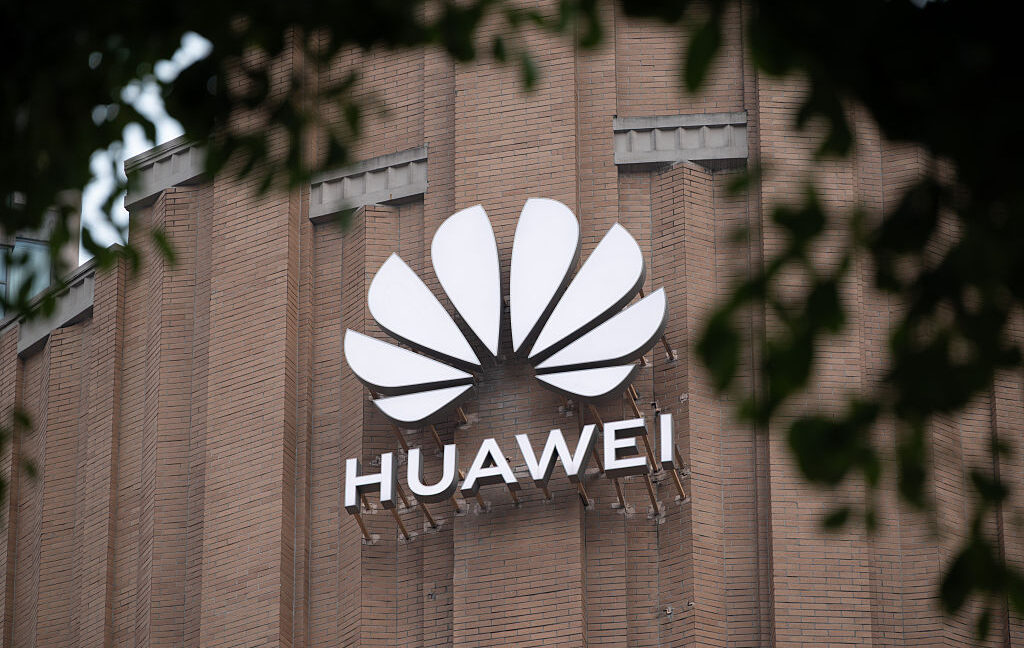
A federal jury in Washington, D.C., returned a verdict that Huawei Technologies Co., Ltd. had unlawfully appropriated U.S. trade secrets and had violated U.S. sanctions imposed on Iran. The case, which was heard in the U.S. District Court for the District of Columbia, culminated in a conviction that carries both criminal liability and the potential for significant civil penalties.
The proceedings focused on a series of alleged thefts that spanned several years, during which Huawei is alleged to have accessed proprietary information from U.S. companies engaged in advanced semiconductor design and telecommunications infrastructure. The jury also found that Huawei had knowingly circumvented sanctions that prohibit U.S. firms from providing certain technologies to Iranian entities, thereby breaching U.S. Treasury Department regulations.
In a statement released after the verdict, the Department of Justice emphasized that Huawei “did not try very hard to hide” the alleged thefts, underscoring the company’s apparent disregard for U.S. intellectual‑property laws. Huawei’s spokesperson declined to comment on the ruling, while industry analysts noted that the decision could prompt further scrutiny of the company’s global supply chain and its relationships with U.S. partners.
In-Depth Analysis & Key Details
The conviction is rooted in a broader historical context of U.S.-China tensions over technology dominance. Since 2018, the U.S. government has pursued a strategy of restricting Chinese access to advanced semiconductor technology, citing national‑security concerns. Huawei’s alleged thefts occurred against this backdrop, amplifying the perception that the firm was seeking to close the technological gap through illicit means.
Regulatory debates have intensified as policymakers weigh the balance between protecting intellectual property and fostering global innovation. Critics argue that aggressive enforcement could stifle competition and push manufacturers toward alternative suppliers, while supporters contend that safeguarding trade secrets is essential for maintaining technological leadership. Economically, the ruling may prompt U.S. companies to reassess their supply chains, potentially accelerating the shift toward domestic production of critical components.
From a technical standpoint, the case highlights the complexities of securing intellectual property in a highly interconnected industry. Analysts note that the alleged thefts involved sophisticated cyber‑exfiltration techniques and the exploitation of supply‑chain vulnerabilities. The outcome may spur the adoption of more stringent cybersecurity protocols across the technology sector, as firms seek to mitigate the risk of similar breaches.
"The verdict signals a decisive moment where the U.S. legal system is willing to confront a global tech giant for intellectual‑property violations and sanctions breaches."
Why This Matters & What Lies Ahead
For everyday consumers, the ruling could translate into higher costs and reduced availability of cutting‑edge technology if U.S. firms curtail collaboration with Huawei. On a global scale, the decision may accelerate the fragmentation of supply chains, prompting nations to seek alternative partners for critical components.
Looking ahead, industry watchers should monitor the potential civil lawsuit that the Department of Justice may file against Huawei, as well as forthcoming congressional hearings on U.S. export controls. The outcome of these proceedings could shape the regulatory environment for years to come, influencing how technology firms operate across borders.
Source: Reported by Ars Technica · Analyzed & Synthesized by DNB Newsroom