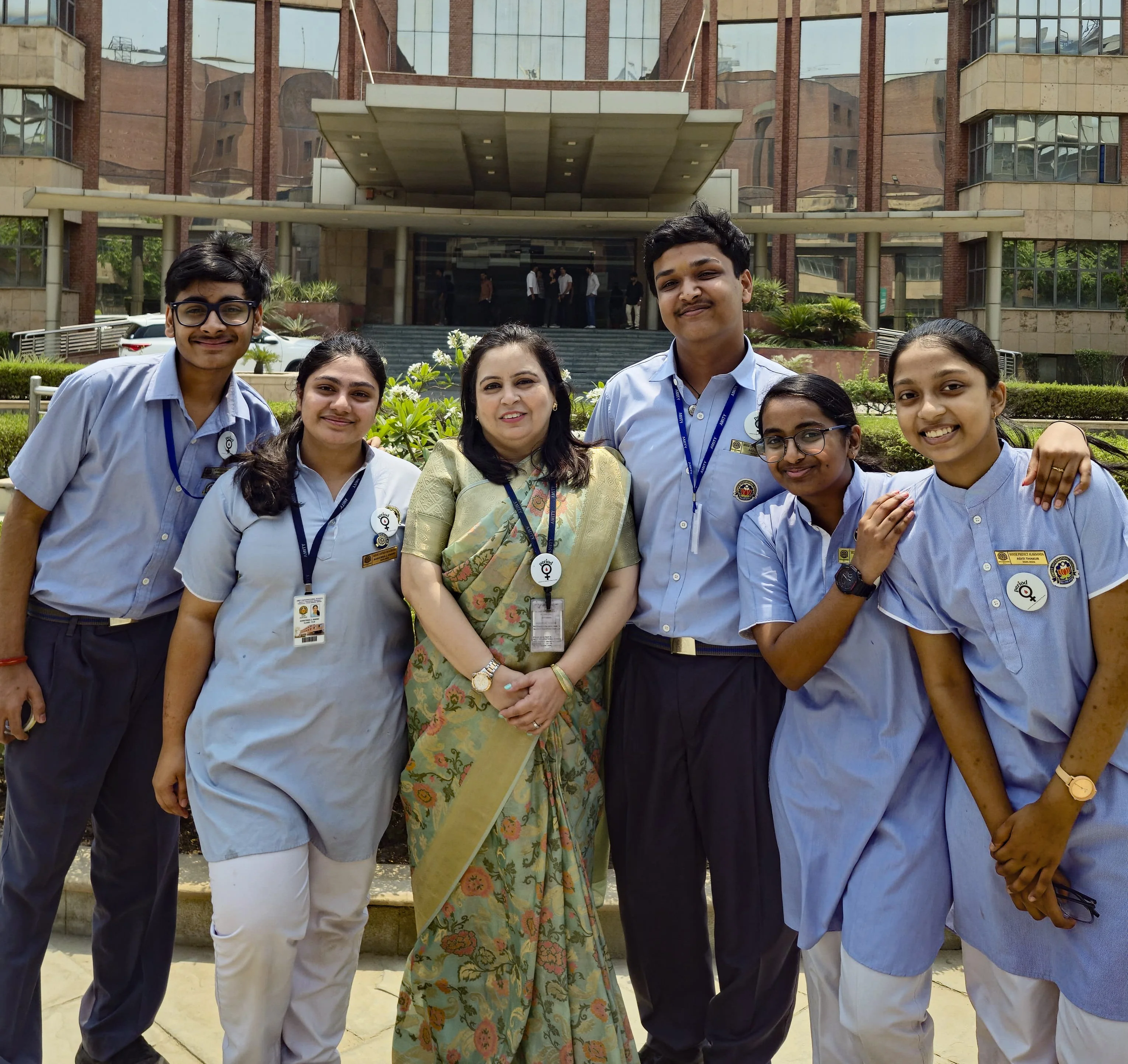
An 18‑year‑old Indian activist has been named a recipient of the prestigious Princess Diana Award after mobilising peers to discuss menstruation openly, a topic traditionally shrouded in stigma. Rohan Sharma, the founder of the non‑profit Team Period, was honored during a virtual ceremony hosted by the Diana Award charity, joining 197 other young leaders from 45 countries.
Team Period, launched in early 2022, operates out of Mumbai and collaborates with local schools, NGOs, and municipal bodies to distribute reusable sanitary products and conduct interactive sessions on menstrual health. By the end of 2023 the initiative reported reaching more than 12,000 adolescents in Maharashtra, Karnataka and Tamil Nadu, providing both tangible resources and a platform for candid conversation.
In his acceptance remarks, Sharma thanked the Diana Award for amplifying his mission and highlighted the endorsement of the Ministry of Health and Family Welfare, which has expressed interest in integrating Team Period’s curriculum into government‑run health education programs. Several corporate partners, including a major consumer goods manufacturer, pledged additional funding to expand the model to rural districts.
In-Depth Analysis & Key Details
Historically, menstrual hygiene in India has been hampered by cultural taboos, inadequate school infrastructure and limited access to affordable products, contributing to absenteeism among teenage girls. Recent policy shifts—such as the 2020 amendment mandating free sanitary napkins in public schools—have created a more receptive environment for grassroots interventions like Team Period.
The Princess Diana Award, founded in 1999 to celebrate young people effecting social change, has increasingly foregrounded health equity in its selection criteria. By awarding activists focused on reproductive health, the organization aligns with global movements pushing for Sustainable Development Goal 3 (good health and well‑being) and Goal 5 (gender equality). Critics argue that accolades alone may not translate into systemic reform, but the accompanying grant and media exposure often catalyse partnerships with governmental and private sectors.
Experts note that the scalability of Team Period hinges on its ability to navigate supply‑chain logistics for reusable pads and to embed its curriculum within existing school frameworks. Dr. Anita Rao, a public‑health scholar at the Indian Institute of Technology, observes that the program’s data‑driven approach—tracking attendance, health outcomes and product usage—offers a replicable template for other low‑resource settings seeking to close the menstrual equity gap.
"Recognition from the Princess Diana Award transforms a local awareness campaign into a catalyst for national policy dialogue on menstrual health."
Why This Matters & What Lies Ahead
For millions of Indian adolescents, the availability of reliable menstrual products and accurate information directly influences school attendance, academic performance and long‑term health. By legitimising Team Period through an internationally respected honor, the initiative gains leverage to influence public‑sector budgeting and to persuade private manufacturers to invest in sustainable, low‑cost sanitary solutions.
The coming months will test the partnership’s durability as the Ministry of Health prepares a pilot rollout of Team Period’s curriculum in ten additional districts, slated for early 2025. Simultaneously, the Diana Award’s annual summit will feature a panel on menstrual equity, offering a venue for policymakers, donors and activists to coordinate next‑step strategies, making the award’s timing pivotal for shaping forthcoming legislative and funding decisions.
Source: Reported by NPR · Analyzed & Synthesized by DNB Newsroom