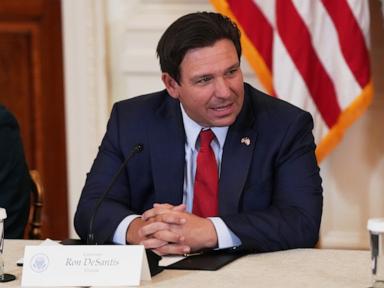
Florida Governor Ron DeSantis entered the national spotlight this week, appearing on multiple cable news programs to dissect the Republican Party's recent electoral disappointments, while quietly consulting with campaign strategists about a possible 2028 presidential bid. Sources close to the governor's inner circle say he has initiated a confidential assessment team to evaluate fundraising capacity, voter demographics, and logistical hurdles before making any public declaration.
The timing of the speculation aligns with the immediate aftermath of the 2026 midterm elections, where the GOP lost several pivotal Senate seats and failed to capture the House majority. DeSantis' media circuit, which included a primetime interview on a leading network, focused on lessons learned from the party's campaign missteps and highlighted his own record on education, immigration, and economic growth in Florida.
When asked about his future ambitions, DeSantis offered a measured response, emphasizing his commitment to serving Floridians while noting that any decision would be based on "the best interests of the American people and the Republican movement." Party officials and political donors reacted with cautious optimism, acknowledging the governor's rising profile but urging a data‑driven approach before any formal announcement.
In-Depth Analysis & Key Details
Historically, Florida has served as a bellwether for national presidential contests, and DeSantis' ascendancy mirrors the trajectory of previous governors who leveraged state successes into White House bids. The governor's current positioning reflects a broader intra‑party tension between the Trump‑aligned base and establishment figures seeking a post‑Trump identity for the GOP. By testing the waters now, DeSantis can gauge whether his brand of conservatism—marked by aggressive cultural legislation and a hard‑line stance on immigration—still resonates after the midterm losses.
Regulatory and fundraising landscapes have also shifted. Recent Federal Election Commission reforms have tightened reporting requirements for super‑PACs, compelling candidates to demonstrate early financial viability. DeSantis' private vetting includes scrutinizing contributions from corporate donors wary of the governor's confrontational approach toward tech companies and ESG mandates. Simultaneously, rival potential candidates are mobilizing their own donor networks, setting the stage for a competitive primary financing arena.
Experts from political science departments underscore that the governor's media push serves a dual purpose: rebranding the Republican narrative and establishing a national platform before any official filing. Dr. Elaine Martinez, a senior fellow at the Center for Electoral Studies, notes that "early media saturation can translate into measurable polling bumps, but it also invites intensified scrutiny from opposition research teams, which could amplify any policy missteps from his Florida tenure."
"DeSantis' tentative steps toward a 2028 run are less a declaration than a strategic audit of the GOP's post‑midterm health, and the outcome will likely dictate the party's ideological direction for the next decade."
Why This Matters & What Lies Ahead
For everyday voters, the governor's potential candidacy could reshape policy priorities at the national level, from immigration enforcement to education reform, echoing the legislative agenda he has pursued in Florida. Business leaders are watching closely, as DeSantis' stance on corporate regulation and his battles with major tech platforms could influence future federal regulatory frameworks, affecting everything from data privacy to antitrust enforcement.
Legislators and campaign committees will monitor the governor's next moves, with the Republican National Committee slated to convene a strategic planning session in early 2027 to assess primary contenders. Additionally, the Federal Election Commission is expected to release new guidance on coordinated expenditures later this year, a factor that could accelerate or delay DeSantis' formal entry. Stakeholders should keep an eye on upcoming donor summits in Miami and early‑state caucus meetings, which will serve as litmus tests for his viability as the GOP's standard‑bearer in 2028.
Source: Reported by ABC News · Analyzed & Synthesized by DNB Newsroom