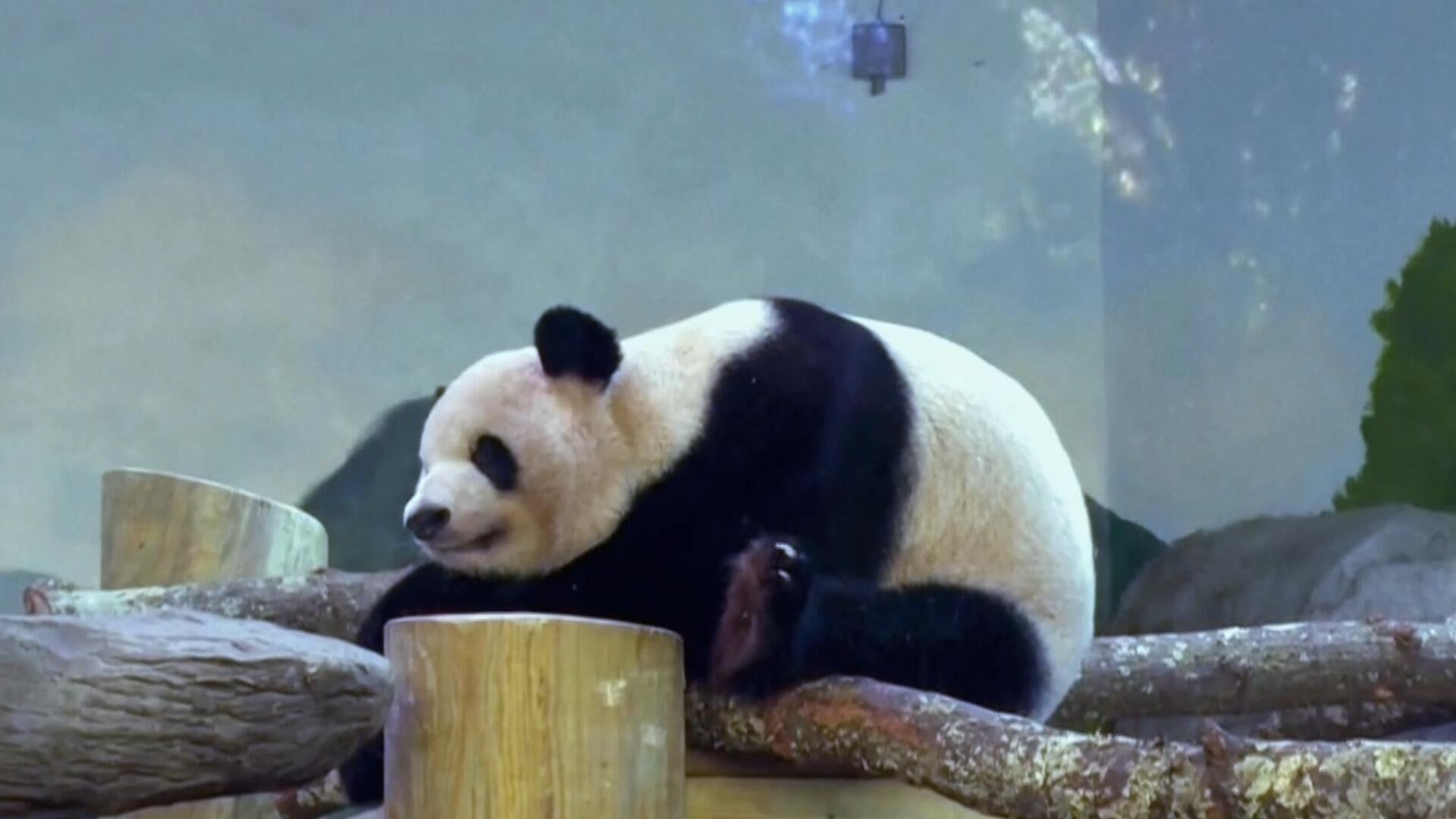
Zoo Atlanta’s main entrance buzzed with excitement Friday as the two giant pandas—male Fu Shuang and female Ping Ping—emerged from a specially designed holding area onto a bamboo‑rich habitat that had been under construction for two years. The animals arrived on a climate‑controlled cargo plane from Chengdu, China, and were escorted by a team of veterinarians and Chinese wildlife officials who oversaw the final health checks before the public unveiling.
The debut took place in the zoo’s newly renovated Giant Panda Conservation Center, a 4,500‑square‑foot enclosure that mimics the mist‑laden bamboo forests of Sichuan Province. Visitors were guided through a pre‑show briefing that highlighted the pandas’ dietary needs—up to 30 kg of bamboo daily—and the rigorous quarantine protocols that preceded the release. The event was livestreamed on the zoo’s website, attracting over 300,000 online viewers worldwide.
Zoo President Dr. Jeff Geller addressed the crowd, emphasizing the partnership’s scientific objectives: “These pandas are ambassadors for a species on the brink, and our collaboration with China advances critical research on breeding, genetics, and disease prevention.” Chinese ambassadorial representative Li Wei echoed the sentiment, noting that the loan reflects “mutual commitment to global biodiversity and cultural exchange.”
In-Depth Analysis & Key Details
The arrival of Ping Ping and Fu Shuang continues a decades‑long tradition of ‘panda diplomacy,’ a soft‑power strategy first employed by China in the 1970s to foster goodwill with the United States. Historically, loan agreements have bundled substantial financial contributions to Chinese conservation programs, with each panda costing the host institution up to $1 million per year for habitat maintenance, veterinary care and research collaboration. This latest deal, signed in early 2024, also incorporates a data‑sharing clause that grants U.S. scientists access to genetic samples, facilitating joint studies on reproductive technologies that could benefit other endangered megafauna.
Regulatory scrutiny has intensified as U.S. wildlife agencies evaluate the biosecurity implications of importing species susceptible to zoonotic diseases. The U.S. Fish and Wildlife Service required a comprehensive risk assessment, which concluded that the pandas posed minimal threat due to stringent quarantine measures and the animals’ herbivorous diet. Economically, the pandas are projected to generate $15 million in incremental revenue for Zoo Atlanta over the first three years, a figure that includes ticket surcharges, merchandise sales and increased philanthropic donations earmarked for conservation.
Experts such as Dr. Mei Lin, a senior researcher at the Chengdu Base, argue that the true value lies beyond economics. “Each successful birth in captivity adds a genetic line that can be re‑introduced into dwindling wild populations,” she said, noting that the last successful panda cub born in the U.S. occurred in 2015. The Atlanta pair, being of breeding age, are expected to attempt conception within the next 12‑18 months, a milestone that could reshape global breeding strategies and bolster the species’ recovery plan.
"These pandas are living symbols of a fragile ecosystem and a diplomatic bridge—our success in breeding them will echo far beyond the zoo walls."
Why This Matters & What Lies Ahead
For Atlantans, the pandas represent more than a new attraction; they are a catalyst for community engagement in wildlife stewardship. Schools have already incorporated panda‑focused curricula, and local businesses are launching panda‑themed promotions that funnel a portion of proceeds into habitat‑restoration projects across the Appalachian region. The heightened public interest also pressures policymakers to allocate federal and state funds toward protecting remaining bamboo forests, a critical food source for wild pandas.
Looking ahead, the next 24 months will be pivotal. Zoo Atlanta’s breeding committee will monitor the pandas’ reproductive cycles closely, while a joint U.S.–China scientific panel is slated to convene in early 2027 to assess the outcomes of the loan program and consider expanding the partnership to include additional species. Legislative watchers will also be tracking a pending amendment to the Endangered Species Act that could streamline funding for international conservation loans, a measure that could be decisive for future panda exchanges and broader biodiversity initiatives.
Source: Reported by CBS News · Analyzed & Synthesized by DNB Newsroom