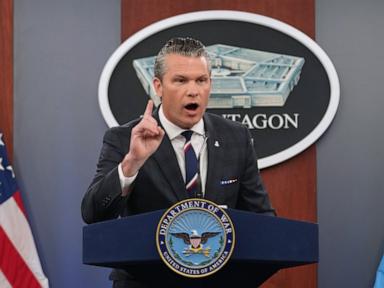
The U.S. House of Representatives witnessed a rare and volatile procedural event on Monday afternoon when Republican Representative Thomas Massie took the floor to introduce formal articles of impeachment against Secretary of Defense Pete Hegseth. This action represents a significant deviation from standard party loyalty, as Massie, a prominent figure within the Republican caucus, sought to utilize the constitutional mechanism of impeachment to address perceived misconduct or incompetence within the highest ranks of the Department of Defense. The introduction of these articles immediately shifted the tone of the legislative session, transforming a routine day of business into a stage for high-stakes political confrontation.
The geographical and operational context of this move is significant, as it occurs during a period of heightened global security concerns and ongoing resource allocation debates for the U.S. military. By bringing this issue to the floor, Massie forced a public reckoning with the Secretary’s tenure, bypassing committee-level deliberations that typically allow for quieter, less public vetting of executive branch officials. The timing suggests a strategic calculation to maximize media attention and pressure the administration to address specific grievances regarding defense policy or personnel management.
In response to the floor introduction, Secretary Hegseth issued a sharp rebuttal, dismissing the impeachment effort as a 'political spectacle.' This characterization is designed to delegitimize the procedural step by framing it as an act of partisan theater rather than a serious constitutional inquiry. Hegseth’s remarks were widely circulated through official channels, aiming to unify the broader Republican base against what the administration perceives as an internal betrayal. The immediate reaction from other lawmakers has been mixed, with some allies expressing shock at the intra-party attack while others remain silent, weighing the political risks of taking a public stance.
In-Depth Analysis & Key Details
The introduction of impeachment articles by a member of the President’s own party is historically uncommon and signals a structural fracture within the Republican coalition. Historically, impeachment has been a tool of the minority party, used to hold the executive branch accountable in the context of a change in power. However, the current dynamic reflects a more fragmented political landscape where ideological purity and specific policy disagreements can override traditional party discipline. This event underscores the increasing volatility of congressional politics, where individual members feel empowered to challenge executive authority even when it aligns with their party’s broader agenda.
From a regulatory and institutional perspective, the Department of Defense operates under a complex web of oversight mechanisms, including the Office of the Inspector General and congressional committees. The move to impeachment bypasses these standard oversight channels, suggesting that the accusers believe traditional mechanisms have failed or are insufficient. This raises questions about the effectiveness of internal accountability structures within the DoD and whether the current leadership has alienated key legislative stakeholders who are essential for securing defense budgets and policy support.
Industry analysts and political observers note that such intra-party conflicts can have tangible effects on defense contracting and military readiness. Uncertainty at the top of the DoD can lead to delays in decision-making, particularly regarding large-scale procurement projects and strategic deployments. The perception of instability may also affect the morale of military personnel, who are expected to remain apolitical but are inevitably impacted by the political environment surrounding their leadership. This tension highlights the delicate balance between political accountability and the operational stability required for national security.
"The dismissal of a constitutional remedy as a 'political spectacle' reveals a fundamental disconnect between the executive branch’s view of its authority and the legislative branch’s duty to oversee it."
Why This Matters & What Lies Ahead
For everyday citizens, this political confrontation has direct implications for the stability and effectiveness of the U.S. military, which is responsible for national security and disaster response. Delays or disruptions in DoD leadership can affect the pace of military modernization, the welfare of service members, and the government’s ability to respond to emerging threats. Furthermore, the public’s trust in democratic institutions may be eroded if impeachment proceedings are perceived as mere political theater rather than a serious check on executive power. This event also has financial market implications, as uncertainty in defense policy can affect the stock prices of major defense contractors, which are key players in the U.S. industrial base.
Upcoming milestones to monitor include the formal vote on whether to refer the articles of impeachment to a committee for investigation, a step that would formalize the process and potentially lead to a public hearing. Lawmakers are also expected to convene special sessions to discuss the broader implications for defense funding bills, which are currently pending in Congress. Additionally, the White House and the Department of Justice may issue further statements or take legal actions to defend the Secretary’s authority, potentially leading to a broader legal and political battle that could extend into the next election cycle.
Source: Reported by ABC News · Analyzed & Synthesized by DNB Newsroom