The U.S. Labor Department’s Bureau of Labor Statistics released its October consumer price index on Thursday, revealing that overall prices climbed 0.4% from the previous month, a pace notably faster than the consensus outlook of a modest 0.2% gain. The data point arrives as the Federal Reserve’s policy committee prepares for its next meeting, where officials will weigh whether to adjust the benchmark interest rate in response to lingering price pressures.
The report covers a broad basket of goods and services, from housing and transportation to medical care and recreation, reflecting nationwide spending patterns. While energy prices moderated, shelter costs surged, contributing significantly to the headline figure. Geographically, the inflationary spike was most pronounced in the South and Midwest, where rent and utilities posted the steepest increases.
Federal Reserve Chair Jerome Powell, speaking at a press briefing earlier in the day, emphasized that the central bank remains “vigilant” and will “continue to assess incoming data” before making any policy moves. Consumer advocacy groups, meanwhile, warned that rising living costs could erode real wages, especially for lower‑income families still recovering from pandemic‑related setbacks.
In-Depth Analysis & Key Details
Historically, the United States has experienced periods of elevated inflation during post‑war expansions and oil shocks, but the current environment is distinct because it follows a pandemic‑induced surge in demand coupled with supply‑chain disruptions. The October CPI reflects a confluence of factors: lingering bottlenecks in construction, a tight labor market driving up wages, and a gradual normalization of consumer spending as stimulus measures wane.
Regulators and policymakers are divided on the appropriate response. Some members of the Federal Open Market Committee argue that a modest rate hike could anchor expectations and prevent a wage‑price spiral, while others caution that overtightening might stifle the still‑fragile economic recovery. Meanwhile, Treasury officials point to fiscal measures, such as targeted tax credits, as complementary tools to cushion households from price shocks.
Industry analysts observe that sectors most sensitive to inflation—housing, transportation, and food—are likely to see continued volatility. Real‑estate firms report that landlords are passing higher financing costs onto tenants, while automotive manufacturers contend with rising raw‑material prices that could delay the rollout of new models. These dynamics underscore the intricate feedback loop between price data and corporate pricing strategies.
"Persistently high consumer prices force policymakers into a delicate balancing act between curbing inflation and sustaining growth."
Why This Matters & What Lies Ahead
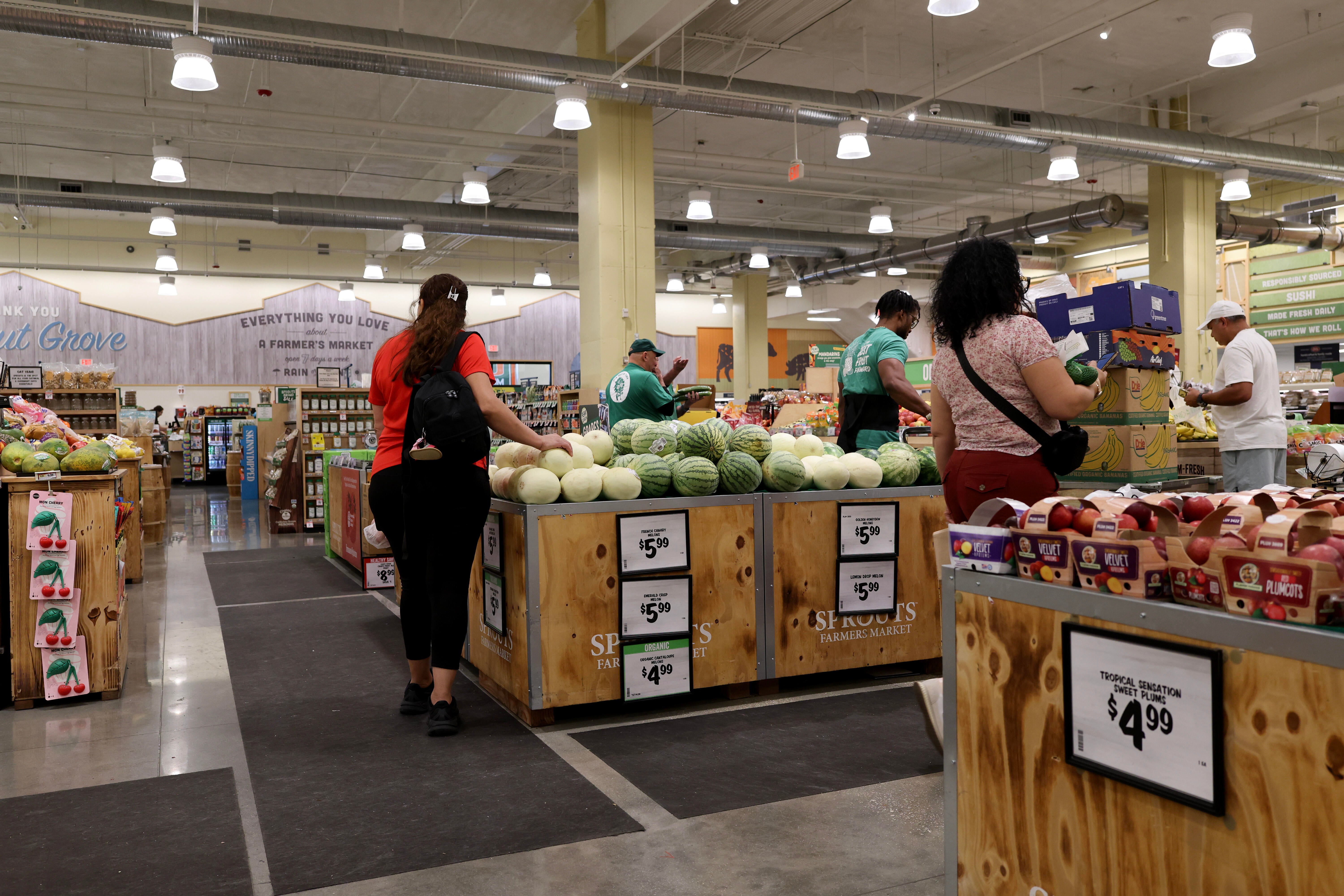
For everyday Americans, the October CPI surge translates into higher grocery bills, steeper rent checks, and increased costs for gasoline and healthcare—expenses that disproportionately affect low‑ and middle‑income households. As purchasing power erodes, consumer confidence may dip, potentially slowing retail sales and dampening broader economic momentum.
Looking ahead, the Federal Reserve’s next policy meeting, scheduled for early December, will be closely watched by investors and lawmakers alike. Congressional committees are poised to hold hearings on inflation‑related legislation, including proposals for expanded tax relief and adjustments to the Social Security cost‑of‑living formula. Market participants will also monitor Treasury yields and corporate earnings reports for signs of how businesses are navigating the price environment.
Source: Reported by CBS News · Analyzed & Synthesized by DNB Newsroom